Determining the best Call of Duty campaign sparks endless debate, yet one entry consistently rises above the rest. At the top of cod campaigns ranked lists sits Call of Duty 4: Modern Warfare, widely cited when players ask “which Call of Duty has the best campaign?”. Its Campaign mode redefined single-player shooters through grounded storytelling, unforgettable set pieces, and mechanical confidence.
Central to that legacy is Captain Price, an iconic character whose restrained leadership anchors a global conflict that feels frighteningly plausible. The defining moment arrives in “Shock and Awe,” where a sudden nuclear detonation shatters player expectations and permanently raises the emotional stakes of the series.
Beyond shock value, Modern Warfare excels through mission variety that never feels gimmicky. Tense sniper stealth in “All Ghillied Up,” claustrophobic house-to-house clearing, and overwhelming aerial gunship support demonstrate pacing mastery and design range. This balance is why critics, including IGN, routinely rank it first when evaluating the best Call of Duty campaign.
For this complete ranking and analysis, campaigns are judged on three pillars: storytelling impact, mission variety, and innovation. Using those criteria, Modern Warfare stands as the benchmark single-player campaigns every subsequent Call of Duty has chased for years afterward globally.
What Makes a Great Call of Duty Campaign?
What makes a great Call of Duty campaign starts with understanding why the Campaign experience resonates beyond gunplay. At its core, the Campaign mode succeeds when it delivers story-driven campaigns that feel cinematic yet playable, blending authored moments with player agency. Narrative quality varies by approach: some titles favor psychological tension and moral ambiguity, while others lean into historical spectacle or modern geopolitical drama.
Gameplay breadth is equally decisive. Strong mission variety keeps pacing fresh by alternating stealth infiltration, vehicle combat, aerial support, and close-quarters firefights. The classic “All Ghillied Up” remains a template because it combines patience, vulnerability, and atmosphere into a single unforgettable scenario, proving that restraint can be as powerful as chaos.
Another defining marker is memorable storytelling. Campaigns endure when individual missions leave clear emotional or mechanical impressions rather than blending together. Technical choices matter here; the introduction of regenerating health shifted encounters toward momentum and accessibility, allowing designers to script more daring situations without constant interruption.
Character development separates good campaigns from great ones. Players invest when protagonists and supporting figures evolve, react, and carry consequences forward across missions. Finally, controlled player choice, branching paths, optional objectives, or tactical freedom, enhances immersion without undermining narrative intent.
Developer philosophy shapes these outcomes. Infinity Ward prioritizes grounded realism and pacing, while Treyarch consistently emphasizes psychological themes and experimentation overall.
#1 - Call of Duty 4: Modern Warfare (2007)
Released in 2007, Call of Duty 4: Modern Warfare represents the high-water mark of the franchise and remains the best cod campaign by any critical measure. Developed by Infinity Ward, it abandoned World War II familiarity for contemporary conflict, instantly feeling grounded, urgent, and believable. This shift was groundbreaking because it trusted players with moral weight rather than spectacle alone, delivering a cinematic tone without sacrificing control.
The campaign introduces Captain Price, whose leadership later shapes the Modern Warfare trilogy through Task Force 141. Price is not heroic bombast; he is calm, ruthless, and pragmatic, grounding the narrative as global tensions escalate. Missions are structured to reinforce perspective, swapping between SAS operatives, U.S. Marines, and even an AC-130 gunner, creating empathy through contrast rather than exposition.
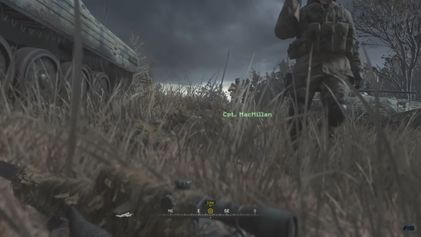
All Ghillied Up stands as the definitive stealth mission template. Set in Pripyat, it teaches patience, camouflage, and restraint, proving that tension can replace constant gunfire. The slow crawl through irradiated grass contrasts sharply with explosive set pieces, strengthening pacing and memory.
That contrast peaks in “Shock and Awe,” where a sudden nuclear detonation kills the player outright. At the time, this was unprecedented: failure was not mechanical but narrative, permanently altering expectations of safety and victory. Few shooters had dared to remove player agency so decisively.
Elsewhere, tight controls balance Hollywood spectacle with tactical clarity. The cargo ship assault, the television station rescue, and the desperate Pripyat escape each feel distinct while serving the same thematic arc. It is this cohesion that earns consistent IGN rankings at number one, securing Modern Warfare’s legacy as the benchmark every Call of Duty campaign still chases.
Its influence reshaped level design, pacing, and tone across the genre, inspiring imitators and sequels alike. By merging realism with accessibility, the campaign proved blockbuster shooters could be intelligent, emotionally resonant, and mechanically disciplined, a standard that competitors continue to measure themselves against nearly two decades later in modern interactive entertainment today.
Why COD4's Campaign Still Holds Up
Time has been kind to Call of Duty 4’s campaign because its fundamentals remain disciplined. Mission pacing moves confidently from stealth in “All Ghillied Up” to open assault in “Safehouse,” then escalates through sniper support and sustained gunfights in “Heat.”
That spectrum prevents fatigue and sustains an explosive experience without relying on excess mechanics. Perspective-swapping between Soap MacTavish and Paul Jackson further refreshes momentum, ensuring memorable storytelling through contrast rather than length.
Its longevity is also mechanical. Tight controls keep encounters readable and responsive, allowing spectacle to serve gameplay instead of overpowering it. The 2019 Modern Warfare validated this structure, effectively extending the reboot trilogy by reaffirming the original template.
At roughly six hours, COD4 respects player time, avoiding the bloat common in modern shooters. For newcomers asking where to begin, it remains the most complete, focused introduction the series offers today for curious players worldwide across multiple generations still.
#2 - Call of Duty: Modern Warfare 2 (2009)
Serving as a bold escalation of its predecessor, Call of Duty: Modern Warfare 2 expanded the formula that defined the franchise’s rise and secured its place among the best Call of Duty campaigns. Infinity Ward amplified scale, stakes, and spectacle while preserving the pacing discipline that made the original so effective. The result is a sequel that feels louder and more global, yet still character-driven.
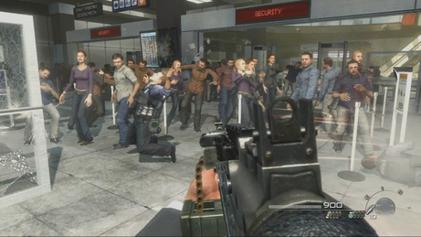
The campaign’s reputation rests heavily on No Russian, a mission that demonstrated unprecedented narrative ambition for a mainstream shooter. Its controversy was not shock for shock’s sake; it reframed player expectations and cemented the game’s willingness to provoke discomfort. For many, it answers the question of which cod campaign has the biggest twist, but the story’s most devastating turn arrives later.
That moment is the betrayal by General Shepherd, whose actions lead to the deaths of Ghost and Roach. This sequence transforms loss into motivation, delivering shocking story twists through character consequence rather than abstract stakes. It also strengthens the emotional bond within Task Force 141, now fully formed with Ghost’s iconic presence.
Mission variety pushes boundaries across snowmobile escapes, suburban firefights, a Brazilian favela chase, zero-gravity combat in space, and a full-scale U.S. capital invasion. This breadth keeps momentum relentless while reinforcing the threat posed by Vladimir Makarov, whose manipulation fuels a three-game narrative arc. By amplifying scope without losing focus, Modern Warfare 2 proves escalation can coexist with cohesion, making it a defining sequel in campaign design history.
#3 - Call of Duty: Black Ops (2010)

With Call of Duty: Black Ops, Treyarch diverged sharply from Infinity Ward’s grounded realism, delivering a campaign defined by psychological tension and narrative experimentation. The Black Ops storyline unfolds through fragmented memories and interrogation scenes, placing players inside the fractured mind of Alex Mason.
Rather than presenting events linearly, the game forces players to question what is real, establishing a true mind-bending narrative rarely seen in shooters at the time.
At the center of this approach is Viktor Reznov, whose presence links World at War to Black Ops with ideological continuity. Voiced by Gary Oldman, Reznov functions as mentor, motivator, and manipulator, guiding Mason through acts of revenge rooted in Cold War paranoia.
This relationship reframes the campaign as psychological warfare, where memory itself becomes a weapon. The eventual revelation that Reznov died years earlier during the Vorkuta uprising recontextualizes the entire experience, transforming perceived heroism into trauma-driven hallucination.
Mission variety reinforces this instability. Players move from the Bay of Pigs invasion to dense Vietnam jungles, a brutal Vorkuta prison escape, covert Arctic base assaults, and clandestine Cold War operations. Interrogation-room flashbacks act as an early precursor to branching narrative design, allowing selective mission recall to shape pacing and tension rather than outcome.
For players asking which Call of Duty game has the best story, Black Ops stands apart by prioritizing theme and psychology over spectacle alone. Its ambition lies not in scale, but in trusting players to piece together truth from manipulation. That creative risk secured its legacy as the franchise’s most narratively daring campaign, one that lingers long after the final reveal fades.
#4 - Call of Duty: Black Ops 6 (2024)
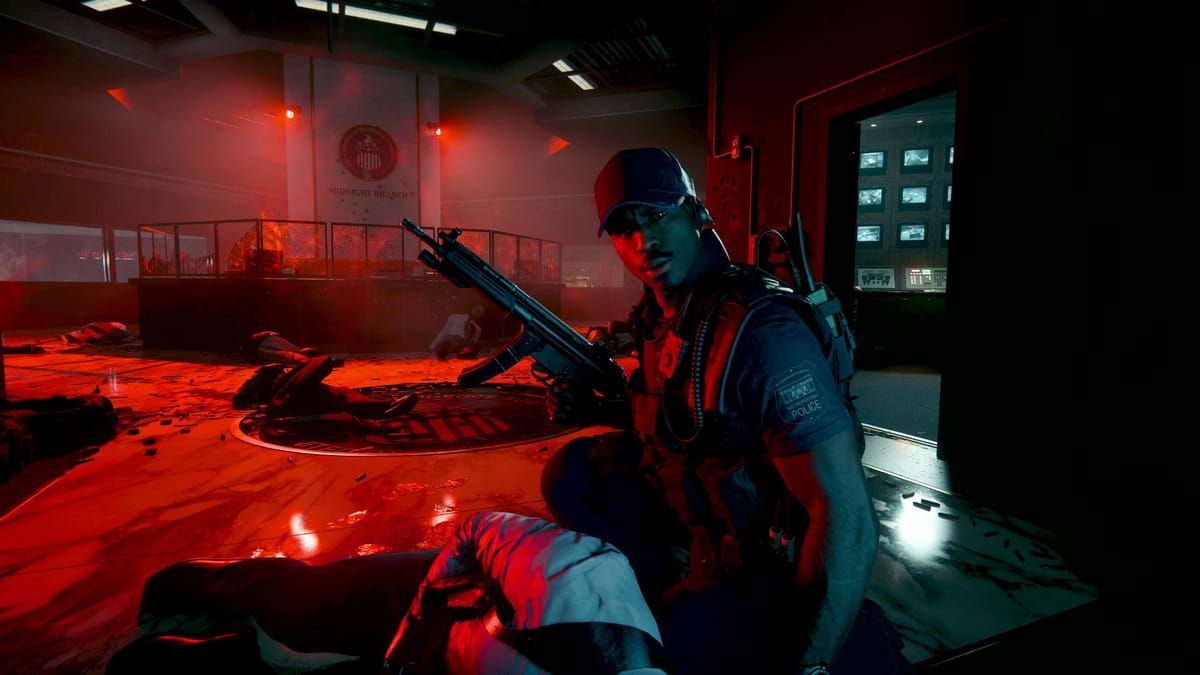
Positioned as the franchise’s most forward-looking campaign, Call of Duty: Black Ops 6 demonstrates how far Call of Duty storytelling has evolved. Built through a close collaboration between Raven Software and Treyarch, the game embraces an experimental structure that prioritizes agency over rigid scripting. Rather than constant forward momentum, the campaign introduces moments of pause, investigation, and consequence.
Several missions highlight this shift. Capitol Station emphasizes social stealth, asking players to blend in, observe routines, and manipulate outcomes without immediate gunfire. A central safehouse functions as an explorable hub, anchoring open-world sections that allow preparation, intel gathering, and optional objectives before deployment. Most encounters support multiple solutions: stealth, deception, or force, creating a more flexible experience than previous entries.
This design represents a mature evolution of ideas first explored in Black Ops Cold War. Horror-leaning sequences, environmental puzzles, and sandbox-style objectives deepen immersion without abandoning Call of Duty’s signature intensity. The campaign’s branching narrative reaches full realization through dialogue decisions and mission outcomes, making player choice a defining mechanic rather than a novelty.
Narratively, the return of Russell Adler provides continuity while grounding new themes of loyalty, secrecy, and moral compromise. His presence bridges past and present, reinforcing how experimentation can coexist with established characters.
When contrasted with the tightly linear structure of COD4, Black Ops 6 illustrates a 17-year design journey, from controlled cinematic rides to adaptable, player-shaped stories. While not as iconic, its ambition marks a clear step forward in campaign design.
#5 - Call of Duty: Infinite Warfare (2016)
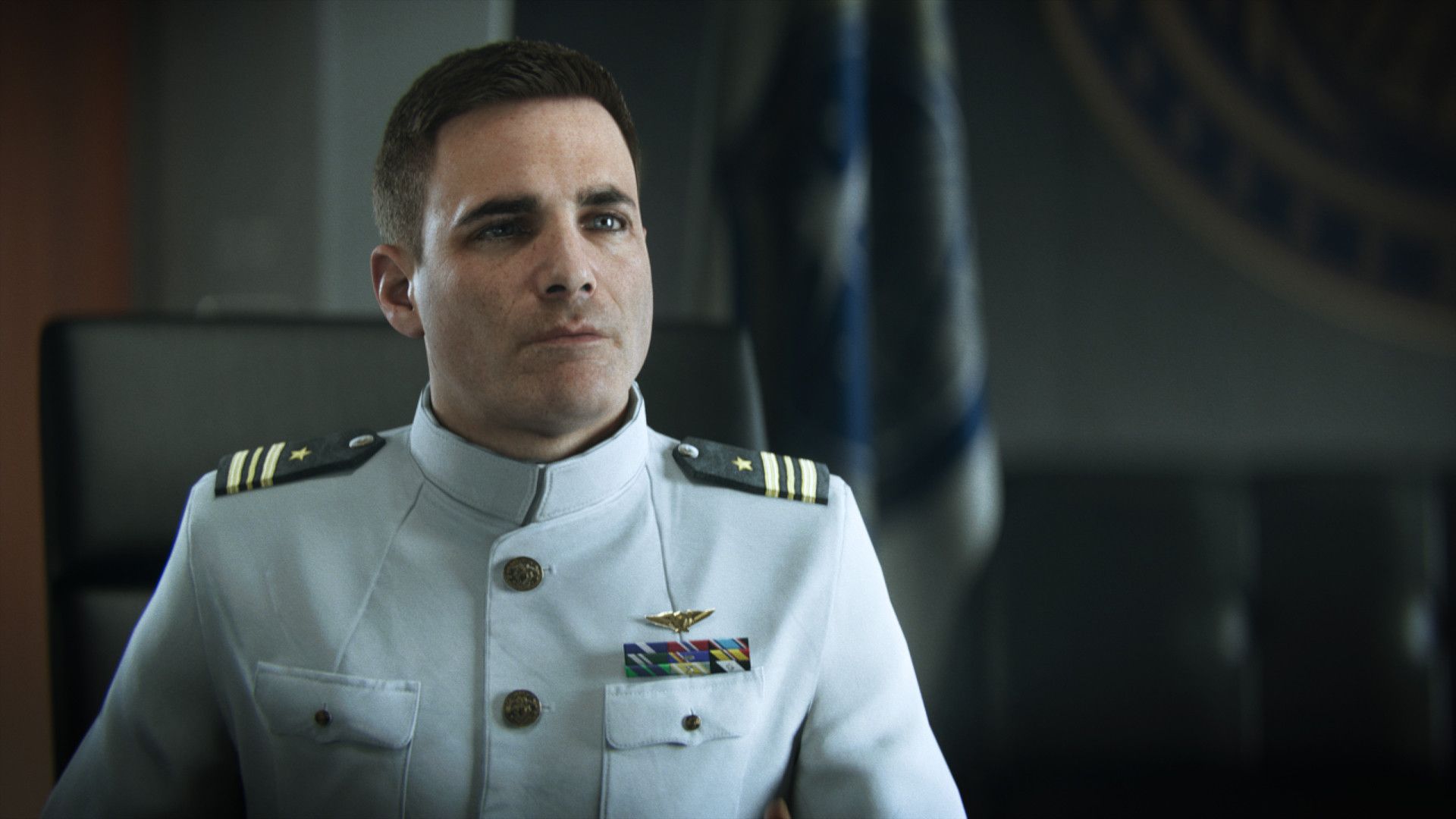
Often dismissed due to franchise fatigue, Call of Duty: Infinite Warfare delivers one of the series’ most ambitious single-player efforts. Its reputation suffers from multiplayer backlash, but judged on its own merits, the campaign stands out for innovation and restraint. The sci-fi setting enabled bold mechanics, most notably space dogfights and seamless transitions between ship interiors and the vacuum outside, that expanded what a Call of Duty mission could be.
Combat design leans into zero gravity with confidence. Zero-g ambushes during boarding actions demand spatial awareness, while Jackal fighter sequences add aerial tactics without overwhelming pacing. Planetary assaults, Europa infiltration, and asteroid-field engagements keep rhythm varied, reinforcing strong mission identity rather than spectacle overload.
Where the campaign truly excels is character development. Protagonist Nick Reyes embodies reluctant leadership, carrying the weight of command with quiet resolve. His bond with the ship’s AI, Ethan, evolves organically, lending emotional heft to decisions that cost lives and test loyalty. Loss is treated seriously, not as disposable drama, giving the narrative uncommon maturity for the genre.
Critics recognized this contrast. Rock Paper Shotgun highlighted the campaign’s focus and humanity, noting how its storytelling outpaced expectations. The polarized reception stemmed from timing rather than quality: players resistant to sci-fi overlooked how the setting empowered inventive gameplay. In retrospect, Infinite Warfare proves that risk-taking can elevate campaigns, even when audiences aren’t ready for it.
Rankings #6-10: Strong Campaigns Worth Playing
Beyond the top five, the next tier of cod campaigns still offers exceptional value, especially for players drawn to historical settings and evolving design philosophies within the first-person shooter genre.
#6 - Call of Duty: World at War (2008)
Treyarch’s World War II entry is widely regarded as the franchise’s darkest campaign. Set across the Eastern Front and Pacific Theater, it depicts war with unflinching brutality, dismemberment, flamethrower executions, and relentless Banzai charges. The introduction of Viktor Reznov, voiced by Gary Oldman, established a horror-infused tone that answered the question “Which COD game is the darkest?” decisively. It also launched Zombies mode, extending its legacy far beyond the campaign.
#7 - Call of Duty: Modern Warfare (2019)
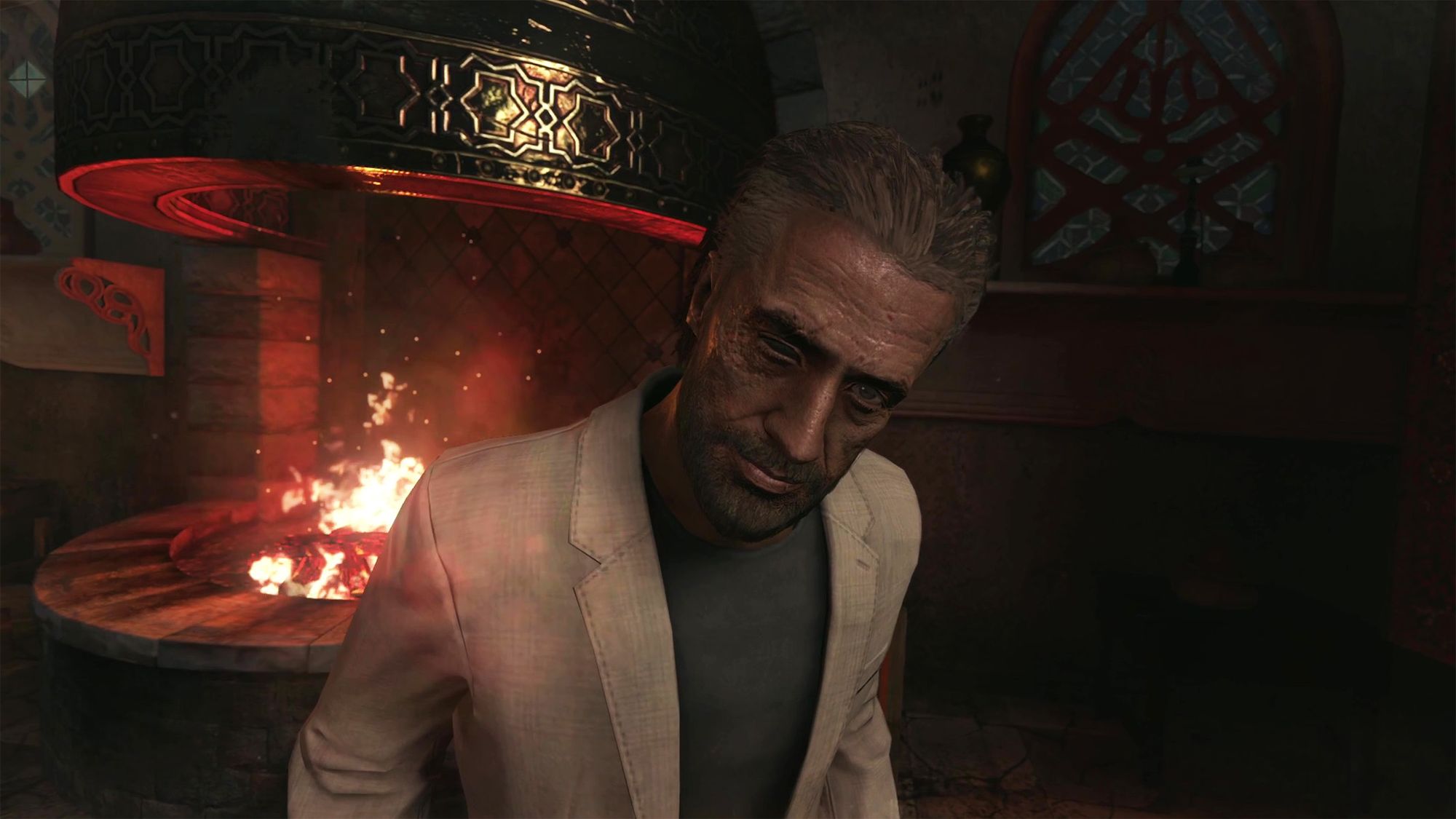
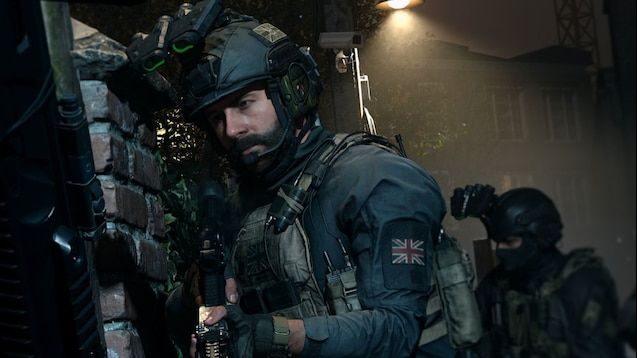
This reboot validated the original Modern Warfare template for a new era. A reimagined Captain Price leads a rebuilt Task Force 141, while missions like “Clean House” use night vision and close-quarters tension as a spiritual successor to “All Ghillied Up.” Farah Karim’s storyline adds moral complexity and a civilian perspective rarely explored so directly.
#8 - Call of Duty: Black Ops 2 (2012)
Often cited for innovation, Black Ops II introduced true branching narrative design. Dual timelines, 1980s Cold War and near-future warfare, intersect through player choice, producing multiple endings. Antagonist Raul Menendez anchors the story with a personal vendetta, setting a precedent for consequence-driven campaigns.
#9 - Call of Duty 2 (2005)
Before cinematic excess, Call of Duty 2 defined authenticity among World War 2 shooters. D-Day, Stalingrad, and North Africa emphasized scale and realism while introducing regenerating health, a system that reshaped shooter design permanently.
#10 - Call of Duty: Modern Warfare 3 (2013)
As the trilogy’s conclusion, MW3 delivers global spectacle and emotional closure for the Price-Makarov arc. While innovation slowed, its narrative payoff makes it a worthy finale and a solid entry to complete the journey.
Campaign Length and Difficulty Comparison
When comparing campaign length across the franchise, most Call of Duty titles fall into a consistent window. The average completion time for a mainline campaign sits between five and seven hours, designed to deliver concentrated spectacle rather than prolonged commitment. This balance has historically defined the series’ single-player appeal.
At the shorter end is Call of Duty: Modern Warfare III, whose campaign averages around four hours. Its reduced scope reflects a broader shift toward Warzone and live-service priorities rather than traditional narrative depth. By contrast, the longest experiences emerge from design outliers. Call of Duty: Black Ops III extends runtime through optional co-op play and replayable mission structures, while World at War feels longer due to punishing difficulty rather than raw length.
Difficulty is where campaigns diverge most sharply. In veteran mode, Call of Duty: World at War is widely considered the hardest campaign, infamous for relentless grenade spam and minimal recovery windows. At the opposite extreme, Advanced Warfare’s exosuit mobility softens the challenge, making it one of the more forgiving entries.
For players asking what the most difficult COD campaign is, World at War remains the definitive answer. Overall, single-player investment has tightened as multiplayer focus expanded, but challenge and pacing still meaningfully shape how long and how intense each campaign feels.
Campaigns to Avoid: The Bottom Tier
Not every entry in the franchise reaches the same standard, and several titles sit firmly in the bottom tier due to poor storytelling and inconsistent design. These campaigns aren’t unplayable, but they highlight exactly what separates great Call of Duty narratives from disappointing campaigns.
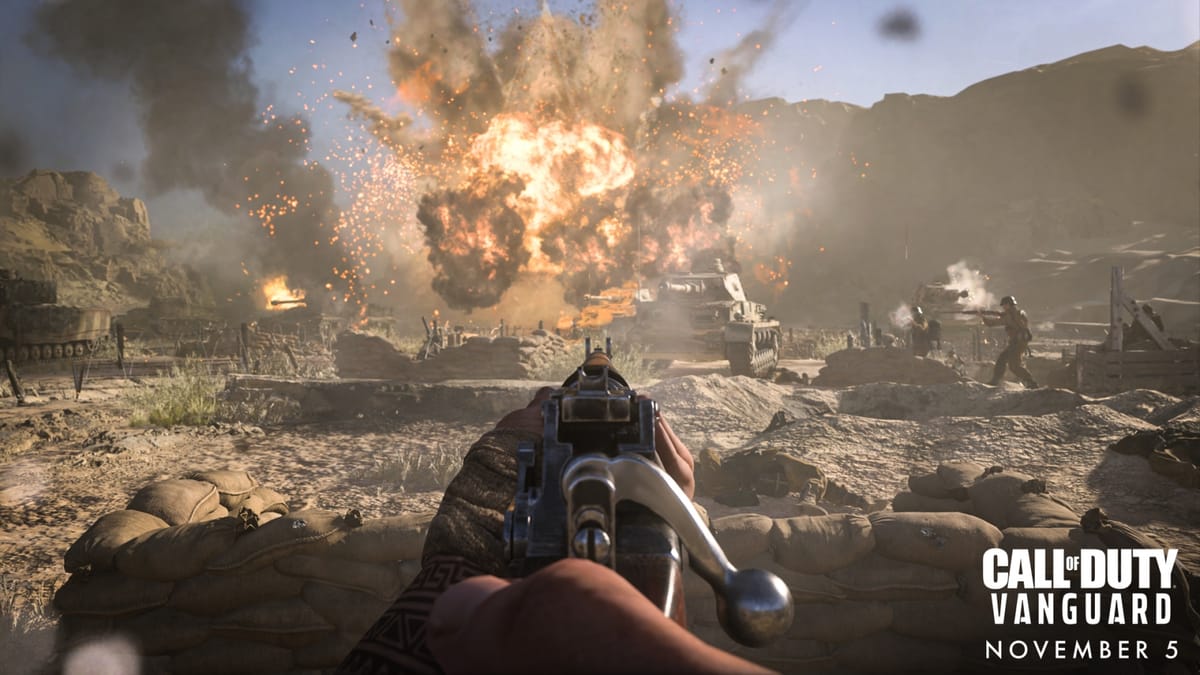
Call of Duty: Vanguard suffers from a fragmented structure. Its episodic flashbacks lack cohesion, resulting in a weak narrative with forgettable characters and minimal emotional payoff. The absence of a central arc undermines player investment from start to finish.
Call of Duty: Ghosts struggles with a generic post-apocalyptic premise. Despite ambitious worldbuilding, the protagonist lacks definition, and the story fails to create urgency or attachment, making major events feel hollow.
Call of Duty: Black Ops III represents a rare misstep for Treyarch. Its convoluted sci-fi plot overwhelms clarity, abandoning the studio’s trademark psychological focus for dense exposition and narrative incoherence that confuses more than it intrigues.
The most criticized entry is Call of Duty: Modern Warfare III, whose abbreviated campaign prioritizes Warzone integration over single-player depth. Missions feel rushed and underdeveloped.
Finally, Call of Duty: Advanced Warfare leans too heavily on quick-time events, limiting agency despite high-profile performances. Compared to top-tier campaigns, these entries fail where it matters most: character development, mission variety, and narrative focus.
How COD Campaigns Have Evolved
Call of Duty’s single-player arc reflects constant franchise evolution shaped by developer transitions and shifting player expectations. From 2003 to 2006, early entries like Call of Duty and Call of Duty 2 prioritized historical authenticity, scripted realism, and grounded pacing, establishing credibility for the series.
The modern era began in 2007 when Call of Duty 4: Modern Warfare reframed campaigns around contemporary conflict and cinematic delivery. Call of Duty: Modern Warfare 2 amplified spectacle and global scale, while Call of Duty: Modern Warfare 3 closed the arc with narrative resolution rather than innovation.
Between 2010 and 2015, Treyarch pushed narrative complexity. Call of Duty: Black Ops introduced unreliable narration and psychological framing, while Call of Duty: Black Ops II expanded player agency through branching paths and multiple endings, redefining how consequences could function in a shooter.
A period of futuristic experimentation followed. Call of Duty: Advanced Warfare, Call of Duty: Black Ops III, and Call of Duty: Infinite Warfare emphasized mobility, sci-fi concepts, and gameplay innovation. While this era delivered novelty, audience fatigue revealed limits to constant escalation.
Since 2017, the franchise has recalibrated. Call of Duty: Modern Warfare validated classic design principles, while Raven Software reinvigorated campaigns through Call of Duty: Black Ops Cold War and Call of Duty: Black Ops 6, emphasizing player choice and flexibility for future campaigns across generations and audiences worldwide today.
After tracing campaign design from 2003 to today, the franchise’s growth naturally extends into competitive multiplayer. The Call of Duty League showcases Modern Warfare II and Black Ops 6 at elite tournaments. For structured schedules and comprehensive match coverage, PLG.BET offers a practical hub to follow professional COD competition without hype-driven promotion and a broader esports context for longtime fans worldwide.
Conclusion: Start With Modern Warfare, Experience the Best
Choosing the best path through Call of Duty’s campaigns comes down to clarity and impact. For anyone asking where to start, the answer remains decisive: Call of Duty 4: Modern Warfare is the essential entry point and still the best Call of Duty campaign overall. It establishes tone, pacing, and stakes that define the series.
An ideal playing order follows narrative evolution rather than release fatigue: COD4 → Modern Warfare 2 → Black Ops → Call of Duty: Black Ops 6. This sequence delivers essential campaigns first, then expands into psychological complexity and modern player choice. The Modern Warfare trilogy established the franchise template, cinematic realism, mission variety, and grounded characters, while the Black Ops subseries offers a darker, more experimental alternative.
Although recent titles often prioritize multiplayer longevity, Cold War and Black Ops 6 prove that strong single-player design has not disappeared. Iconic experiences like All Ghillied Up, No Russian, and Vorkuta remain reference points for pacing and emotional weight.
For newcomers and returning players alike, the top recommendations are simple: start with Modern Warfare, follow the progression, and experience Call of Duty.