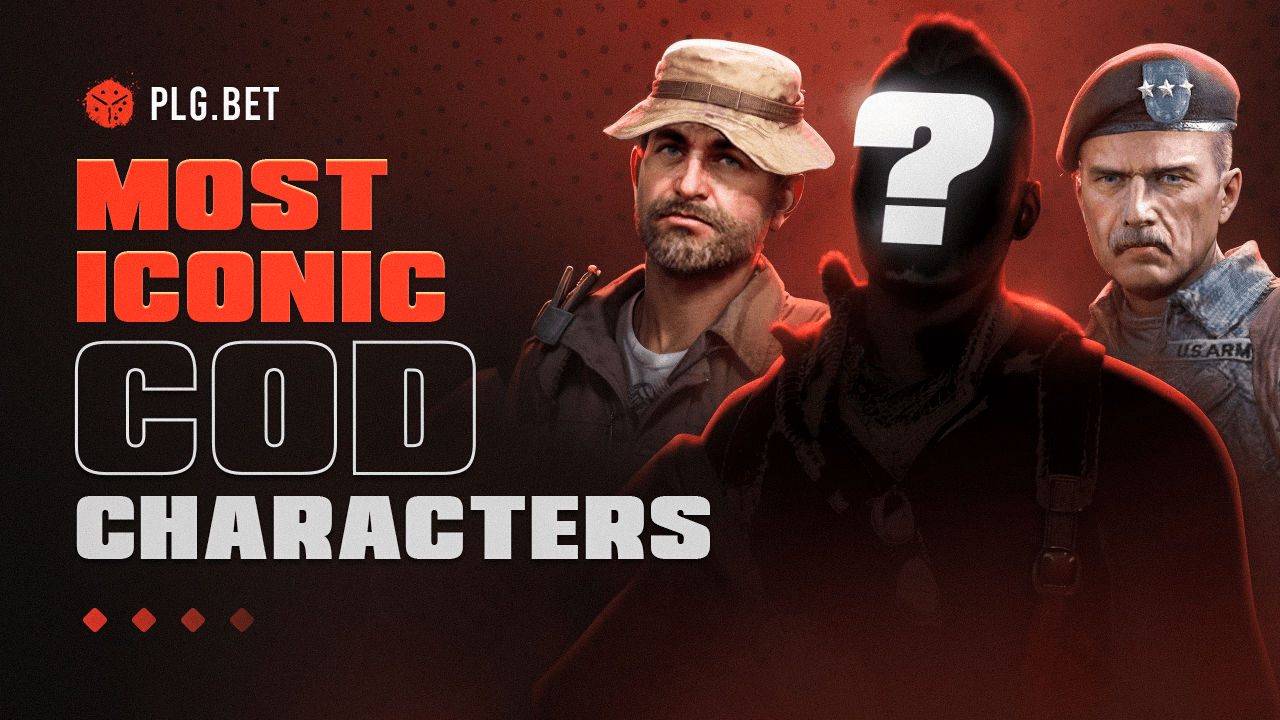
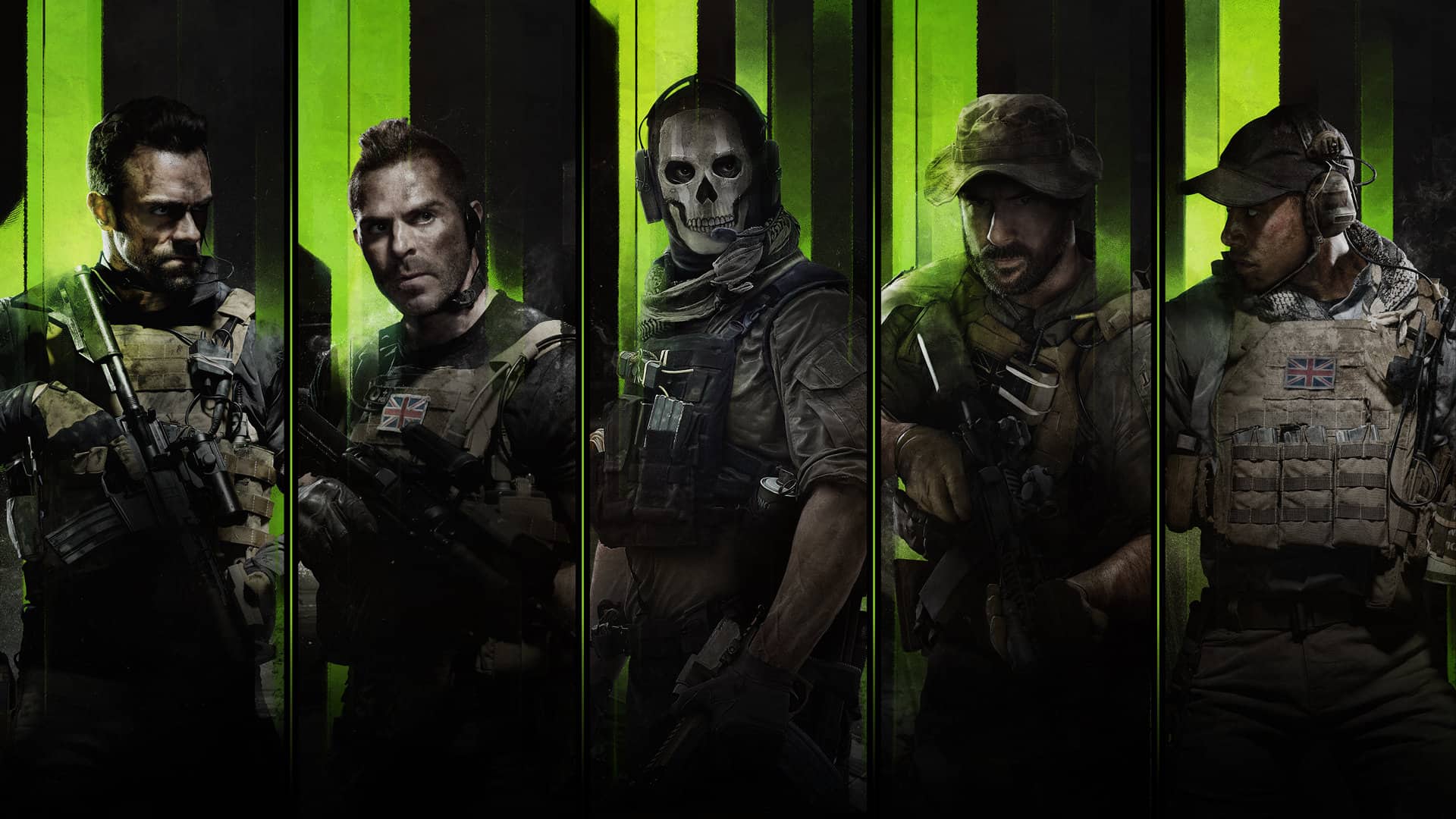
Call of Duty has produced some of the most recognizable figures in modern gaming, and this guide answers the question directly: when people talk about Call of Duty characters, they usually mean legends like Captain John Price, Vladimir Makarov, Soap MacTavish, and Alex Mason.
Across the Call of Duty franchise, these cod characters define narrative-driven shooters through disciplined protagonists, ruthless antagonists, and customizable operators drawn from global conflicts. This article presents all cod characters in a structured format, grounded in officially published Activision documentation and in-game canon.
You will find clear classifications covering heroes, villains, and operators, alongside focused sections on Modern Warfare, Black Ops, and Vanguard storylines. By anchoring each entry to its role, motivations, and historical context, this resource offers an authoritative overview designed for fans, researchers, and newcomers seeking accurate, factual, and complete insight into the enduring impact of the series on military action storytelling worldwide today.
Understanding Call of Duty Characters and Operators
Understanding Call of Duty characters begins with clarifying what a cod character actually represents within the series. In the Call of Duty ecosystem, the entity known as COD Operators refers to playable characters designed primarily for multiplayer and cooperative modes.
These operators function as customizable avatars, equipped with unique skins, voice lines, and cosmetic identities, rather than deep narrative arcs. In simple terms, operators function as either campaign protagonists or multiplayer avatars, depending on mode selection and title design.
A traditional Call of Duty character is usually story-driven and appears in scripted campaigns with defined personalities, motivations, and consequences. By contrast, operators are flexible playable characters built for competitive balance and player expression, not fixed storytelling. This distinction explains why cod character names in campaigns carry emotional weight, while operator identities emphasize recognizability and customization.
Naming conventions bridge both systems. Campaign figures often use memorable call signs such as Bravo Six, Ghost, or Soap, reinforcing realism and military hierarchy. Operators may inherit these names or variants, allowing iconic identities to persist across evolving multiplayer experiences without breaking established franchise continuity.
Modern Warfare Characters: The SAS and Task Force 141
The Modern Warfare series (2007-present) defines many of the most celebrated modern warfare characters in the franchise, grounding its narrative in realistic counterterrorism and global military operations. Built around British Special Air Service doctrine, the series consistently emphasizes elite teamwork, covert missions, and moral complexity. As a result, Call of Duty Modern Warfare characters feel disciplined, tactical, and shaped by modern conflict.
At the center of this storyline is Task Force 141, a multinational task force composed of handpicked operatives from allied nations. Core members typically include a British SAS commander, elite snipers, demolition experts, and intelligence specialists, allowing varied mission profiles across urban warfare, reconnaissance, and high-risk extraction. These MW characters operate under strict secrecy, reflecting real-world joint special operations.
Protagonists are defined by leadership and loyalty, while antagonists represent destabilizing extremist threats that transcend borders. According to design insights from the Infinity Ward development team, character creation focused on authenticity, military consultation, and emotional continuity across titles. This approach ensures that Modern Warfare characters are not just soldiers, but evolving symbols of duty, sacrifice, and consequence within the Call of Duty universe.
Captain John Price – The Face of Call of Duty
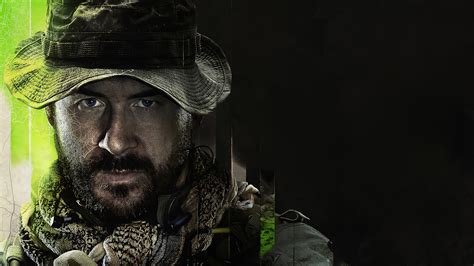
Captain John Price stands as the most enduring symbol of the franchise and is widely recognized as the definitive Captain Price fans associate with the series. Introduced in Call of Duty 4: Modern Warfare (2007), he is a British SAS officer holding the rank of Captain and operating under the iconic call sign Bravo Six. Across multiple timelines, Price embodies the answer to who is the main character in Call of Duty for many long-time players.
Within the narrative, Price commands Johnny “Soap” MacTavish, who was mentored by the legendary sniper MacMillan, and ultimately eliminates Vladimir Makarov, completing one of the franchise’s most consequential character arcs. His leadership style blends tactical precision with quiet inspiration, earning unwavering loyalty from his unit while maintaining operational realism. This balance has positioned him as a Call of Duty main character whose authority feels earned rather than imposed.
Official Call of Duty Blog profiles highlight Price’s evolution across both the original Modern Warfare trilogy and the rebooted timeline, showing a character shaped by decades of warfare without losing moral clarity. That long-term development, combined with consistent writing and design, places him firmly among the best Call of Duty characters ever created, serving as the franchise’s narrative anchor and emotional constant across generations of players.
Modern Warfare 2 Characters: Soap, Ghost, and the Great Betrayal
Modern Warfare 2 elevated emotional storytelling by focusing on a tight group of operatives whose fates reshaped the series. John "Soap" MacTavish begins the game as a seasoned sergeant in the 22nd SAS Regiment and later rises to Captain.
Known as a sniper and demolitions specialist, Soap McTavish is always under the command of Captain Price. Fans often ask, “Why is Johnny called Soap?” Official sources explain the nickname comes from his reputation for “cleaning up” missions with speed and precision.
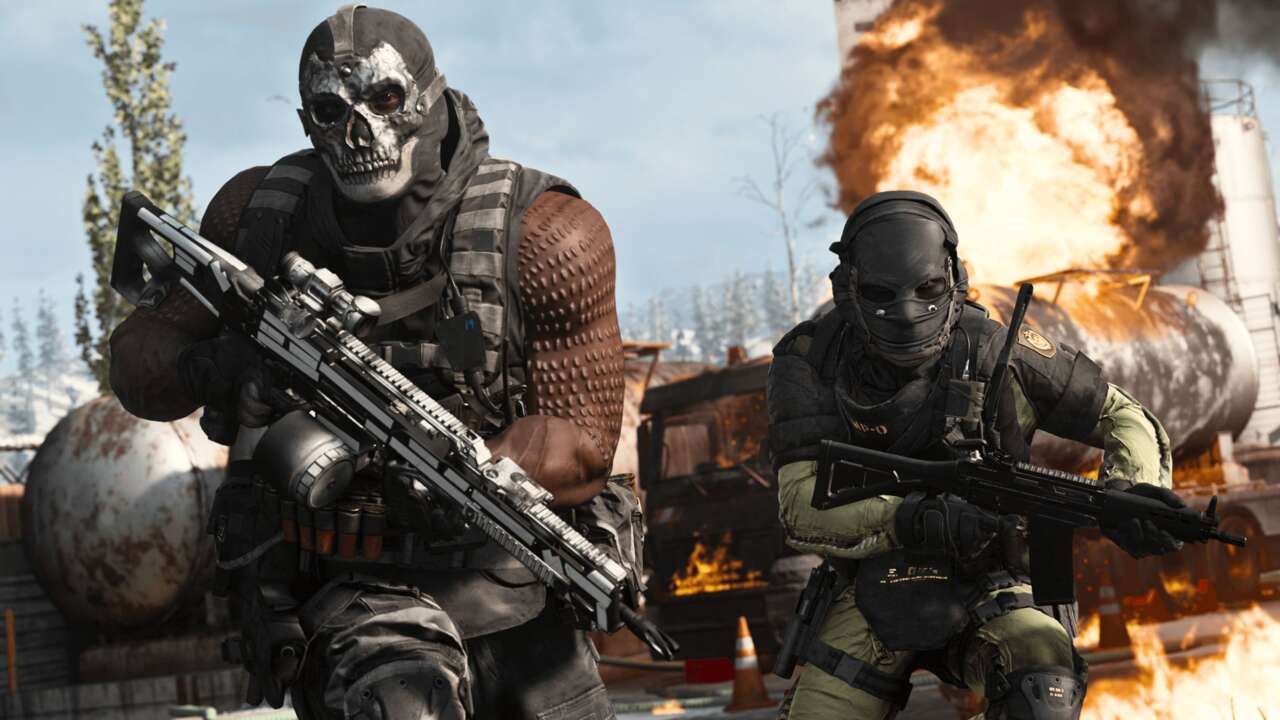
Another standout is Simon "Ghost" Riley, a Task Force 141 lieutenant defined by his skull mask and guarded past. For those asking, “Who is the ghost character in COD?”, Ghost is remembered for his loyalty and professionalism. In the original 2009 timeline, Simon Ghost Riley is killed, while the rebooted continuity allows his character to survive and evolve.
The turning point comes with General Shepherd, a lieutenant general whose misguided patriotism drives him to betray his own men. Shepherd’s betrayal results in the deaths of Gary Roach Sanderson and Ghost, creating one of gaming’s most shocking twists and permanently redefining trust, loyalty, and sacrifice within the Modern Warfare narrative.
Vladimir Makarov – The Ultimate Antagonist
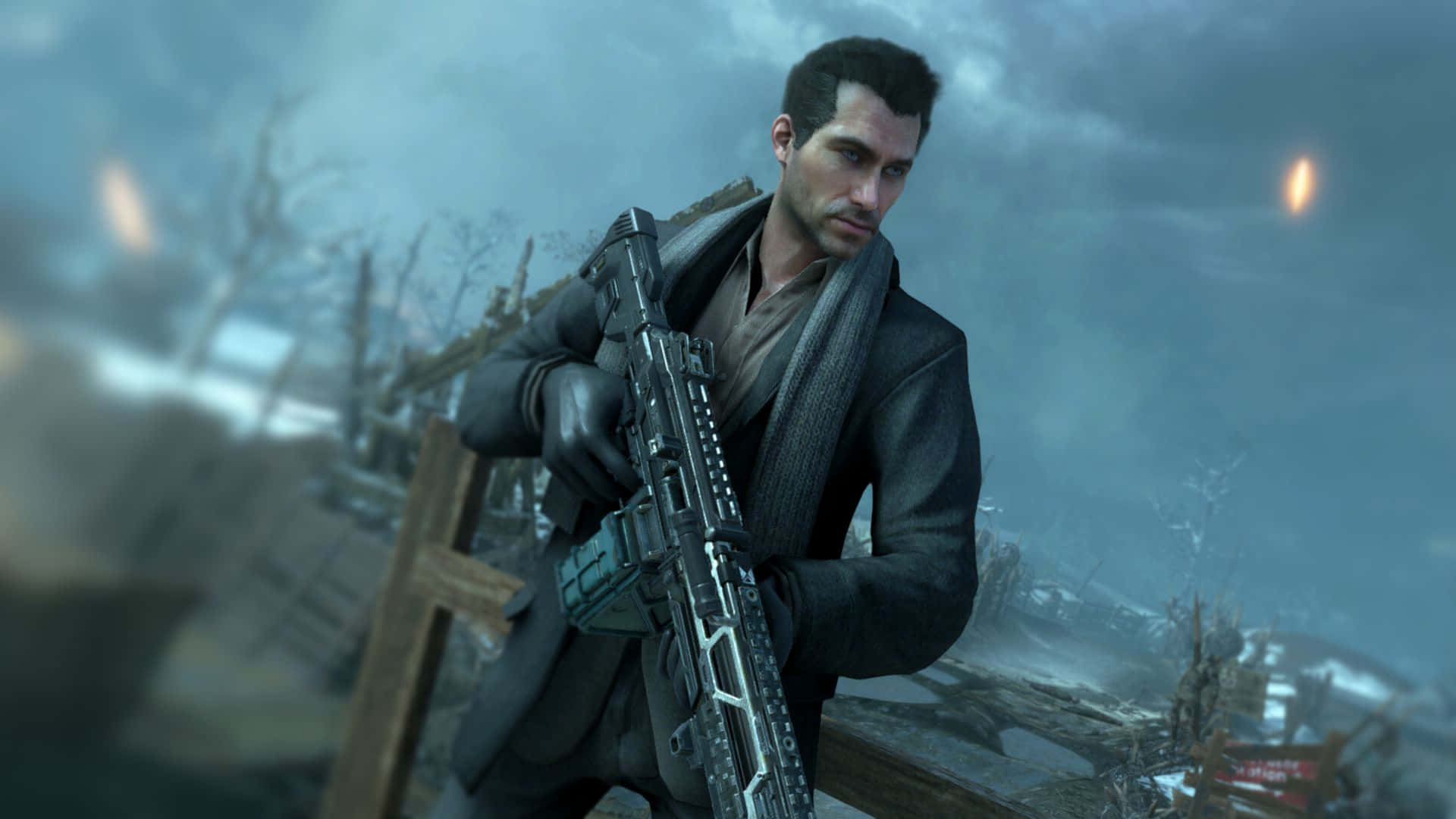
Vladimir Makarov is widely regarded as the most dangerous antagonist the series has produced and a benchmark among cod villains. As the leader of an ultranationalist faction, Makarov operates as a calculated terrorist mastermind whose actions are designed to destabilize nations and ignite global conflict.
Trained under the influence of Imran Zakhaev, he evolves from protégé to primary threat, orchestrating events that ultimately trigger the Third World War within the Modern Warfare narrative.
Makarov is relentlessly opposed by Captain Price, forming one of gaming’s most memorable rivalries. Their conflict is defined by strategy rather than brute force, with Makarov manipulating political pressure, media perception, and covert operations to achieve his goals. His leadership style is cold, methodical, and ruthlessly pragmatic, making his schemes feel disturbingly plausible.
One of his most infamous operations, the “No Russian” incident in Modern Warfare 2, cemented his reputation as a villain willing to cross every moral boundary to provoke international retaliation. This act of betrayal against humanity itself reshaped the series’ tone and stakes. Makarov’s story concludes in Modern Warfare 3 (2011), when he is finally killed by Captain Price, ending a reign of terror that earned him lasting recognition as one of gaming’s greatest villains.
Black Ops Characters: CIA Operatives and Cold War Legends
The Black Ops series distinguishes itself through a darker, psychological approach to storytelling, focusing on covert CIA missions set against the paranoia of the Cold War. Spanning the 1960s through the 1980s and extending into the near future with later entries, this arc defines many of the most complex black ops characters in the franchise. Unlike straightforward military narratives, Black Ops emphasizes memory, manipulation, and moral ambiguity.
At the center is Alex Mason, a CIA operative whose fractured memories drive much of the plot. Alongside him is Frank Woods, a fiercely loyal soldier known for resilience and raw determination. Their missions are deeply influenced by Viktor Reznov, a Soviet figure whose ideology and personal vendetta blur the line between ally and illusion. CIA handler Jason Hudson further anchors the narrative by representing institutional control and strategic oversight.
These figures function as the primary protagonists, operating in deniable missions across Cuba, Vietnam, and Eastern Europe. According to the Treyarch narrative design philosophy, Black Ops characters were written to feel unreliable yet human, reinforcing tension through perspective shifts and long-term consequences. This approach created some of the franchise’s most intellectually engaging and emotionally layered characters.
Alex Mason – The Numbers and the Man
Alex Mason is one of the most psychologically complex figures in the series and serves as the defining black ops protagonist of the original Black Ops narrative. A trained CIA operative assigned to covert Cold War missions, Mason’s story is shaped by captivity, manipulation, and fractured memory. His imprisonment in the Vorkuta gulag exposes him to intense psychological conditioning, making him a victim of experimental warfare rather than a conventional soldier.
Throughout the campaign, Mason is heavily influenced by Viktor Reznov, whose presence guides, motivates, and distorts his perception of reality. As a member of CIA Special Activities, Mason operates in deniable missions where truth is intentionally obscured.
This culminates in one of the franchise’s most iconic moments, captured in the haunting line, “The numbers, Mason!”, a phrase that anchors the recurring mystery of what do the numbers mean Mason and drives the plot forward.
Voiced by Sam Worthington, Alex Mason transitions from a brainwashed pawn into a self-aware hero, reclaiming agency through confrontation and memory recovery. His narrative function as an unreliable narrator adds rare depth to the franchise, forcing players to question perspective, motive, and truth.
This layered psychological construction sets Mason apart from traditional action leads and establishes his storyline as one of Call of Duty’s most narratively ambitious and intellectually engaging character arcs.
Frank Woods and Viktor Reznov
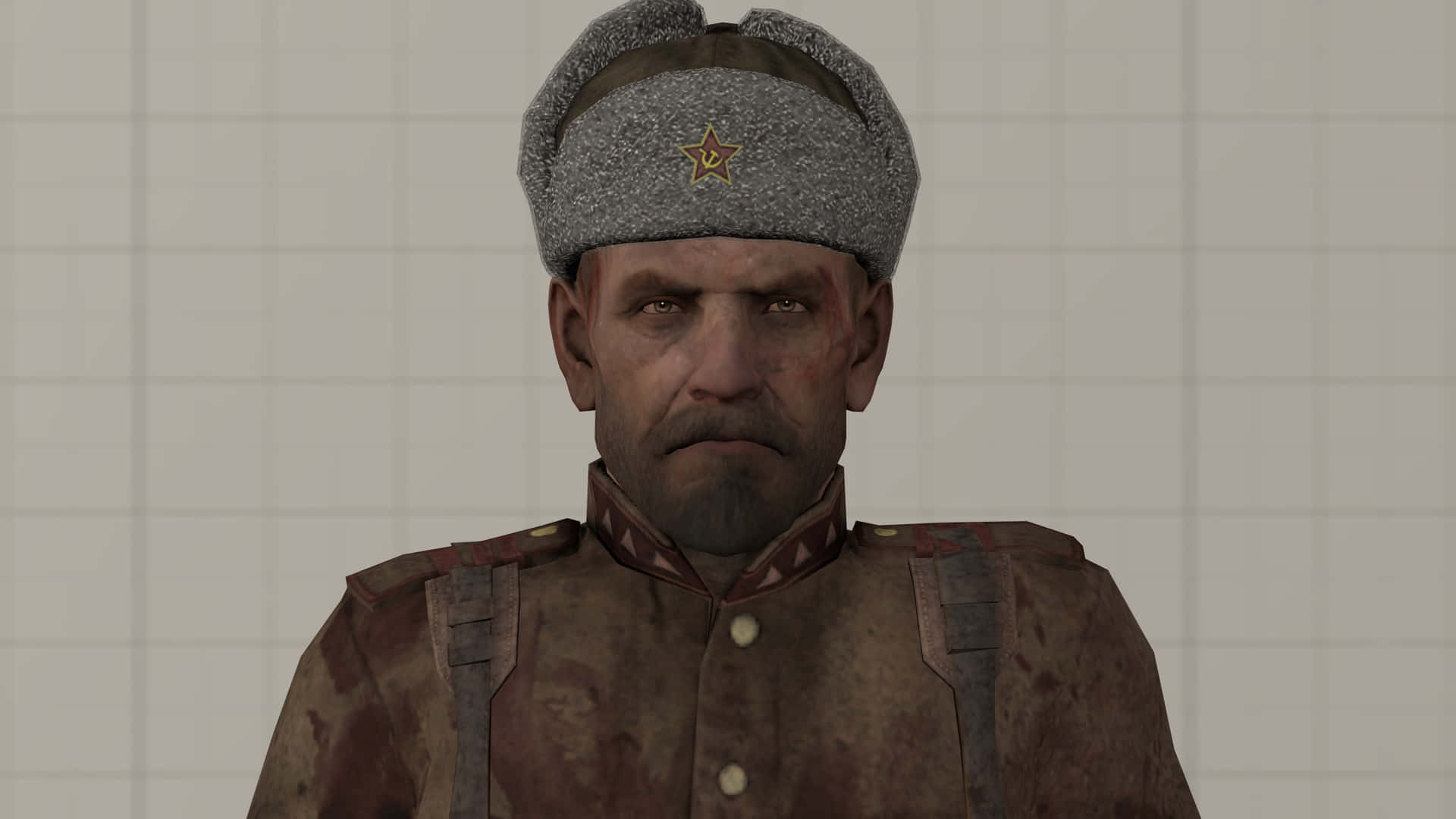
Frank Woods is defined by raw intensity and battlefield loyalty, serving as the emotional backbone of the Black Ops storyline. Holding the rank of sergeant, Woods is a hardened Vietnam veteran whose identity is inseparable from the Marine Corps ethos of resilience and aggression.
As a close ally of Alex Mason, his combat style is direct, uncompromising, and often brutal, reflecting years of frontline warfare. Across multiple titles, Woods’ survival and continued relevance demonstrate narrative longevity rarely afforded to supporting characters, reinforcing his status as one of the franchise’s most memorable characters.
In contrast, Viktor Reznov represents ideological fire and tragic obsession. A former Soviet captain of the Red Army during World War II, Reznov becomes a prisoner at Vorkuta, where his thirst for revenge against Dragovich defines his existence.
He acts as a mentor to Mason, shaping his decisions and worldview through powerful rhetoric and emotional manipulation. The eventual revelation that Reznov is a psychological construct rather than a physical presence transforms his role into one of the series’ most striking narrative twists.
Together, Woods and Reznov embody opposing forces, grounded realism and ideological obsession, creating a character dynamic that deepens the emotional and psychological weight of the Black Ops narrative while leaving a lasting impression on players.
Vanguard Characters: WWII's Task Force One
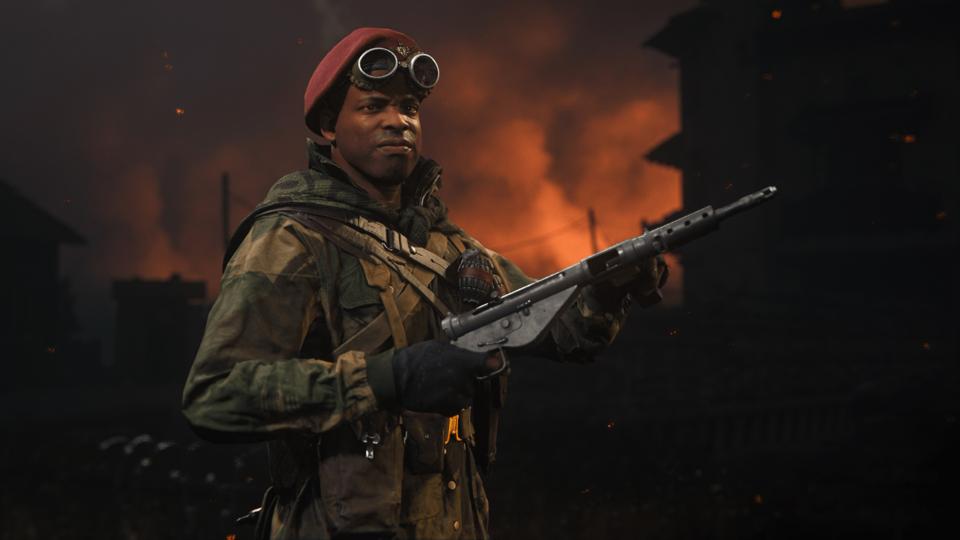
Call of Duty: Vanguard shifts the franchise’s focus to the final phase of World War II, introducing a new generation of heroes drawn from real historical theaters of war. The story centers on vanguard characters united under Task Force One, an experimental multinational unit assembled to prevent the rise of a global extremist threat after the fall of Nazi Germany.
This formation-driven narrative distinguishes Vanguard from earlier titles by emphasizing origin stories rather than long-established legends.
Task Force One is composed of five elite soldiers representing key Allied nations, including British, Soviet, Australian, and American forces. At its core is Arthur Kingsley, a British paratrooper whose leadership anchors the squad, alongside Polina Petrova, a Soviet sniper shaped by the devastation of Stalingrad. Each member contributes unique battlefield expertise, cultural perspective, and personal motivation.
According to insights shared by the Sledgehammer Games narrative team, Vanguard’s characters were designed to humanize WWII by focusing on personal sacrifice and formative experiences. This approach allows the campaign to preview individual arcs while reinforcing Task Force One as a precursor to the elite units seen in later Call of Duty timelines.
Arthur Kingsley – Leader of Task Force One
Arthur Kingsley stands at the heart of Vanguard’s narrative as a British Army sergeant entrusted with forming and leading Task Force One during the closing chapter of World War II. Born in Cameroon and educated at Cambridge, Kingsley brings an uncommon intellectual depth to the battlefield. Fluent in five languages, he represents a new archetype among Call of Duty protagonists, one shaped as much by empathy and intellect as by combat experience.
As the appointed leader, Kingsley leads Task Force One with a philosophy centered on earning trust rather than demanding obedience. His authority comes from genuine concern for the welfare of his soldiers, a trait repeatedly emphasized in official character bios released by Sledgehammer Games. Described as a natural born leader, he balances strategic foresight with moral clarity, motivated by a deep opposition to Nazi ideology and the human cost it inflicted across Europe.
However, Kingsley’s strengths also present challenges. His tendency toward careful deliberation sometimes risks hesitation in fast-moving combat scenarios, forcing him to grow into decisiveness under pressure. This internal conflict adds realism to his arc and distinguishes him from more rigid military stereotypes.
Through Kingsley, Vanguard explores leadership as responsibility rather than dominance, presenting a protagonist whose warmth, intelligence, and evolving command style redefine what it means to lead in wartime.
Polina Petrova and Task Force One Members
Polina Petrova stands out as one of the most impactful Call of Duty characters female representation in Call of Duty. A Soviet lieutenant and native of Stalingrad, Polina is a disciplined sniper whose effectiveness is shaped by years of hunting with her family before the war.
Her life is shattered during Operation Barbarossa, driving her forward with quiet vengeance. Petrova specializes in sharpshooting, relying on patience, precision, and emotional restraint. She speaks little, yet her actions carry weight, making her presence both intimidating and memorable within Task Force One.
Alongside her is Lucas Riggs, an Australian private whose civilian background as a sheep farmer contrasts sharply with his role as the team’s demolitions expert. Riggs is physically imposing but emotionally grounded, earning the nickname “gentle giant.” In combat, however, he becomes relentless, using explosives with brutal efficiency while remaining fiercely loyal to his squadmates.
Completing the core trio is Wade Jackson, a Brooklyn-born Navy pilot and first-generation American. Jackson is charismatic, egotistical, and thrives on danger, often treating combat like an adrenaline-fueled challenge. His daredevil flying style provides crucial air support and mobility for the team.
Together, Polina Petrova, Lucas Riggs, and Wade Jackson round out Task Force One with distinct skills, personalities, and motivations, reinforcing Vanguard’s focus on diverse backgrounds and human-driven wartime storytelling.
Hermann Freisinger – Project Phoenix Architect
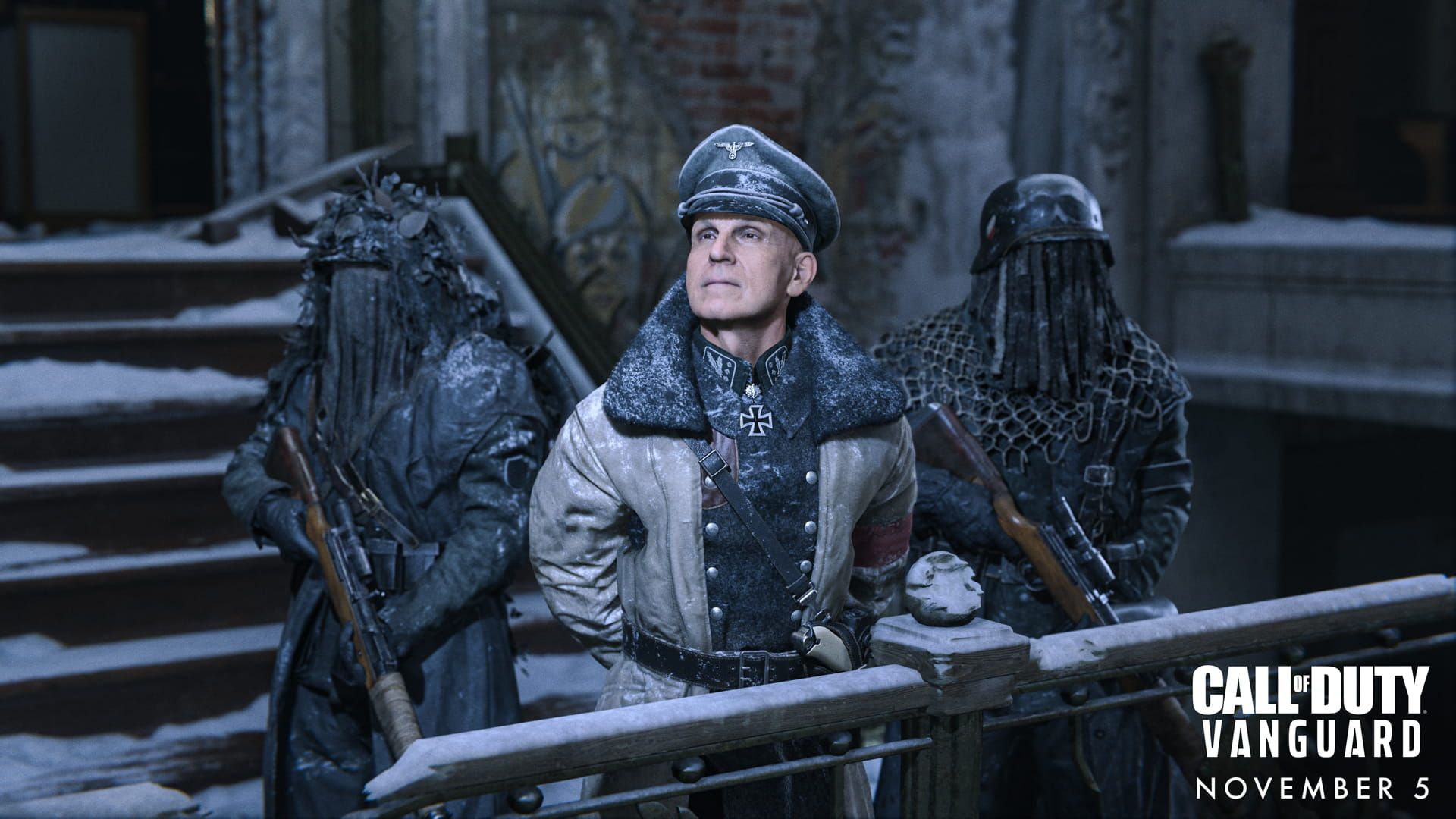
Hermann Freisinger is positioned as the central antagonist of Vanguard’s campaign and answers the question of who is the new Call of Duty villain within the WWII timeline. Holding the rank of SS Oberst-Gruppenführer, Freisinger operates from the Gestapo headquarters in Berlin, where he serves as chief interrogator and the principal architect of Project Phoenix. His vision is not rooted in battlefield dominance alone, but in intellectual superiority and psychological control.
Born into a wealthy military family with a long-standing reputation for service, Freisinger is driven by the need to preserve his lineage’s legacy. Rather than relying solely on brute force, he believes wars are won by outthinking opponents, manipulating systems, and exploiting fear. This makes him unusually charismatic, articulate, and dangerous, masking cruelty behind calculated charm.
Freisinger serves Project Phoenix as both strategist and enforcer, developing a post-war extremist ideology designed to reshape global power. His actions place him directly opposed by Task Force One, whose multinational unity contrasts sharply with his elitist worldview. This ideological clash elevates him beyond a conventional villain, presenting a foe defined by manipulation, ambition, and ruthless efficiency.
Through Freisinger, Vanguard introduces a villain whose menace lies not just in violence, but in intellect, positioning him as one of the franchise’s most unsettling antagonists.
Supporting Characters and Memorable Operators
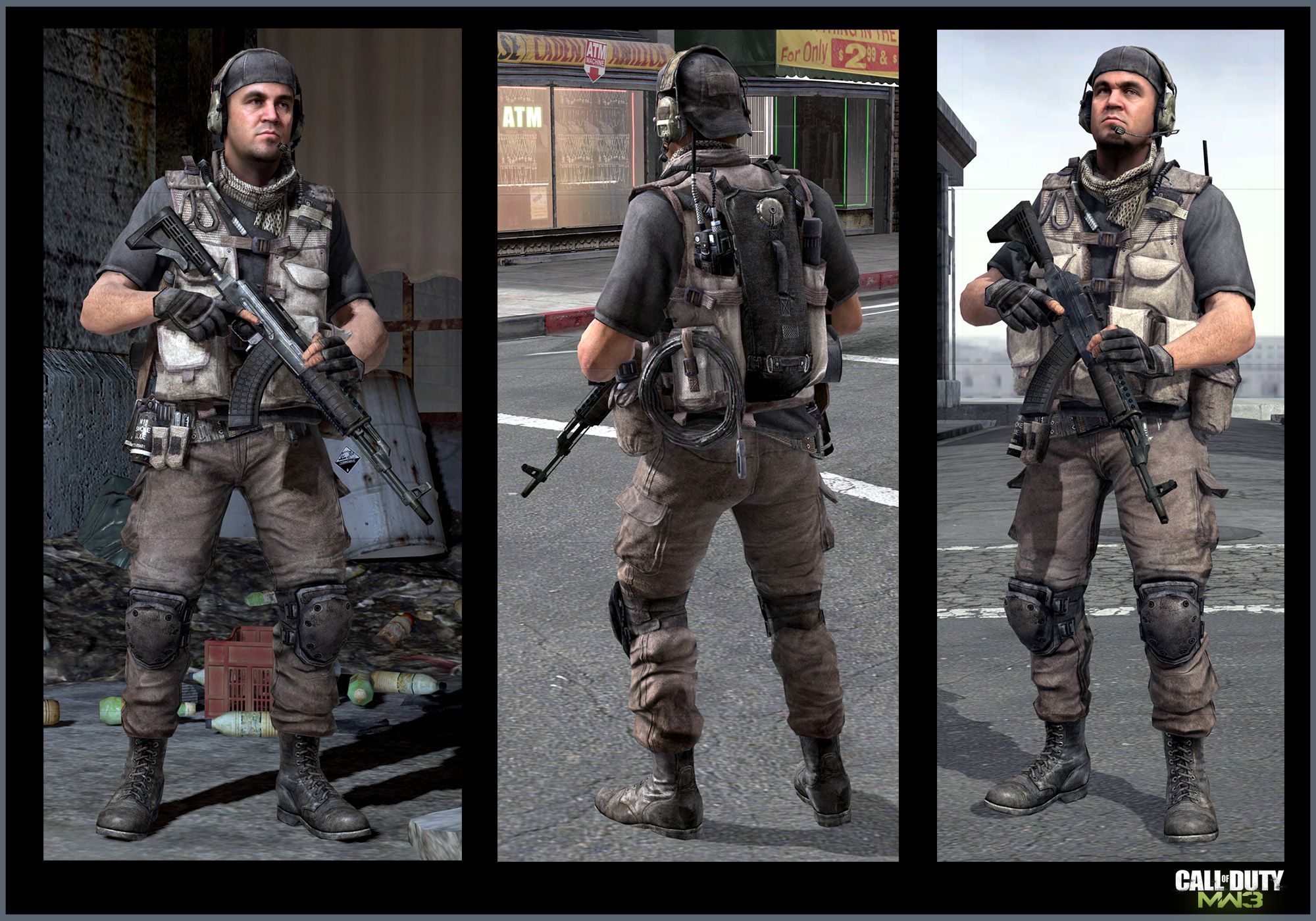
Beyond headline heroes and villains, the Call of Duty universe is shaped by each supporting character whose actions leave lasting consequences. These figures often evolve quietly, yet they rank among the most memorable characters due to their influence on major events and player perception.
Nikolai is a Russian informant and skilled pilot who repeatedly aids Captain Price. Pragmatic, resourceful, and loyal when it matters, Nikolai’s alliance with Price provides critical intelligence and extraction support during high-risk missions, proving that trust can exist even across ideological lines.
Yuri offers one of the franchise’s strongest redemption arcs. A former Ultranationalist, Yuri ultimately turns against Makarov after witnessing his atrocities. His betrayal of Makarov is motivated by guilt and responsibility, adding emotional depth to the Modern Warfare narrative.
In the rebooted timeline, Farah Karim emerges as a resistance commander fighting for her homeland. Farah’s leadership, moral clarity, and resilience make her one of the most impactful modern additions, expanding representation and redefining frontline heroism.
From Black Ops II, Raul Menendez stands out as a complex antagonist. As leader of Cordis Die, Menendez seeks revenge against the CIA, blending personal loss with ideological warfare. Together, these characters demonstrate how secondary roles can drive narrative weight and shape the franchise’s most unforgettable moments.
Character Evolution and Military Specializations
Character evolution in Call of Duty reflects a clear military hierarchy built around rank and role. Early titles treated soldiers as anonymous units, but later entries emphasize progression from sergeant to captain to lieutenant, tying authority to narrative growth.
Characters such as Soap and Kingsley begin as a sergeant, learning leadership under pressure, while Captain Price embodies experience and command earned over decades of conflict. Figures like Ghost and Polina operate at the lieutenant level, balancing frontline execution with tactical decision-making.
Alongside rank, specialization defines identity. The sniper role highlights patience and precision, seen in characters trained for long-range elimination. The demolitions expert archetype emphasizes calculated destruction, breaching, and sabotage, while pilots like Jackson extend combat into airspace. Many protagonists are framed as a special forces operative, drawn from elite multinational units.
These units include the British Special Air Service, Delta Force, Spetsnaz, the Australian Army, and the Marine Corps, reinforcing authenticity through real-world structure. Over time, reboots such as Modern Warfare 2019 reshaped continuity, transforming faceless soldiers into personality-driven professionals whose ranks and skills evolve across interconnected timelines. This progression strengthens immersion by aligning gameplay mechanics with character arcs, historical inspiration, and consistent military logic across campaigns worldwide today.
Character Impact on Gaming Culture
The Call of Duty franchise has produced iconic characters whose influence extends far beyond gameplay into global pop culture. Figures like Captain Price have become symbolic mascots of the series, instantly recognizable through voice, silhouette, and attitude. Others, such as Ghost, achieved visual immortality through mask iconography that dominates cosplay, fan art, and social media, reinforcing their place among the most popular cod characters.
This influence is measurable across multiple cultural channels. Memorable characters fuel merchandise lines including action figures, apparel, and collectible statues, while Halloween costumes and cosplay events regularly feature Price, Ghost, and Farah Karim. In digital spaces, operator skins drive Warzone engagement and sales, showing how character identity directly shapes player behavior and brand longevity.
Meme culture also plays a role, particularly with Alex Mason’s “the numbers” line, which remains widely referenced years after release. The lasting cultural impact of these characters comes from a combination of strong visual design, distinctive voice acting, and emotionally charged narrative moments. Together, these elements allow select characters to transcend their original games and become enduring cultural symbols within and beyond the gaming community.
The growth of gaming culture now extends into adjacent ecosystems, including competitive entertainment platforms such as PLG.BET. Its focus on provably fair algorithms and secure transactions reflects how franchises like Call of Duty helped legitimize gaming as a mainstream industry spanning esports, wagering, and digital competition.
Conclusion: The Legacy of Call of Duty Characters
From 2007 to 2025, Call of Duty characters have evolved from mission-focused soldiers into deeply written figures who define the identity of the cod franchise. Leaders like Captain John Price embody enduring leadership and military authenticity rooted in real-world units such as the SAS and CIA, while antagonists like Vladimir Makarov demonstrate how morally complex threats can elevate narrative stakes. Across Modern Warfare, Black Ops, and Vanguard, Task Force dynamics and multinational squads reinforce realism, cooperation, and consequence.
These iconic heroes and memorable villains do more than drive plot; they define the franchise’s tone, emotional weight, and cultural relevance. Their relationships, sacrifices, and conflicts collectively shape how players experience warfare storytelling. As the series continues to expand, players are encouraged to revisit campaign stories for narrative depth and engage with operators in multiplayer to experience how these characters continue to shape Call of Duty’s legacy.