Discover what is Wingman — Wingman is a 2v2 game in Counter-Strike 2, developed by Valve Corporation as a shorter alternative to the standard competitive mode. After players unlock Wingman mode, they enter compact arenas where every move counts. The Wingman maps in CS2 emphasize tactical precision and communication, and mastering them is the key to long-term Wingman success. Each match features two teams competing on condensed maps with 90-second rounds and a single bomb site — a compact game mode in Counter-Strike 2 built for speed and precision. This complete guide covers maps, strategies, and player progression in the game’s fast-paced format.
Understanding CS2 Wingman Game Mode Fundamentals
The Wingman mode in CS2 is a focused version of the traditional Competitive mode, often referred to as competitive Wingman among the community. Unlike standard competitive maps, it condenses gameplay into tighter areas with faster pacing and closer engagements. It keeps the core mechanics of Counter-Strike 2, preserving authentic Counter-Strike gameplay while simplifying the format for a faster and more tactical experience. Each match involves two teams of two players battling on compact maps built around one bombsite, where you rely entirely on one teammate to win critical rounds. Unlike regular CS2 matches, these maps are smaller, fast-paced, and built for focused 2v2 battles — a selection of maps specifically crafted for tactical skirmishes. The mode features a selection of maps designed specifically for compact tactical gameplay.
Unlike the standard 5v5 setup, the 2v2 game mode eliminates the chaos of large teams and emphasizes clutch plays and individual skill. The action unfolds on maps where every corner matters, reflecting the way matches are played in Wingman — faster, focused, and tactical. These matches are shorter, but demand the same level of concentration as longer formats. Many players who enjoy strategy and fast rounds prefer this mode, where strong map awareness often determines success.
Below is a detailed comparison between Wingman and Competitive modes, showing how gameplay mechanics and overall pacing differ.
Wingman vs Competitive Mode in Counter-strike 2
| Feature | Wingman Mode | Competitive Mode |
|---|---|---|
| Team Size | 2v2 game mode | 5v5 standard setup |
| Match Duration | 15–25 minutes | 45–60 minutes |
| Map Design | Smaller maps, single bomb site | Larger maps, multiple bomb sites |
| Round Timer | 90 seconds | 115 seconds |
| Economy System | Simplified and faster recovery | Complex, long-term economy management |
| Tactical Focus | Individual skill and teamwork balance | Deep coordination and team strategy |
| Learning Curve | Easier to master for beginners | Requires advanced tactical knowledge |
Players choose Wingman vs Competitive when they want shorter, high-impact matches that demand concentration but less coordination. It’s ideal for improving aim, learning utilities, and practicing crossfire tactics. Skills gained here transfer well to other CS2 game modes, though strategies vary due to the limited space and faster pacing.

Wingman Match Format and Round Structure
A CS2 Wingman match uses a best-of-16 format, where the first team to reach nine wins takes victory. Each round lasts 90 seconds, with a 15-second freeze time for buying and planning. Maps include a single bomb defusal site, reflecting the smaller-scale bomb defusal maps designed exclusively for Wingman mode.
The Wingman match duration is usually 15–25 minutes, far shorter than the 45–60 minutes of a full competitive match in CS2, but the gameplay experience remains just as intense. The economy is simplified: players start with less money, weapon prices are adjusted, and recovery is faster.
If the score reaches 8–8, overtime may decide the winner. Teams can also vote to surrender, but all members must agree. The short round timer demands fast thinking, sharp rotations, and precise coordination to achieve victory in every intense round.
CS2 Wingman Maps Guide: Overpass, Vertigo, Inferno & Nuke
The CS2 Wingman maps are smaller and built for focused 2v2 battles. Each includes a single bomb site, encouraging players to focus on a single bomb and refine site control. More tactical insights are covered later in the frequently asked questions section. Understanding layouts and timing gives a significant advantage in every match, especially since Wingman rewards precise positioning and fast decisions.
Overpass Wingman Layout and Strategies
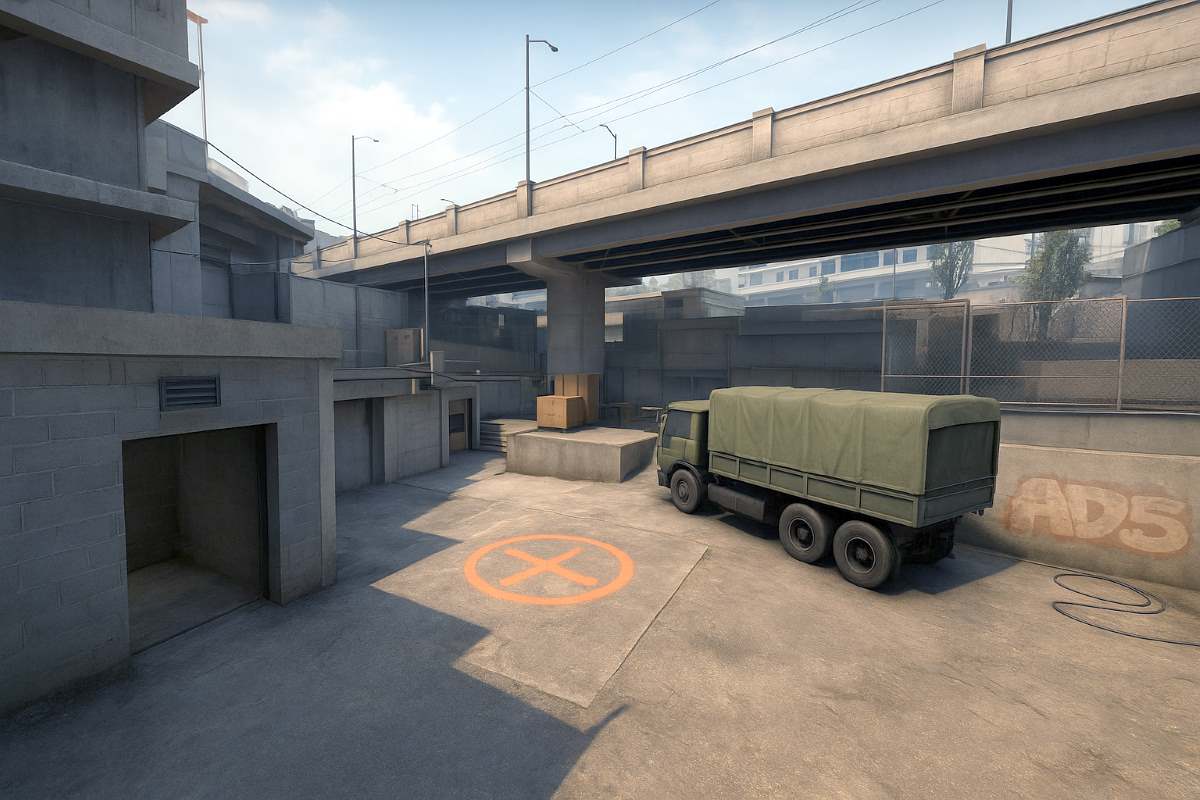
Overpass Wingman focuses on the A bomb defusal site with three key areas — toilets, truck, and default. Controlling connector helps Ts rotate and pressure early, while CTs use truck and toilets for crossfire defense. Long angles near the truck reward accurate AWP shots, close fights favor rifles.
Terrorists can open with an early connector rush or slow defaults using smokes for cover. Prefire spots near the truck corner and nade lineups for entry are vital. CTs should manage utility to stall pushes. Economically, the CT side gains from cheaper utility, making Overpass slightly CT-sided, while Ts must plan force buys carefully. Quick rotations and timing control define success.
Vertigo Wingman Tactics and Map Control
Vertigo Wingman features unique vertical gameplay around A site. The main zones are the ramp, boxes, elevator, and A main. Height control creates strong defensive power, and smart 2v2 teamwork allows for quick trades.
Common tactics include ramp splits, elevator flanks, and retake plays with flashes and smokes. Sound cues are critical because of the multi-level structure. Effective Wingman positioning uses elevation and solid cover. Weapons like the M4A1-S or MP9 work best for tight spaces and mid-range fights.
Inferno and Nuke Wingman Gameplay
Inferno Wingman centers on A site with focus areas like balcony, pit, and library. Control through utility — flashes and molotovs — decides rounds. Short rotations make every second count.
Nuke Wingman brings longer fights and vertical battles around A and ramp. Boost spots near rafters offer strong defense but require coordination. Within the pool in CS2, Inferno suits beginners with close combat, while Nuke demands better positioning and utility knowledge. Each provides a unique style of play and learning curve.
Map Selection and Rotation System
The Wingman map pool rotates regularly through CS2 updates. These maps are designed to reward precise map knowledge and tactical adaptation. Players queue through a veto system or random selection. Overpass and Inferno favor tactical play, Vertigo rewards aggression, and Nuke challenges positioning.
Learning new maps means practicing offline, watching replays, and mastering grenades. The CS2 map rotation keeps matches fresh and tests player flexibility — in Wingman, adaptability is key to long-term success. Community data shows Overpass and Inferno as most played, while Nuke remains the hardest to master.
Wingman Ranking System and XP Progression
The Wingman mode in CS2, built around a smaller team size and a single bomb objective, features its own ranking and experience systems that reward consistent play and measurable progress. Understanding how ratings and XP work helps players improve steadily and unlock in-game features faster.
How CS2 Wingman Ranking Works
The Wingman rank system uses the new CS2 Elo system, replacing traditional static ranks. Every player starts with a hidden base rating that adjusts after each match. Rating gain or loss depends on several factors — rounds won or lost, individual performance, and the opponents’ rating. Winning against higher-rated teams grants more Elo points, while losses to lower-rated teams reduce rating faster.
Each player’s rating translates into visible divisions showing their current skill percentile. The Wingman ranking CS2 system is entirely separate from Competitive mode, meaning performance in one doesn’t affect the other. New players complete calibration matches to determine their initial rank, which usually takes about the same time as playing 5–7 matches in other game modes of CS2. After calibration, the system measures consistency: streaks of good results stabilize ratings, while inactivity triggers slow rating decay.
Maintaining activity is key — playing regularly keeps the rating accurate and prevents decay. To improve consistently, focus on round wins, strong individual stats, and teamwork. Avoid frequent disconnects or surrender votes, as they negatively impact your progress. With time and stable performance, players start climbing the ranks and face higher-skilled opponents.
XP Farming and Rank Progression in Wingman
Yes, Wingman does give XP toward your overall profile level. The system calculates Wingman XP CS2 from several sources — base match XP, round win bonuses, and performance multipliers tied to MVPs or clutch rounds. Weekly XP bonuses boost gains for active players, while Prime users receive slightly higher rewards and exclusive drops.
As you accumulate XP, you progress toward service medals and the max XP rank CS2 level 40. Reaching this cap resets your profile for a new medal season, marking progress similar to players who reach the 18 rank milestone in other CS2 categories. Compared with other modes, Wingman offers slightly lower XP per match, but its shorter duration makes it efficient for quick farming sessions.
To maximize XP gain, play consistently each week, maintain strong performance, and use the weekly bonus effectively. Avoid early surrenders or idle rounds, as they reduce XP rewards. XP progression also unlocks Prime eligibility, giving access to cleaner matchmaking and higher-value drops. Mastering both rating and XP systems ensures smooth progress through CS2’s competitive ecosystem.
CS2 Prime vs Non-Prime Wingman Experience
In CS, the Wingman mode feels different depending on Prime status. Prime players get fairer matchmaking and cleaner games, while non-Prime users experience more randomness but can still progress toward eligibility.
Prime Wingman Benefits and Requirements
To join CS2 Prime Wingman, players must verify a phone number and reach rank 21+, or purchase Prime on Steam. The Prime benefits include better matchmaking, fewer cheaters, trust factor integration, and exclusive item drops. The system prioritizes fair play and consistent behavior, improving match quality.
Community data shows that Prime lobbies have far fewer cheaters, often over 90% less. Deciding if you need Prime Wingman depends on your goals: buying gives instant access, while grinding to rank 21 is slower but free. Both paths lead to a stable, safer experience, especially for competitive players who value consistency and fair matchmaking.
Playing Wingman Without Prime Status
Wingman without Prime is open to everyone but comes with drawbacks — more cheaters, longer queues, and weaker rewards. Still, it helps newcomers learn the game and build trust factor.
To improve matchmaking, stay active, report suspicious players, and maintain good conduct. For most, upgrading becomes worthwhile once you play regularly and aim for long-term progress in CS.
Advanced Wingman Strategies and Tactics
Success in CS2 Wingman depends on sharp aim and clear tactics. Because the mode features only two players per team, coordination, communication, and adaptability decide who wins — this adaptability and synergy form the key to Wingman success. Understanding each role, managing economy, and coordinating with your teammate are the keys to consistent victories — these are essential tactics for Wingman success.
2v2 Team Coordination and Communication
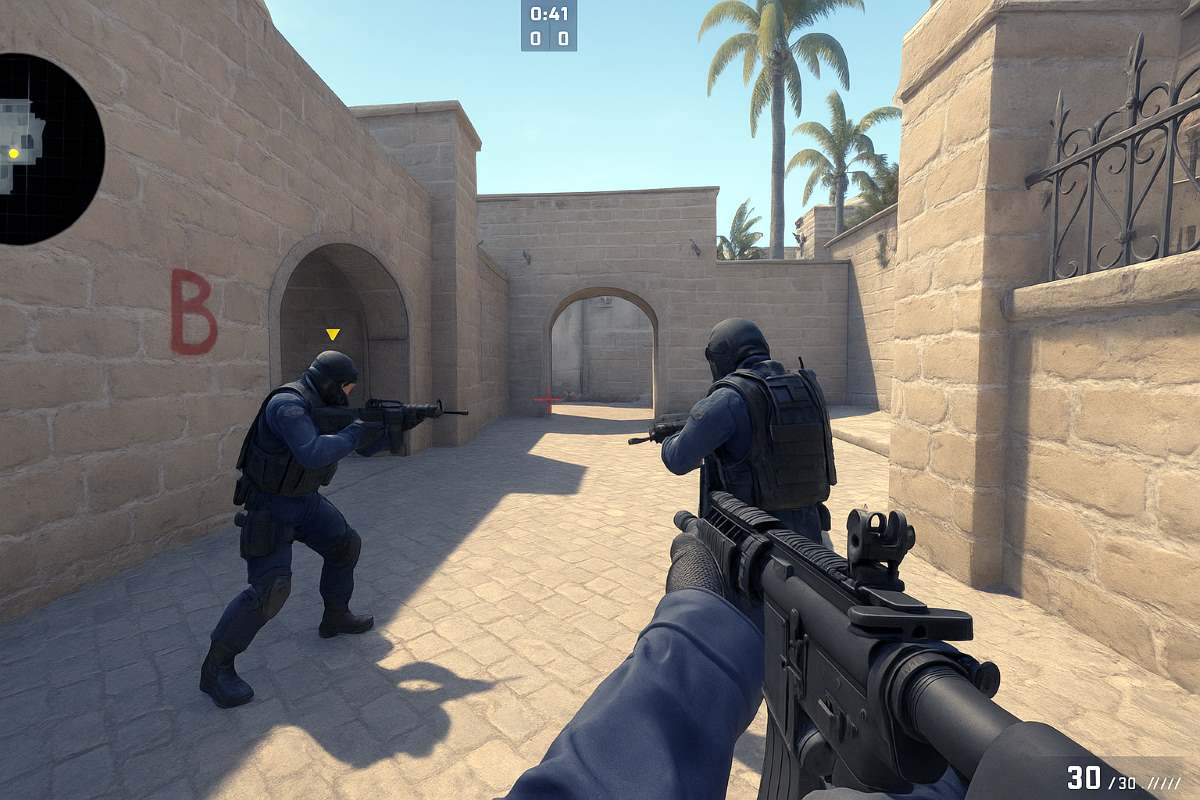
Strong 2v2 teamwork is the foundation of effective Wingman strategies CS2. Clear in-game communication ensures players react instantly to changing situations. Consistent callouts, timing coordination, and simple economic planning help avoid confusion during fast rounds.
Role division matters: one player often acts as an entry fragger or in-game leader (IGL), while the other provides support. Finding balance between aggressive and passive styles lets teams adjust to opponents’ pace.
Use structured approaches — slow defaults for information, full executes for site takes, and smart anti-eco rounds. Decide who leads pushes or holds angles before the match starts. Respect voice chat etiquette: share only essential information and avoid overlapping calls. The best duos communicate concisely and trust each other’s decisions — communication and teamwork make every move count in Wingman.
Individual Skill Development for Wingman
Improving personal ability is crucial in 1v1 Wingman CS2 situations. Players must stay calm, multitask, and use precise positioning to control duels. Smart Wingman tips CS2 focus on pre-aiming common spots, holding tight angles, and using sound to predict movement.
Regular practice helps develop aim and decision-making. Use custom aim maps, retake scenarios, and small 1v1 servers to sharpen reactions. Learn opponent patterns to anticipate rotations and timings. Refine crosshair placement for typical Wingman sightlines — head level at close angles or slightly higher for long duels. Consistency in these habits turns every encounter into a winnable situation.
Economy Management in Wingman Matches
The CS2 economy in Wingman is streamlined but demands discipline. With fewer players, each purchase impacts the round. Wingman tactics often involve deciding when to save or force-buy based on your teammate’s money. Sharing roles — one buys rifles while the other invests in utility — helps maintain balance.
Smart economic strategy focuses on efficiency. Spend on essential grenades like flashbangs or smokes before upgrading weapons. Use anti-eco setups to secure safe rounds, and exploit economic advantage by pressuring weaker buys. Communicate every purchase and synchronize saves to avoid imbalance. Well-managed finances often create comeback opportunities, proving that strategy can outweigh firepower.
Common Issues and Technical Considerations
Even though CS2 Wingman uses smaller maps, players can still face performance and fairness issues. Knowing how to optimize settings and avoid technical problems helps maintain smooth and balanced gameplay.
Wingman Matchmaking and Server Performance
Wingman matchmaking can vary by region — Europe usually has faster queues, while smaller regions wait longer. Some players face skill imbalance, but Valve continues improving pairing algorithms.
Stable performance depends on CS2 server performance and connection quality. To prevent connection issues, pick nearby servers, use a wired connection, and close background apps. Lowering graphics or capping FPS helps reduce lag. Enable HRTF sound for better directional audio, especially on tight Wingman maps.
Addressing Cheating in Wingman Mode
While reduced, CS2 Wingman cheaters remain a concern. Valve’s VAC system, Overwatch reviews, and behavior tracking help remove offenders. Cheating types like wallhacks and aimbots are easier to spot in 2v2 matches.
Playing in Prime lobbies lowers risk thanks to trust factor checks. Reporting suspicious players remains the most effective deterrent. The Snap Tap cheating CS2 case led to tougher hardware restrictions, improving the game’s anti-cheat protection and keeping Wingman fair.
CS2 Rewards and Progression Systems
The CS2 item system keeps players engaged through Wingman case drops, XP rewards, and trading opportunities. These mechanics motivate players to stay active and progress over time.
Skin Drops and Case Rewards in Wingman
CS2 skin drops occur weekly and depend on playtime and Prime status. Prime users receive better-quality items and access to exclusive cases, while non-Prime players get standard drops. Rewards include weapon skins, graffiti, and service medals for consistent activity.
Item values differ — rare drops can be sold on the Steam Community Market for high prices. Seasonal events bring unique cases and temporary drop boosts. Performing well in matches increases XP and improves reward frequency.
Players interested in expanding their competitive experience can explore Counter Strike bets for additional engagement with the CS2 ecosystem.
Trading Opportunities and Market Value
The CS2 skins marketplace supports trading through Steam and trusted sites like Tradeit.gg. Knowing float values, wear conditions, and rare patterns helps identify profitable items.
Safe skin trading requires using reputable platforms and respecting trade holds. Consistent Wingman performance often leads to better drops, creating chances to grow a collection or trade for profit.