


Where gambling is illegal, the thrill of placing a bet can quickly spiral into serious trouble. While millions enjoy casinos, online gambling, and placing bets on their favorite games, others live under strict laws that punish even a casual game of chance. From banned gambling zones to countries embracing legalized gambling, the global landscape is full of surprises, especially where gambling is illegal without exception.
Understanding where gambling is illegal begins with recognizing how complex and varied global gambling laws truly are. In most countries, gambling legislation reflects a mix of social, religious, and economic influences.
In some regions, like Las Vegas or Texas, legal gambling is a massive industry driving state revenue through casino games, horse racing, and online gaming. These areas support a wide range of gambling services, from land-based casinos to sports betting and even social gambling.
Conversely, in many Muslim countries, gambling is illegal due to strict anti-gambling laws tied to religious doctrine. The Indonesian government, for example, punishes unlicensed gambling with jail time or community service. Banned gambling often targets online gambling, gambling devices, and offshore casinos, especially those run by illegal gambling operators.
Even within the same country, gambling activities can be treated differently; poker may be licensed in one gaming area but forbidden elsewhere. Cruise ships might allow casino play offshore, while local forms of sports betting are restricted. The penal code in many regions constantly evolves to tackle gambling-related crimes and address problem gambling.
This guide will help you explore why gambling is illegal in some places and how legalized gambling works in others.
Factors Affecting Gambling Legislation Worldwide
The question of where is gambling illegal is deeply tied to cultural, religious, and political factors. In many regions, especially where Islam is the main religion, gambling is illegal due to religious teachings that prohibit people from attempting to gamble with luck or money. In a typical Muslim country, even national lottery participation may be viewed as an illegal activity.
Governments also weigh the social impact of all forms of gambling or sports betting. Concerns over addiction, rising gambling related crimes, and other criminal activities push policies to impose restrictions or outright push policies to impose restrictions or outright bans.
In such areas, even land based casinos or state-run horse races may be limited or completely prohibited. This has led to banned gambling zones where all forms of gambling are treated as a public threat.
On the flip side, economic incentives encourage some nations to pursue legal gambling. Countries like Costa Rica, where legalized gambling is a source of jobs, state revenue and tourism, adopt more liberal laws. Cultural tolerance for risk and leisure also influences acceptance of betting and other forms of gaming. Ultimately, each nation strikes its own balance, some embracing legalized gambling, others declaring that gambling is illegal under any circumstances.
Understanding Regulated vs. Unregulated vs. Prohibited Markets
Global gambling landscapes fall into three categories: regulated markets, unregulated markets, and prohibited markets. These classifications determine how and whether people can legally gamble their money, and how authorities manage risk, taxation, and player protection.
In regulated markets, governments issue gambling licenses to control and monitor betting activities. These markets enforce strict rules to ensure fairness, transparency, and responsible conduct.
Operators must comply with oversight requirements, and players benefit from clear dispute resolution processes and financial safeguards. Countries with legal gambling often use this system to collect taxes and minimize harm while offering safe access to several forms of gambling.
Unregulated markets, on the other hand, operate in a licensed gray zone. While “gambling is illegal” may not be explicitly stated, there are no clear laws or regulations supporting or banning it. These markets may allow offshore sports betting providers to function without local licensing, leaving both operators and players vulnerable. There is little to no enforcement, and player protection is weak or nonexistent.
In prohibited markets, all forms of gambling or sports betting are explicitly banned by law. Operators and, in some cases, players may face strict lawful consequences. These restrictions can drive users toward offshore gambling platforms or underground operations, which typically lack oversight and raise safety concerns.
The distinction between these three market types affects not just the judicial status of platforms but also the experience and risk levels for players. From regulation to enforcement, every country sets its own boundaries, defining what’s allowed, what’s tolerated, and what’s absolutely off-limits in the world of gambling illegal economies.
Online Gambling Legislation Around the World
Regulating online wagering is a legal maze that varies dramatically across borders. The rise of digital platforms has outpaced many traditional laws, creating confusion, loopholes, and opportunities. Some nations embrace strict online casino regulations, while others struggle to apply outdated legislation to this modern, borderless form of entertainment.
Countries with well-developed frameworks, like the UK, Sweden, and Malta, offer licenses to vetted digital operators, ensuring compliance and player safety. These licensing jurisdictions enforce rules on responsible gaming, identity checks, and fair algorithms. Malta, for example, has become a global hub by offering multi-market licenses, allowing operators to officially serve players across the EU and beyond.
In contrast, certain governments attempt to restrict cross-border platforms through geographical restrictions. This often involves IP blocking, preventing users from accessing specific websites. Others impose payment processing restrictions, targeting the financial infrastructure used to fund gaming accounts. These tactics are designed to make unlicensed platforms less accessible, but enforcement remains inconsistent.
Meanwhile, many countries still lack specific laws tailored to online platforms. In such cases, international operators continue to accept users in what’s known as “grey markets”, places where the activity isn’t officially permitted or denied. These international sports betting sites often operate from jurisdictions like Curaçao or the Isle of Man, where regulations allow for global service provision under one umbrella license.
Adding to the complexity, some territories authorize digital wagering but restrict it to domestic companies only, closing the door to foreign competitors. This creates a fragmented global map, where legality depends not just on location, but also on the route your signal takes through cyberspace.
Understanding the patchwork of sports betting laws and online platform oversight is key to navigating this landscape, especially as new legislation is introduced and digital enforcement tools continue to evolve.
Modern Enforcement Methods and Challenges
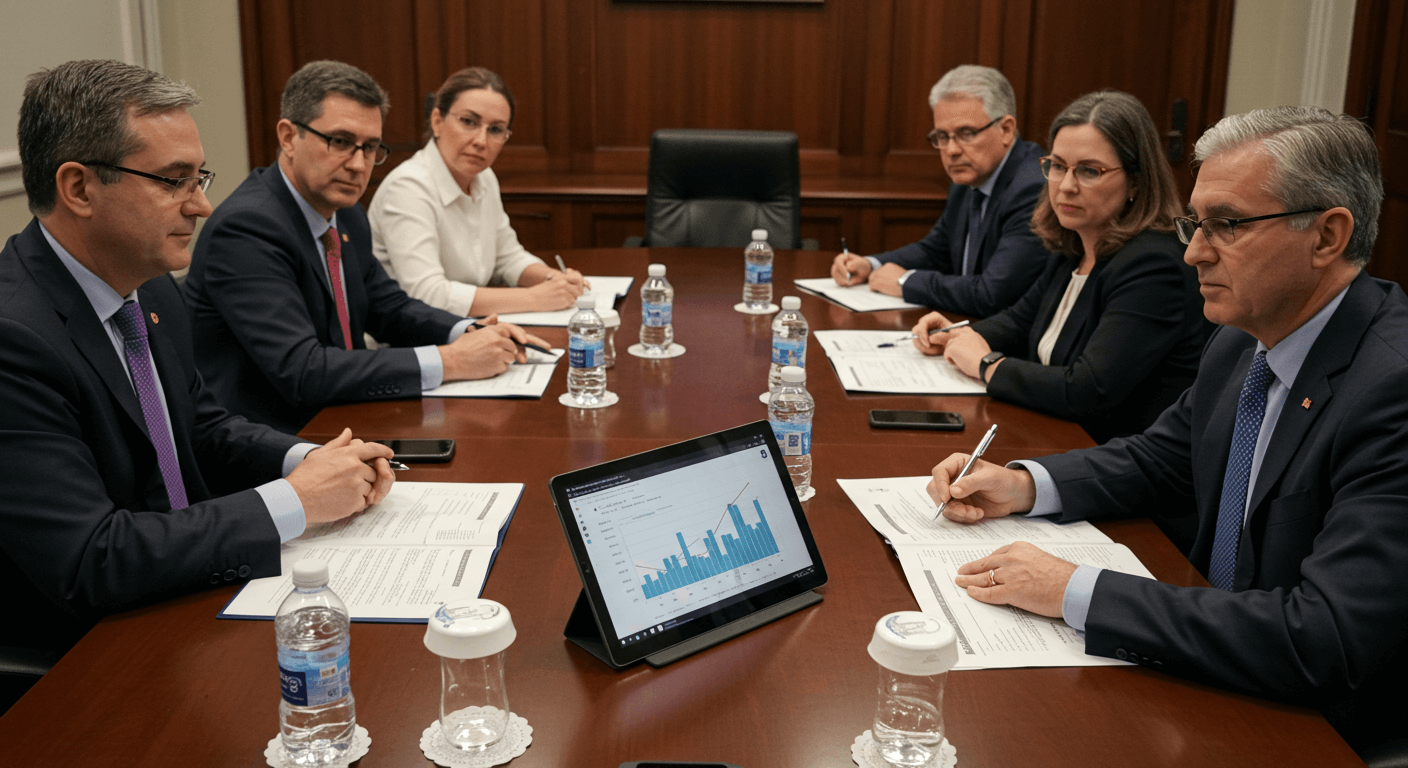
As the digital entertainment industry evolves, so do the tools used by authorities to control access and ensure compliance. Today, governments deploy a wide range of technologies to monitor and restrict unauthorized digital wagering platforms.
One of the primary tools is geolocation technology, which verifies a user's physical location to block access from restricted territories. This tech has become crucial for regulators seeking to enforce domestic restrictions, especially when platforms are hosted overseas. Alongside location tracking, ISP restrictions are implemented to block URLs at the network level, preventing access altogether.
Financial oversight plays a major role, too. Through payment blocking, governments disrupt the flow of funds to and from unlicensed platforms. Credit card networks, banks, and e-wallets are often required to flag or reject money transactions linked to unauthorized activity.
To counter this, many users turn to workarounds like VPN usage, masking their true location to bypass regional firewalls. This cat-and-mouse game complicates enforcement, especially as platforms become increasingly mobile and decentralized. Mobile gambling restrictions, where access is controlled based on app availability and device settings, are another evolving front.
The use of cryptocurrency gambling has added further complexity. Digital currencies enable near-anonymous transactions, making it difficult for regulators to trace or block activity. Unlike traditional financial systems, these platforms often operate outside existing frameworks, requiring a rethinking of policy.
Additionally, regulators enforce KYC requirements to ensure age verification and prevent identity fraud. While some nations focus enforcement efforts on platform operators, others also impose penalties on users, though this is less common.
International cooperation is increasing, with regulatory bodies sharing information and best practices. Still, enforcement challenges persist in a world where technology often outpaces policy. Striking a balance between innovation, user freedom, and legal compliance remains a pressing issue for regulators worldwide.
Countries Where Gambling is Completely Banned
In some regions, gambling prohibitions are absolute, with no legal exceptions for any forms of gambling. These complete bans are often driven by religious restrictions, particularly in nations governed by Islamic law. Under Sharia law, participating in or facilitating games of chance is considered a moral violation, leading many predominantly Muslim countries to outlaw such activities entirely.
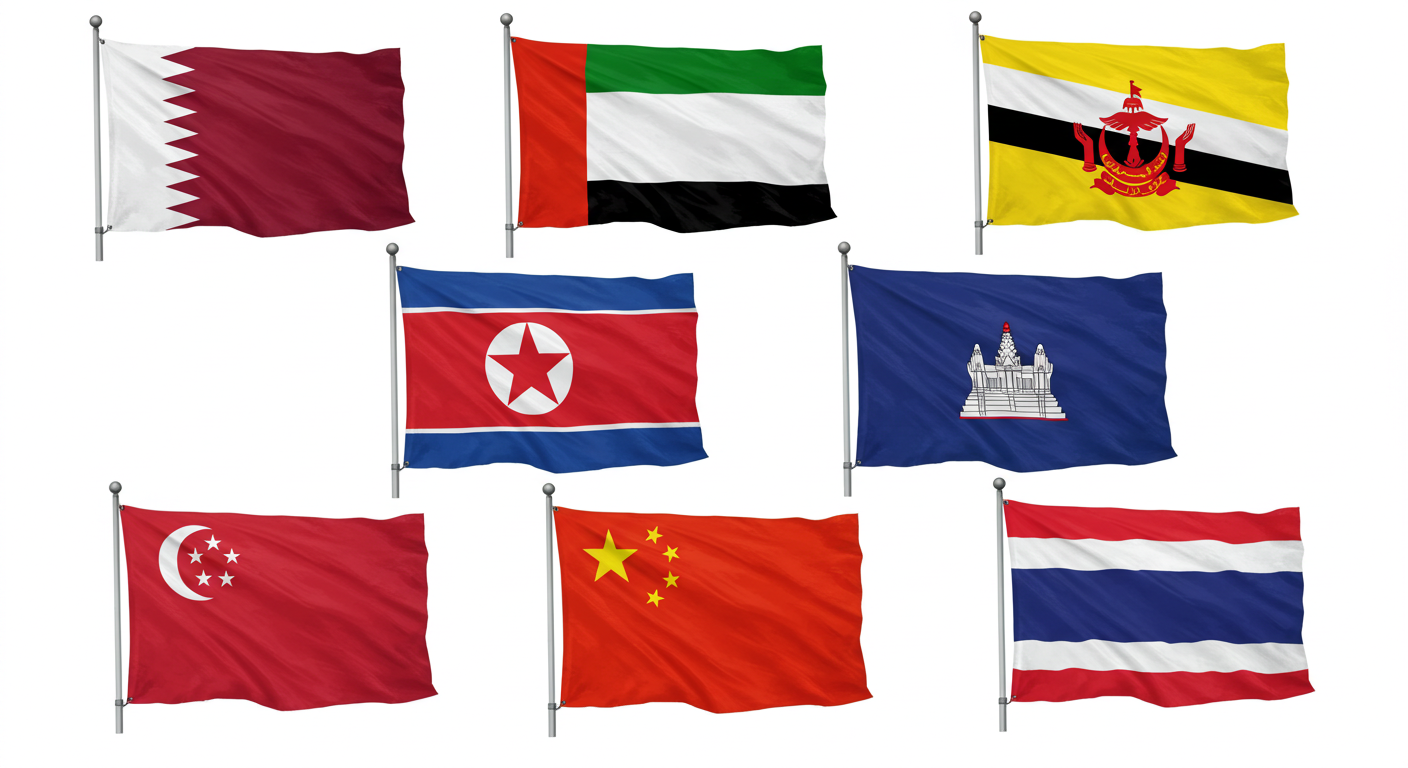
For example, Qatar, the United Arab Emirates, and Brunei have strict zero-tolerance policies rooted in religious doctrine. Engaging in any kind of wagering, whether in-person or digital, is punishable by criminal penalties, including heavy money fines, imprisonment, or even corporal punishment in extreme cases.
Outside of the Middle East, North Korea imposes absolute anti gambling laws on all forms of public wagering, with participation seen as a threat to the ideological purity of its citizens. Similarly, Cambodia has outlawed all local participation in such forms of gambling, although tourism-focused venues sometimes operate in gray zones. Singapore, while modern and highly regulated, maintains prohibitions on unauthorized platforms and requires strict licensing for any exceptions.
Some nations, like China and Thailand, implement broad bans but permit narrow exceptions, such as state-run lotteries. These are often seen as tools for raising public revenue rather than encouraging recreational play.
While the legal language may appear similar across countries, the enforcement of these rules varies significantly. In some places, violations result in public shaming or minor penalties. In others, especially where religious law plays a role, the consequences can be much harsher.
These full-scale prohibitions reflect a deeper cultural and moral stance, one that views wagering not merely as a state-sanctioned issue but as a societal threat to ethical and religious values.
Religious and Cultural Foundations of Gambling Bans
Religious and cultural norms significantly influence legislation surrounding games of chance, especially in societies where spiritual doctrine guides public policy. In the Islamic tradition, the concept of Maisir, referring to unearned wealth through chance, is central to the Islamic gambling prohibition.
This practice is explicitly condemned in the Quran, which views it as a source of discord and moral decay. According to Islamic scholars, engaging in such activities is considered haram (forbidden) and morally destructive to both the individual and the community.
These religious teachings are not just theoretical; they are embedded into judicial systems via Sharia law, which is implemented fully or partially in many countries. Under Sharia, wagering is viewed as undermining productive labor, fostering addiction, wasting money, and disrupting familial and societal responsibilities. As a result, many Islamic nations have translated these spiritual mandates into complete legal bans.
Beyond Islam, Buddhist perspectives also take a firm stance against chance-based pursuits. In Buddhist teachings, such behavior is categorized among the "Four Causes of the Downfall," a group of actions believed to lead one away from enlightenment. From this viewpoint, the pursuit of easy gains through luck distracts individuals from spiritual progress and personal discipline.
Many conservative values, religious or not, also treat wagering as a moral objection, associating it with irresponsibility, greed, money misappropriation, and harm to social cohesion. Christian and Hindu communities in certain regions similarly criticize such practices, invoking scriptures and community standards that discourage reliance on luck over effort.
These moral objections help explain why some states, particularly theocratic or deeply religious ones, take strong legal measures. Their bans are not solely policy decisions but reflections of cultural identity and religious duty.
Countries with Regulated Gambling Markets
Several nations have adopted structured frameworks to oversee digital wagering, creating secure and transparent environments for both operators and participants. These regulated markets rely on official gambling licenses issued by trusted authorities such as the UK Gambling Commission and the Malta Gaming Authority, which are considered benchmarks in European regulation.
Such systems are designed not only to generate tax revenue but also to promote responsible gambling measures that safeguard users from excessive risk. Licensed operators must meet strict requirements, including identity checks, age verification, advertising standards, and tools to support safe play.
Spain, Italy, and Sweden are notable for integrating consumer protection into their oversight models, while Latin American nations like Colombia and Brazil are developing robust frameworks of their own. Eastern Europe, led by countries like Romania and the Czech Republic, is also gaining momentum as a regulated region.
These policies strike a balance between economic opportunity and public welfare. Continuous updates to legislation ensure that new technologies and digital behaviors, such as mobile access and cryptocurrency transactions, are addressed promptly, preserving trust and fairness in the evolving global landscape.
Special Cases and Unique Regulatory Approaches
Across the globe, some jurisdictions adopt unconventional oversight models shaped by history, politics, and cultural values. In the Nordic region, state monopolies dominate the landscape, with governments directly controlling access to wagering platforms to minimize harm and direct proceeds to public causes.
The United States follows a fragmented model, where each state independently regulates or prohibits wagering. resulting in a complex patchwork of rules. Australia permits sports-focused stakes while restricting digital-based play, creating a dual system aimed at curbing risk.
In Macau, play is confined to tightly controlled zones, making it one of the world’s most scrutinized markets. Singapore offers a rare example of integrated resorts operating under limited licenses, ensuring tourism appeal while enforcing strict social safeguards.
These distinct strategies reflect how local values influence oversight and participant experiences.
Countries with Unregulated Gambling Markets
In certain regions, wagering operates in a gray zone, neither explicitly sanctioned nor outlawed. These territories often suffer from regulatory gaps, where legislation remains outdated, unenforced, or absent. As a result, both local and foreign operators take advantage of offshore structures, serving residents without governmental oversight.
Nations with such setups include parts of Africa, Southeast Asia, and Latin America, where unclear statutes or slow-moving reforms create a landscape of legal ambiguity. This environment presents serious challenges for participants, lack of safeguards, dispute resolution mechanisms, and age controls are common.
Operators functioning in these spaces frequently use foreign licensure to maintain a semblance of legitimacy, while enforcement remains minimal or inconsistent. However, global trends are shifting.
As more nations recognize the economic potential and social risks, they’re moving toward formalizing their oversight frameworks. This shift aims to bolster participant security, close legal loopholes, and bring operations under national jurisdiction for taxation and compliance.
Regional Gambling Legislation Overview
Regulations surrounding wagering vary widely across the globe, reflecting deep-rooted cultural, political, and economic influences. Europe stands out for its structured and liberal approach, with countries like the UK, Spain, and the Netherlands offering well-regulated environments supported by licensing bodies and strict oversight.
In contrast, many Asian nations adopt highly restrictive frameworks. Nonetheless, major hubs like Macau and select areas in the Philippines operate as controlled enclaves under tight supervision. Africa presents a mixed landscape: some nations have detailed statutes in place, while others leave participation largely unmonitored.
North America shows sharp contrasts; Canada and individual U.S. states set their own policies, leading to a patchwork of models and standards. Meanwhile, South American countries such as Colombia and Argentina are moving toward greater clarity and enforcement. Oceania, led by Australia and New Zealand, has established mature supervisory structures that continue to evolve with emerging digital platforms and cross-border participation.
Conclusion
The global landscape of anti gambling laws reflects a tapestry of historical roots, moral frameworks, and modern governance. From stringent bans rooted in religious doctrine to liberalized frameworks that balance entertainment with social safeguards, each region offers a unique approach.
As more nations shift toward structured oversight, transparency, and player protection increasingly take center stage. While some territories remain in legal limbo, global trends suggest a steady move toward accountability.
For those interested in how these frameworks impact platforms and users alike, plg.bet offers deeper insights into evolving practices across jurisdictions.
