Counter-Strike 2 (CS2) is the latest evolution of the legendary tactical shooter, bringing enhanced graphics and refined mechanics to gameplay. One of the most crucial skills in CS2 is mastering smokes and nades in cs2, which provide essential advantage and area control. This comprehensive guide will teach you how to practice smokes in cs2 effectively, covering everything from basic console instructions to advanced tournament techniques. Whether you want to practice smoke lineups for the first time or perfecting your execution, this training session guide will help you gain a significant advantage in competitive cs2 matches.

Understanding CS2 Smoke Mechanics
CS2 mechanics have evolved significantly from the former CS:GO, offering enhanced visual effects and improved tactical applications. Understanding these fundamentals is crucial for competitive cs2 success. When you want to practice effective utility usage, learning nades in cs2 becomes essential for controlling map areas. The improved dynamics provide more realistic dispersion patterns and enhanced opacity, making them even more valuable for executing coordinated approaches.
Effective usage requires understanding coordination, placement, and team synchronization. In tournament gameplay, well-placed barriers can deny information to opponents, facilitate safe rotations, and create opportunities for site executions. The key to mastering lies in learning exact reference points and developing consistent deployment techniques that work perfectly every time. CS2's enhanced engine provides better visual feedback, making it easier to learn how to practice advanced tactical methods efficiently.
Essential CS2 Smoke Practice Commands
To set up effective CS2 training, follow these steps for optimal preparation. First, enable developer console through your game settings if it's not already activated – once console enabled, you can access advanced training features for nade practice.
- Open CS2 and navigate to the main menu.
- Click "Play" and select "Training" mode.
- Choose your desired training map (Dust 2, Mirage, or Inferno work well for beginners).
- Once loaded, activate the developer interface by pressing the tilde key (~).
- If the interface isn't active, enable developer console through game settings first.
Enter these essential commands in cs2 for comprehensive training setup. When you have time to practice, copy and paste these instructions directly into your interface/
Core Training Setup:
sv_cheats 1
sv_grenade_trajectory 1
sv_grenade_trajectory_time 10
sv_grenade_trajectory_prac_pipreview 1
Additional Configuration:
sv_infinite_ammo 1
mp_warmup_end
mp_autoteambalance 0
mp_buy_anywhere 1
mp_roundtime_defuse 60
mp_roundtime 60
mp_startmoney 50000
mp_maxmoney 50000
mp_freezetime 0
mp_buytime 9999
ammo_grenade_limit_total 5
bot_kick
Now select tactical equipment from your inventory and begin rehearsing deployments. The enhanced grenade camera in CS2 provides superior visual feedback compared to the former CS:GO system.
How Does It Work?
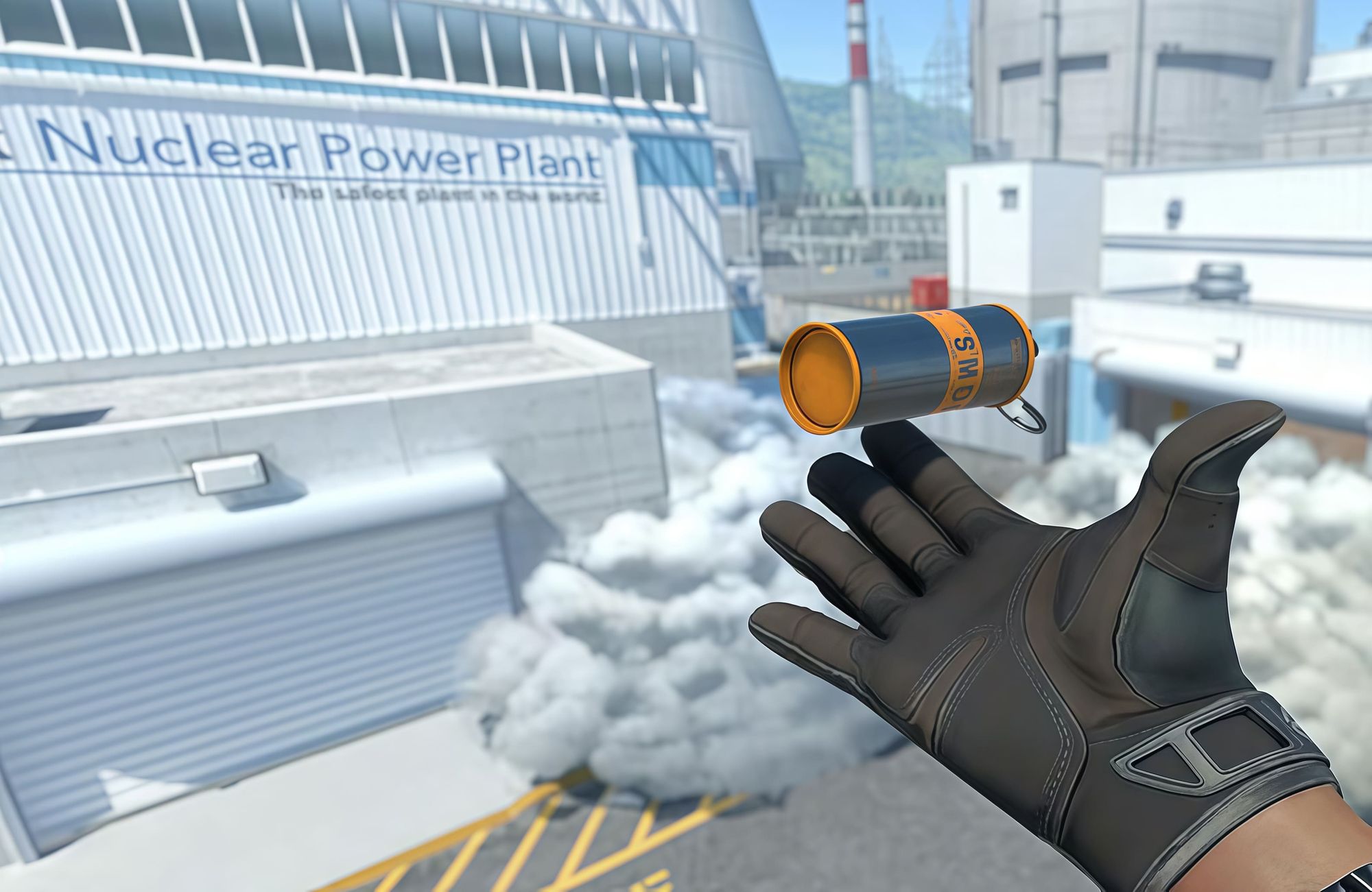
These inputs create an optimal learning environment for rehearsing tactical equipment in CS2. The preparation setup allows exact tactical training through enhanced visualization tools. Understanding how each instruction functions helps optimize your training session efficiency.
The sv_cheats 1 instruction activates cheat mode, essential for accessing advanced training features. This allows all trajectory visualization and equipment tools needed for effective learning.
The sv_grenade_trajectory 1 instruction activates camera functionality, displaying the exact path your grenade will follow. To enable the grenade camera effectively, this visual feedback becomes crucial for learning how to execute precise lineup techniques using reference points. You can also enable grenade trajectory features for enhanced cs2 nade visualization.
The sv_grenade_trajectory_time 10 instruction sets trajectory display duration, giving you adequate time to analyze and adjust your deployments. This extended visualization helps develop muscle memory for consistent execution.
CS2's new sv_grenade_trajectory_prac_pipreview 1 feature provides enhanced trajectory preview, showing exactly where your grenade will land before deployment. This innovation makes practice makes perfect approach more achievable than ever.
Basic Smoke Throws for Beginners
Learning smokes begins with mastering fundamental throw techniques using static reference points. For beginners who want to practice grenades in cs2, focus on simple lineup methods that use easily identifiable map features like building corners, texture lines, or prominent landmarks. These reference points ensure consistent placement regardless of slight variations.
Start with essential spots on popular maps like Dust 2's Xbox barrier or Mirage's Connector obstruction. These beginner-friendly lineups use clear visual markers and forgiving throw windows. When practice smokes and nades become part of your routine, align your crosshair on specific reference points, position your character exactly, and rehearse the same throw repeatedly until muscle memory develops.
Key Beginner Techniques:
- Use static reference points like building edges or texture seams.
- Rehearse crosshair alignment before each throw.
- Focus on 2-3 essential spots per map initially.
- Develop consistent stance and placement habits.
- Rehearse both standing and moving throws.
- Master coordination for synchronized team executions.
Remember that practice makes perfect – spend time rehearsing each lineup until you can execute it efficiently under pressure. Start with simpler throws before progressing to advanced techniques like jump tosses or running deployments.
Advanced Smoke Lineups for Competitive Play
Tournament CS2 demands mastery of complex tactical approaches that provide maximum advantage. Advanced players must learn jump tosses, running deployments, and exact lineups that can adapt to various round situations. These sophisticated techniques require extensive training session dedication but offer significant advantages.
Jump tosses combine exact coordination with specific key setups to achieve consistent high-trajectory deployments. These advanced lineups often provide better angles and coverage than standard throws. Running deployments allow for dynamic deployment while maintaining flexibility during executions.
Advanced Techniques Include:
- Jump toss setups for consistent high-arc deployments.
- Running tosses for mobile deployment.
- One-way setups for information advantages.
- Retake-specific combinations.
- Anti-eco round adaptations using utility like flash and molotov.
- Site-specific execution deployments.
- Mid-round adaptation tosses that boost team coordination.
Professional players typically master 5-7 key spots per map, focusing on versatile lineups that work in multiple tactical situations. Understanding when to improvise standard lineups based on enemy placement separates good players from exceptional ones.
The key to advanced play is developing tactical flexibility – knowing multiple ways to obstruct the same area and adapting based on round context and enemy movements. This strategy requires understanding both individual placement and team coordination.
Map-Specific Smoke Strategies
Each map in the active duty pool requires specific knowledge for tournament success. Understanding map-specific callouts, common angles, and optimal placements gives teams substantial tactical advantages.
Dust 2 Tactical Approaches:
- Long A barrier for A-site takes.
- Catwalk obstruction for mid control.
- B tunnels barrier for B executions.
- Xbox obstruction for connector control.
- CT spawn barriers for retakes.
Mirage Combinations:
- Connector barrier for mid control.
- Jungle obstruction for A-site executions.
- Palace barrier for A takes.
- Apartments obstruction for B approaches.
- CT spawn barriers for rotations.
Inferno Essential Placements:
- Banana barrier for B control.
- Balcony obstruction for A-site takes.
- Arch barrier for mid map control.
- Pit obstruction for A executions.
- Newbox barrier for site retakes.
Nuke Advanced Setups:
- Secret barrier for lower tunnels.
- Yard obstruction for outside control.
- Upper tunnels barrier for A takes.
- Ramp obstruction for site approaches.
Learning these map-specific approaches requires understanding each location's unique geometry and common engagement angles. Focus on mastering 3–4 essential placements per map before expanding to specialized situations.
Grenade Trajectory Visualization in CS2
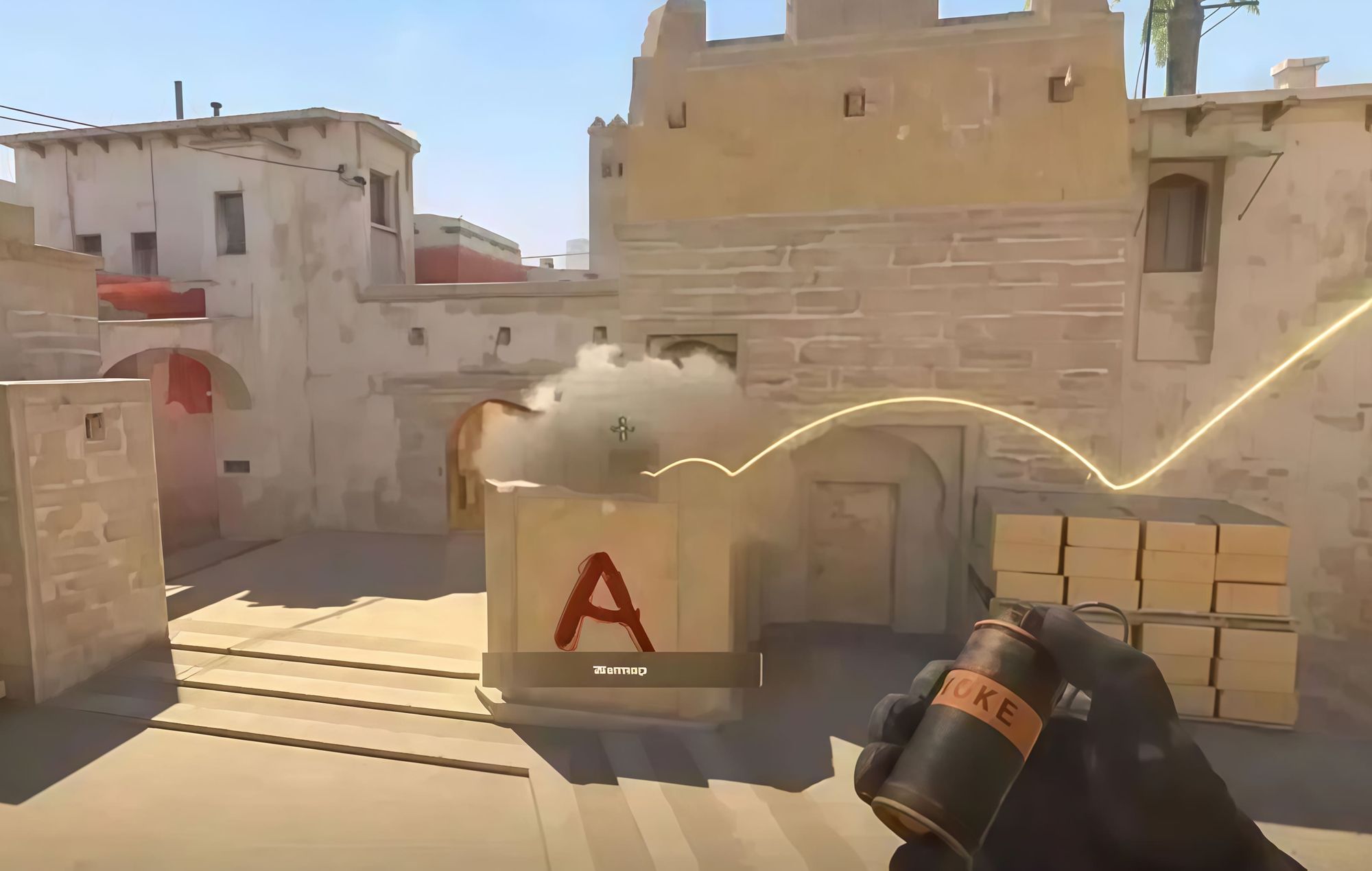
CS2 introduces enhanced grenade trajectory visualization that revolutionizes how players learn equipment usage. The new grenade camera system provides superior visual feedback compared to former CS:GO implementations.
The instruction sv_grenade_trajectory_prac_pipreview 1 activates CS2's advanced preview system, showing exactly where your grenade will land before release. This feature dramatically reduces training time needed to master complex lineups.
Enhanced Visualization Features:
- Real-time trajectory preview before deployment.
- Impact point indicators for precise placement.
- Bounce prediction for complex tosses.
- Enhanced visual clarity for better learning.
- Improved trajectory thickness and visibility.
The grenade camera functionality helps players understand physics principles behind successful deployments. This scientific approach to learning makes training session time more efficient and effective.
Using trajectory visualization efficiently requires systematic rehearsal approach – deploy the same lineup multiple times while observing the path, then rehearse without visual aids to develop muscle memory.
Learning Resources and Smoke Lineups
Dedicated learning resources accelerate mastery and provide access to community-tested setups. Professional players and content creators share extensive libraries of proven approaches through specialized platforms.
Recommended Learning Platforms:
- CSNades.GG – Comprehensive database of community-submitted setups.
- CS2.app – Interactive map tools with exact lineup instructions.
- YouTube tutorials from professional players.
- Steam Workshop training maps.
- Community Discord servers for tactical discussions.
These resources provide visual guides, video demonstrations, and step-by-step instructions for executing complex lineups. Many include inputs and custom maps designed specifically for equipment training.
Stay updated with meta changes and new lineup discoveries by following tournament CS2 scene developments. Professional matches often showcase innovative usage that becomes standard approach.
Practicing Smokes with Teams
Team training develops essential coordination skills required for tournament success. Coordinated executions require exact synchronization, clear communication, and understanding of each player's tactical role during equipment usage.
Team Training Essentials:
- Synchronized deployment coordination for site executions.
- Clear callouts for equipment coordination.
- Role-specific responsibilities.
- Backup plans when primary setups fail.
- Communication protocols during executions.
Training sessions with teammates should focus on realistic round situations rather than isolated equipment deployments. Simulate actual game conditions including time pressure, economy constraints, and opponent counter-approaches.
Effective team coordination means every player understands not just their own equipment responsibilities, but also how their barriers complement teammates' approaches. This tactical knowledge allows real-time adaptations during tournament matches.
Applying Smokes in Real Match Scenarios
Transitioning from training setup to tournament application requires understanding how to adapt standard setups for dynamic match situations. Real matches present variables that training sessions cannot fully replicate.
Match Application Methods:
- Reading opponent placement to modify standard deployments.
- Adapting coordination based on team synchronization.
- Improvising when standard reference points are compromised.
- Making quick decisions under round time pressure.
- Coordinating with team equipment for maximum impact.
Successful tournament application means developing tactical flexibility beyond memorized setups. Players must learn when to deviate from standard deployments and how to create effective barriers using alternative reference points.
The ability to improvise effectively separates players who simply memorize setups from those who truly understand mechanics and map geometry.
Advanced CS2 Practice Commands and Server Setup
Advanced training requires sophisticated input combinations and server configurations for optimal learning environments. These enhanced setup options provide professional-level training capabilities.
Advanced Training Configuration:
// Enhanced Trajectory Visualization
sv_grenade_trajectory_prac_pipreview 1
sv_grenade_trajectory_time 20
sv_grenade_trajectory_thickness 2
sv_showimpacts 1
sv_showimpacts_time 10
// Equipment Training Controls
bind "mouse3" "noclip"
bind "mouse4" "cl_sim_grenade_trajectory"
bind "mouse5" "give weapon_smokegrenade"
// Advanced Training Setup
cl_showpos 1
sv_regeneration_force_on 1
sv_infinite_ammo 2
sv_grenade_trajectory_dash 1
Jump Throw Setup:
alias "+jumpthrow" "+jump;-attack"
alias "-jumpthrow" "-jump"
bind "mouse5" "+jumpthrow"
These controls allow consistent jump throw execution essential for advanced tournament lineups. The jump throw setup ensures identical coordination and trajectory for precise placement.
Create Training Config File:
- Create a config file named "smoke_training.cfg".
- Add all essential training instructions.
- Save in CS2 config folder: \Steam\steamapps\common\Counter-Strike Global Offensive\game\csgo\cfg\.
- Execute with: exec smoke_training.
When playing the game regularly, having a dedicated config saves time and ensures consistent training setup. This approach streamlines your preparation process and allows you to focus on using utility effectively during training sessions.
Common Smoke Practice Mistakes to Avoid
Understanding typical learning errors helps accelerate mastery and prevents development of bad habits that hinder tournament performance.
Frequent Training Mistakes:
- Training only in ideal conditions without time pressure.
- Memorizing setups without understanding underlying principles.
- Focusing on complex deployments before mastering basics.
- Neglecting team coordination aspects of equipment usage.
- Not rehearsing adaptation when reference points change.
- Insufficient time rehearsing each lineup until consistent.
- Ignoring the importance of crosshair placement accuracy.
Best Methods for Effective Learning:
- Rehearse under various conditions including time pressure.
- Understand the tactical purpose behind each barrier.
- Master fundamental deployments before advancing to complex techniques.
- Include team coordination in training sessions.
- Learn multiple lineup variations for each spot.
- Maintain consistent training session schedule.
- Focus on muscle memory development through repetition.
Avoiding these common mistakes ensures more efficient skill development and better tournament application of rehearsed techniques.
Setting Up Your Own CS2 Practice Server
Creating dedicated training environments provides optimal learning conditions for solo and team preparation. Private environments offer complete control over training conditions and advanced customization options.
Environment Setup Options:
Option 1: Local Training Environment
- Launch CS2 and click "Play".
- Select "Training" mode.
- Choose desired map.
- Activate interface and execute training instructions.
- Invite friends through Steam for team preparation.
Option 2: Dedicated Training Server
- Use CS2 hosting services.
- Configure server with training-optimized settings.
- Install workshop maps for specialized preparation.
- Set up persistent configurations for regular use.
Workshop Map Integration:
- Access Steam Workshop for CS2 training maps.
- Subscribe to popular equipment training maps.
- Download community-created preparation environments.
- Use specialized maps for specific skill development.
Server Configuration:
// Basic Server Setup
sv_lan 1
sv_cheats 1
mp_roundtime_defuse 60
mp_freezetime 0
mp_autoteambalance 0
mp_limitteams 0
// Equipment Training Optimization
sv_infinite_ammo 1
sv_regeneration_force_on 1
ammo_grenade_limit_total 5
mp_buy_anywhere 1
Private environments allow infinite warmup time and complete customization for specific training objectives. This setup allows teams to rehearse coordination without round time constraints. The bot removal feature ensures cleaner training sessions focused on pure skill development. Valve's official training maps provide an excellent foundation for learning fundamental techniques.