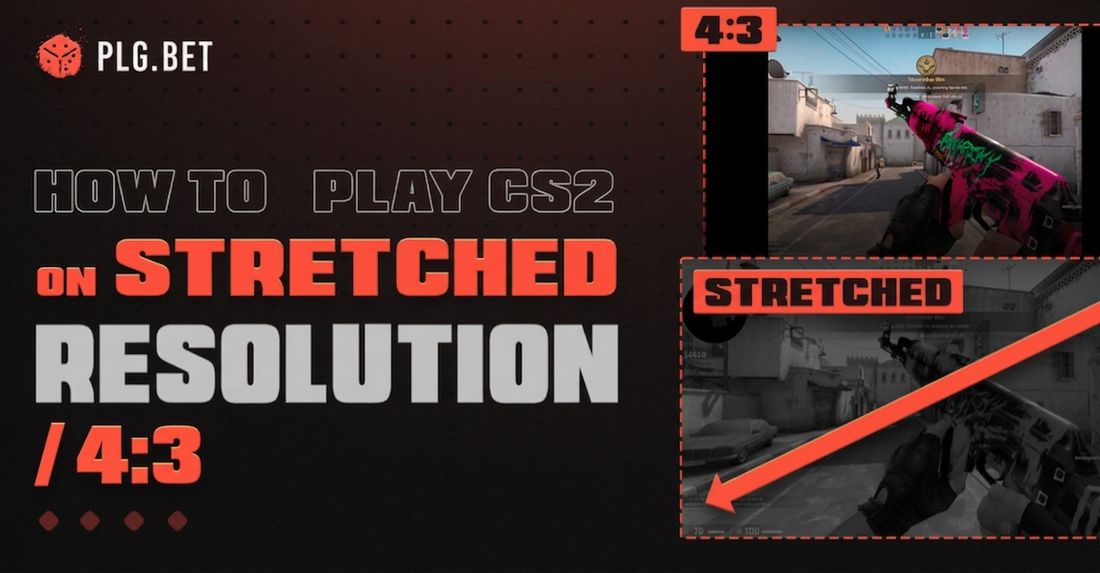
Counter-Strike 2 replaced CS:GO in September 2023, bringing the Source 2 engine but keeping the same resolution flexibility that competitive players rely on. According to Profilerr data across 645 top-ranked CS2 players, 346 (54%) run 4:3 stretched Perfilrr, making it the dominant aspect ratio in the professional scene. This guide explains how to configure 4:3 stretched resolution on CS2 using Intel, AMD, or Nvidia GPU settings. The setup process is identical for CS:GO (legacy) and CS2.
What's resolution?
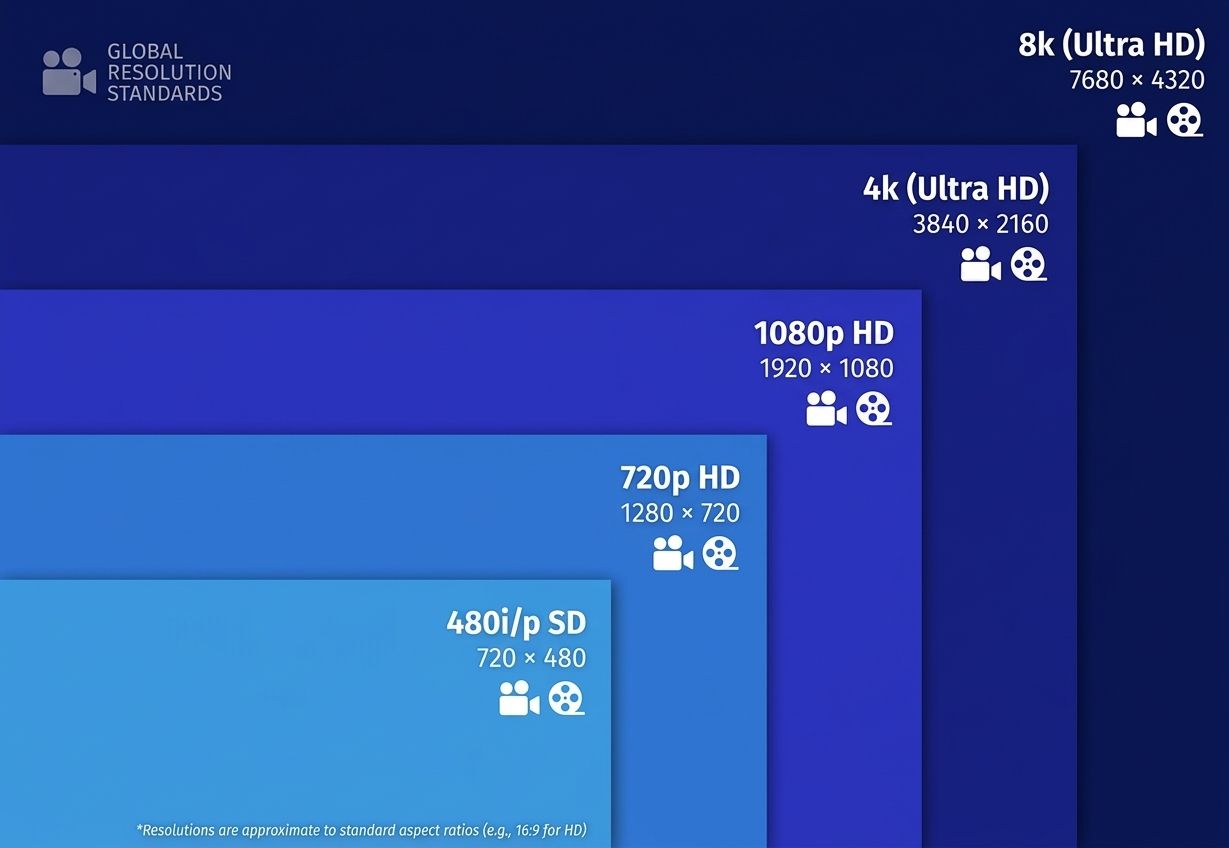
Resolution describes the width and height of a monitor screen, measured in pixels (px). Full HD, 1080p, and 1920x1080 all refer to the same standard: 1920 px wide and 1080 px tall.
Counter-Strike 2 runs on the Source 2 engine, which renders lighting, textures, and geometry at a higher fidelity than CS:GO's original engine. Higher resolution captures more of that detail, but also increases GPU workload per frame, which can reduce frame rate.
You don't need a premium display to play CS2 effectively. Both 720p and 1080p monitors support competitive play, and 1440p panels are increasingly common among players who prioritize visual clarity at high frame rates.
What's an aspect ratio?
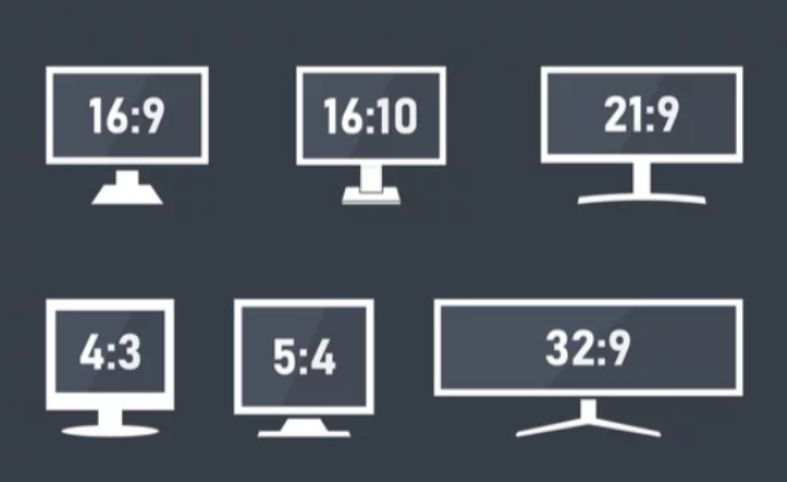
An aspect ratio (AR) describes how the width and height of an image relate to each other. Take 1920x1080 and express it as a fraction: 1920/1080. Divide both numbers by 10 to get 192/108, then by 6 to get 32/18, then by 2 to reach 16/9. No number divides both 16 and 9 without a remainder, so 16:9 is the final result and the most common aspect ratio today.
Counter-Strike 2 supports three aspect ratio types: Normal (4:3), Widescreen (16:9), and Widescreen (16:10). Some players also use 21:9 ultrawide monitors, but CS2 does not natively support 21:9 as a menu option. Ultrawide users must force it through GPU control panel settings or launch options.
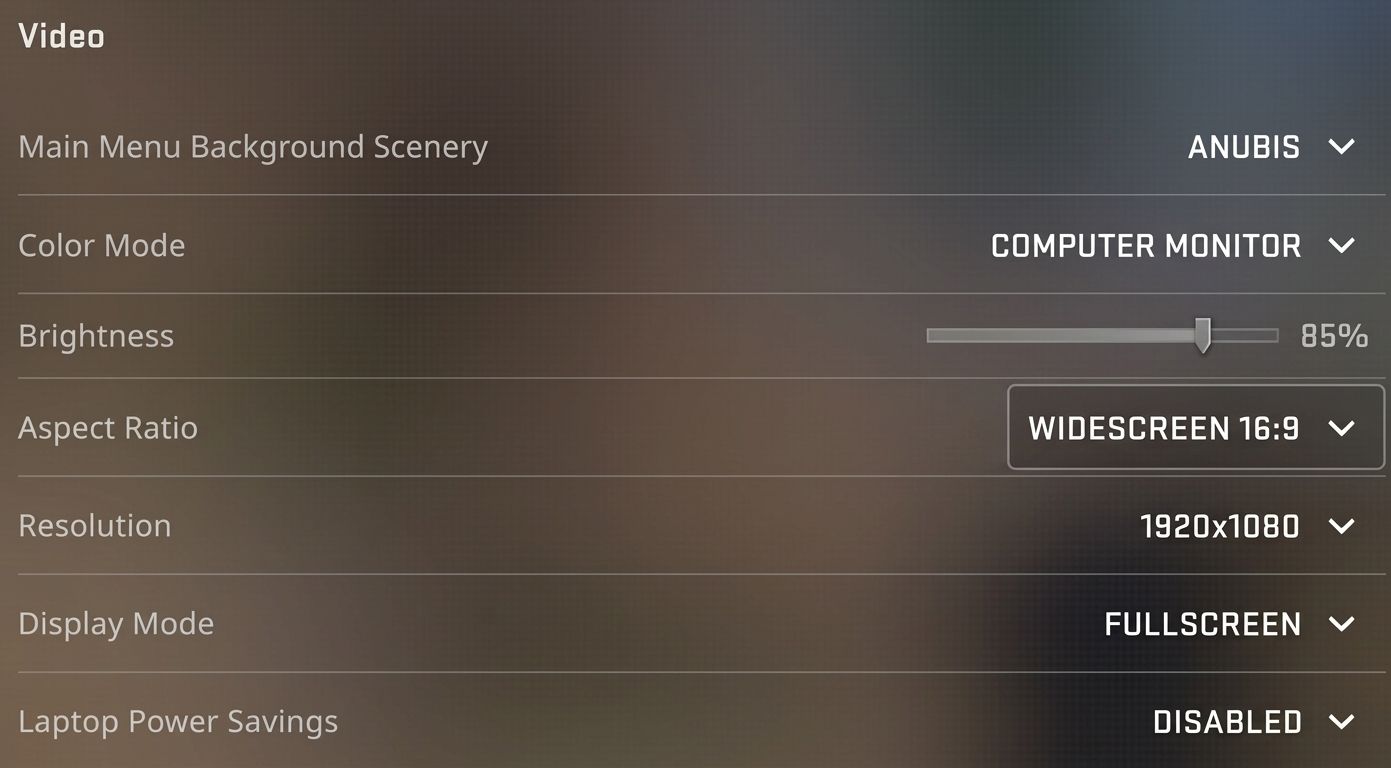
Each aspect ratio supports specific resolutions. The table below lists CS2-compatible resolutions for the 4:3 Normal aspect ratio, split into common and uncommon categories.
| Res Type | Values |
|---|---|
| Common |
640x480, 800x600, 960x720, 1024x768, 1280x960, 1400x1050, 1440x1080, 1600x1200, 1920x1440 |
| Uncommon |
384x288, 512x384, 832x624, 1152x864, 1792x1344, 1856x1392, 2048x1536, 2304x1728, 2560x1920 |
Some uncommon resolutions may require custom GPU settings to activate in CS2.
To play CS2 in stretched mode, set the aspect ratio to Normal (4:3) and select your target resolution. Black bars may appear until you configure GPU scaling. The following sections cover how to remove them for Intel, AMD, and Nvidia graphics cards.
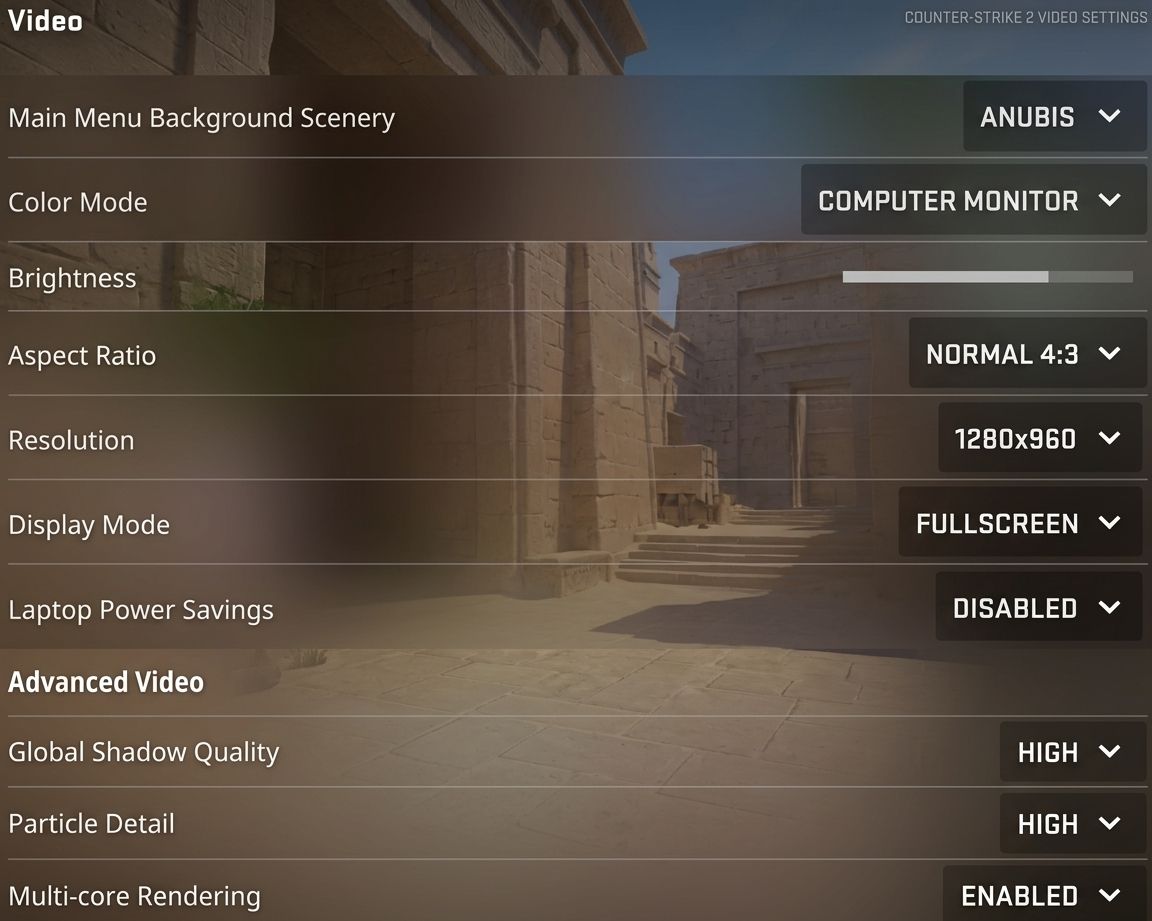
Professional players use different aspect ratios based on personal preference built over thousands of matches. The 4:3 aspect ratio is one configuration option and does not guarantee a competitive advantage on its own.
Why use stretched resolution?
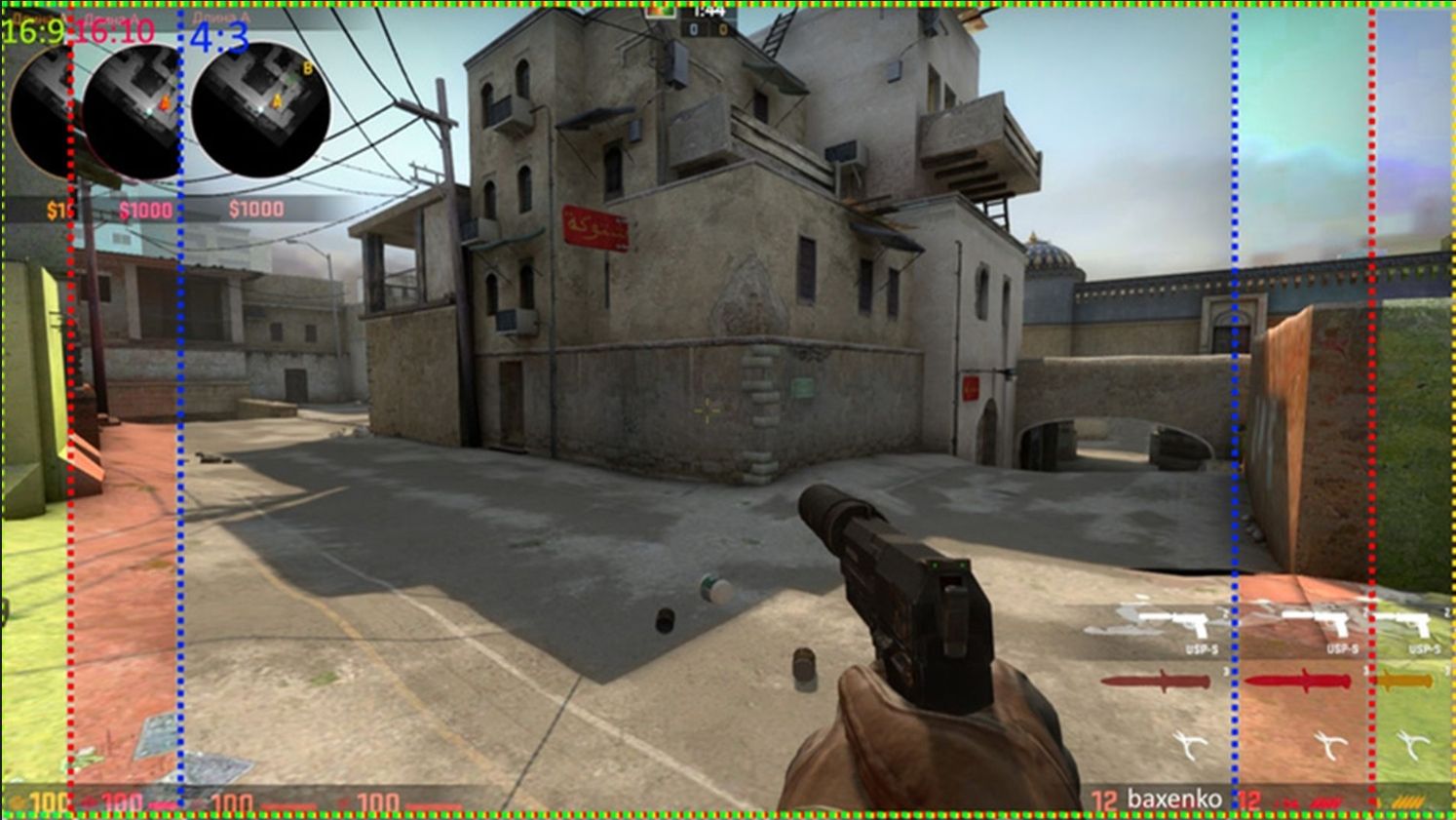
The 4:3 aspect ratio compresses the horizontal field of view, which produces two practical effects. Enemy models appear wider, making them easier to track and hit. The narrower viewport also reduces visual noise on screen edges, improving crosshair focus during duels.
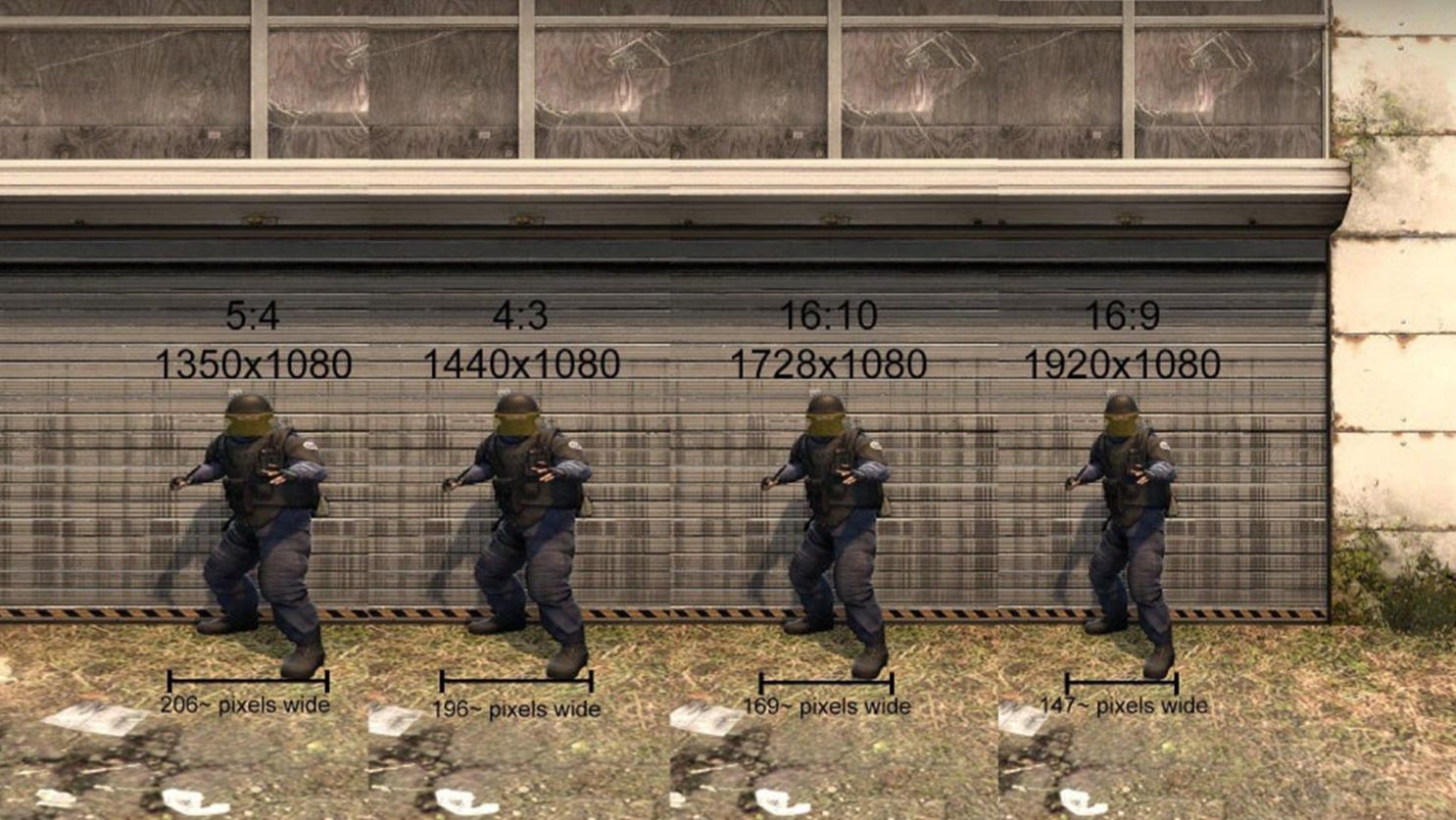
Frame rate is a secondary benefit. A graphics card renders fewer pixels at 1280x960 than at 1920x1080, which reduces GPU workload and increases frames per second. Players on mid-range hardware often gain 20-40% more FPS by switching to a 4:3 stretched resolution.
Stretched resolution is not objectively better. CS2's Source 2 engine renders noticeably higher-quality lighting and textures than CS:GO's original engine, and the visual degradation from stretching is more apparent in CS2 as a result. FOV loss is also a real disadvantage: you see less map coverage on screen, which affects awareness on open angles and long sightlines.
Players migrating from CS:GO to CS2 retain their existing muscle memory on 4:3. Recoil patterns and crosshair movement feel consistent across both versions at the same resolution, which removes one adjustment variable during the transition.
| Pros | Cons |
|---|---|
|
Larger enemy models, better FPS, improved crosshair focus |
Reduced FOV, lower visual quality, faster perceived movement |
Stretched vs Black Bars vs Native: Which Should You Choose?
Three display configurations are available in CS2: 4:3 stretched, 4:3 black bars, and 16:9 native. Each option trades field of view, target size, and visual quality differently.
| Feature | 4:3 Stretched | 4:3 Black Bars | 16:9 Native |
|---|---|---|---|
| FOV | Narrow | Narrow | Wide |
| Target Size | Larger | Normal | Normal |
| Visual Quality | Lower | Normal | Highest |
The right choice depends on playstyle and hardware. Players who prioritize target acquisition in close-range duels benefit most from 4:3 stretched. Players who want reduced visual noise without image distortion should try 4:3 black bars. Players on high-end hardware who rely on map awareness and long-range sightlines perform better on 16:9 native.
How to stretch resolution on CS2?
The resolution stretching process involves changing the settings of the game and your graphics card. Let's take a closer look at the steps for devices from different brands.
Stretch the Resolution on Intel
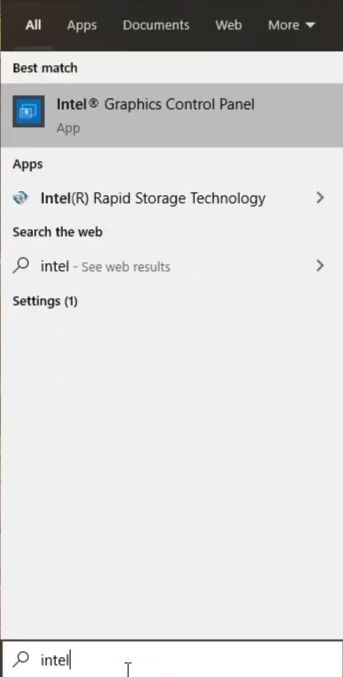
- Open the Windows search bar and type Intel.
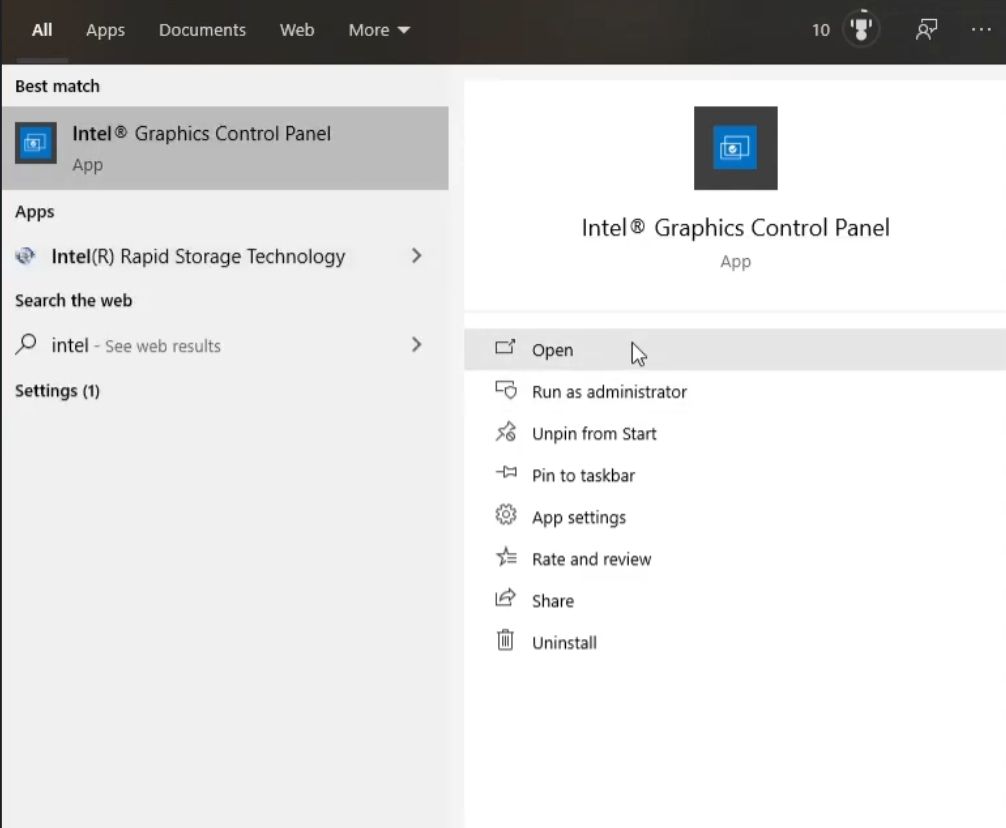
- Open Intel Graphics Control Panel.
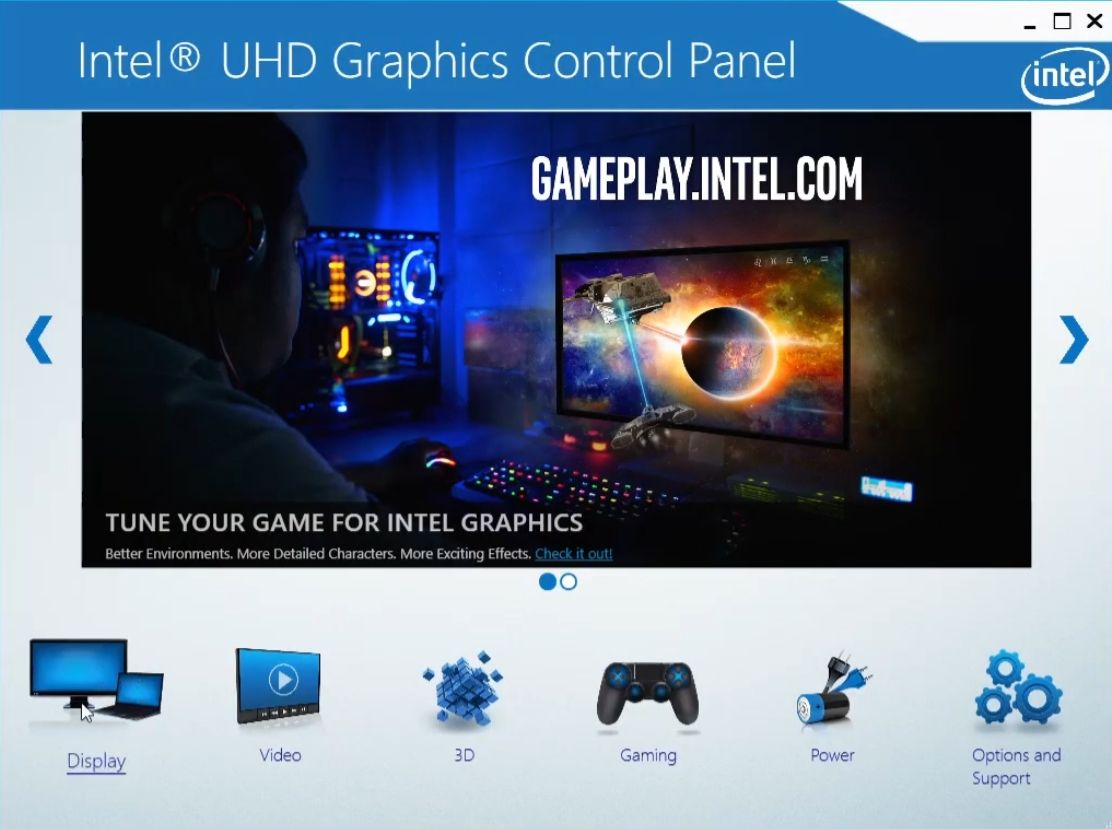
- Click Display.
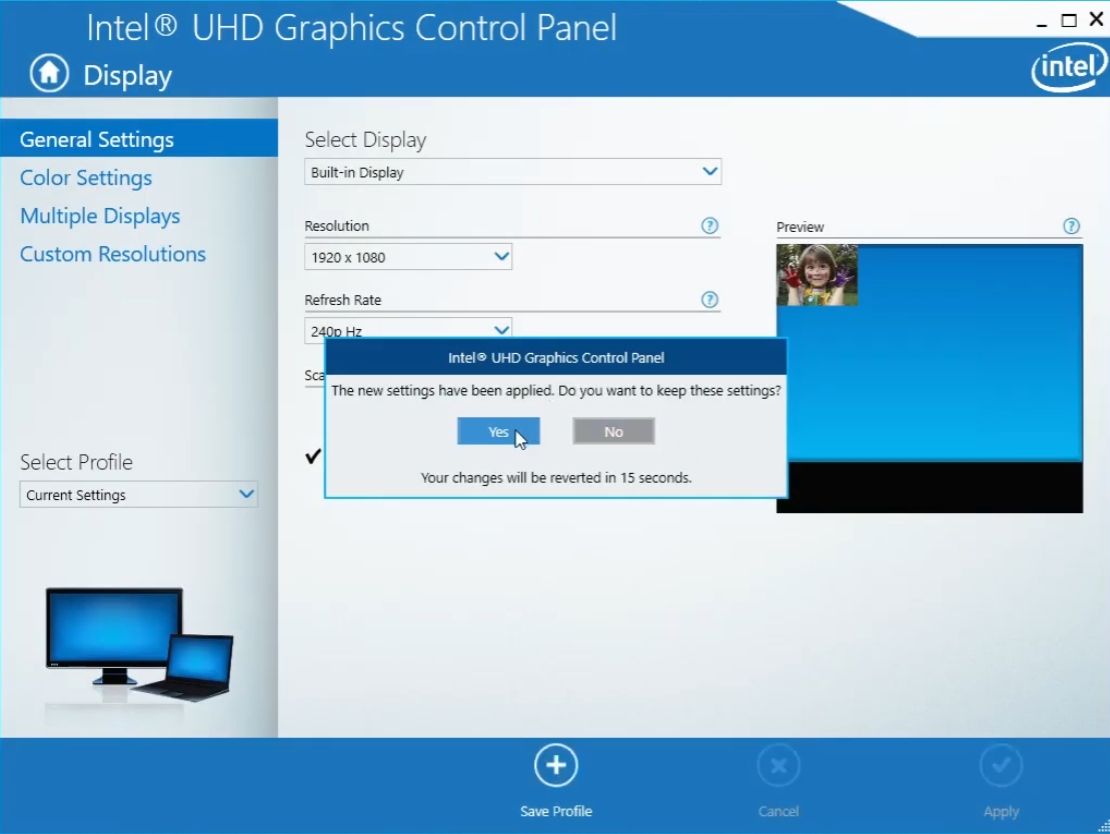
- Click Scale Full Screen.
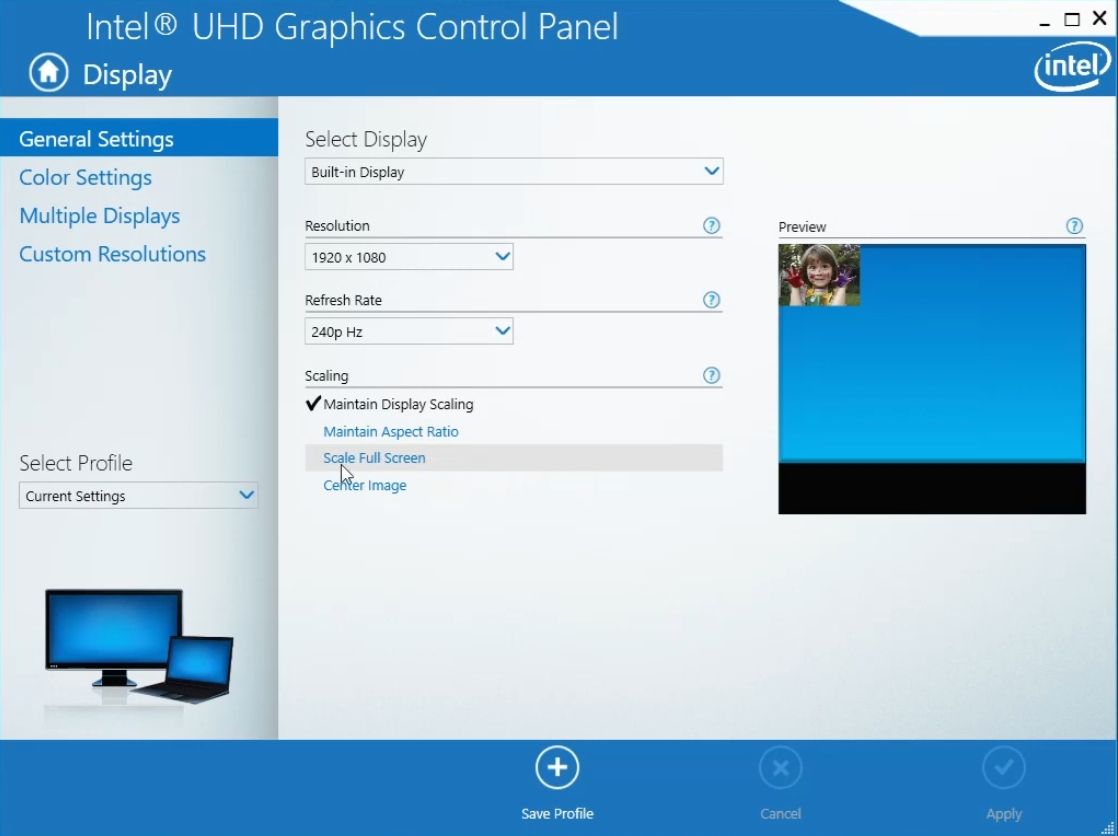
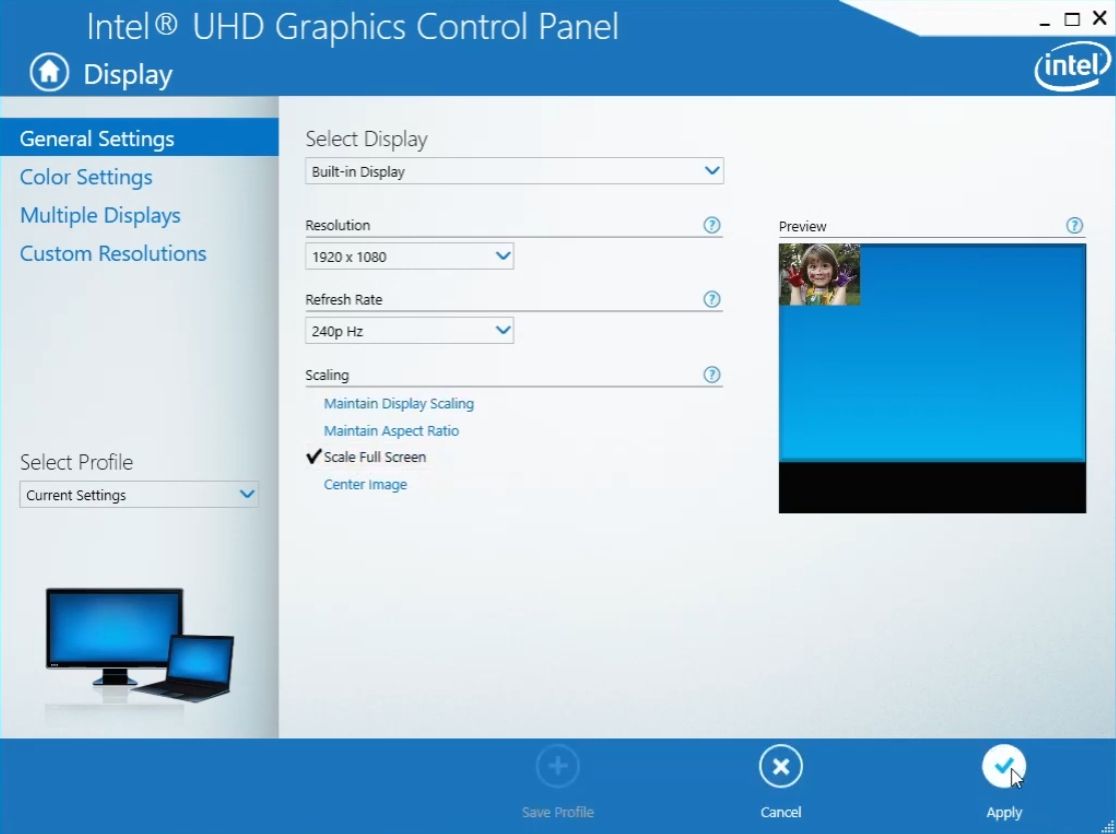
- Click Apply, then Yes. This setting prevents black bars from appearing on the desktop.
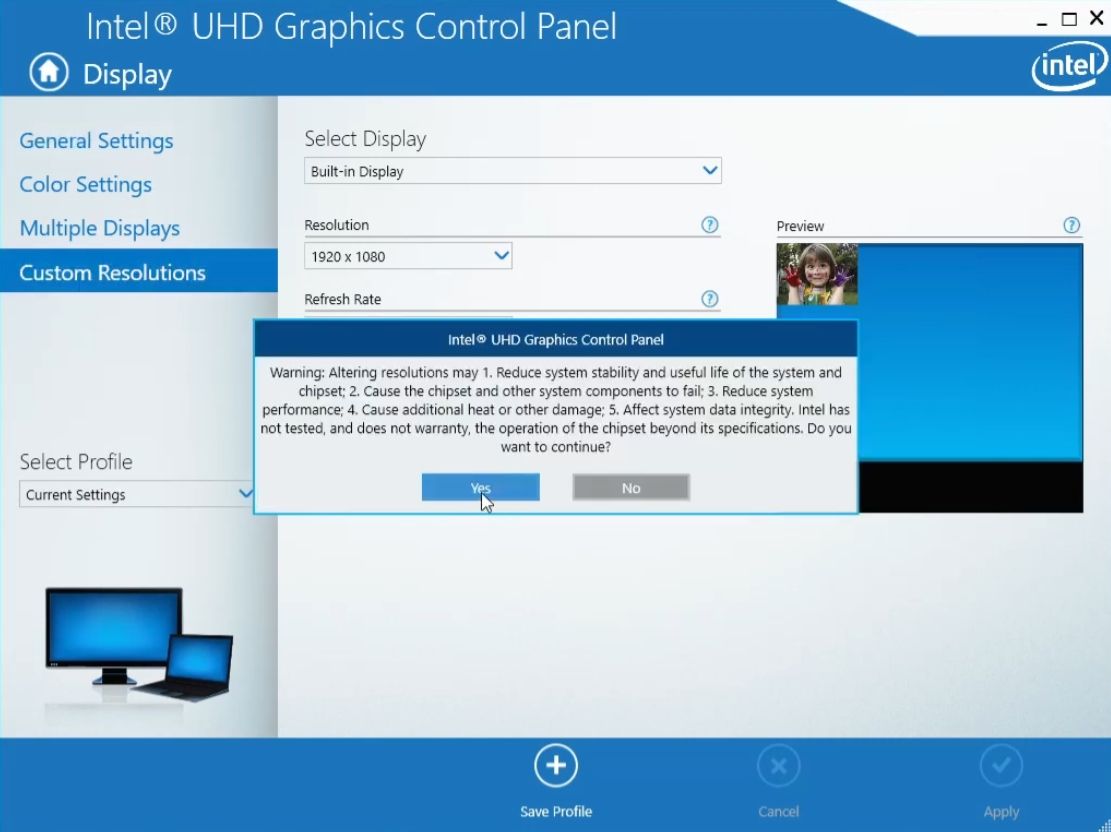
- Click Custom Resolutions, then click Yes to accept the disclaimer.
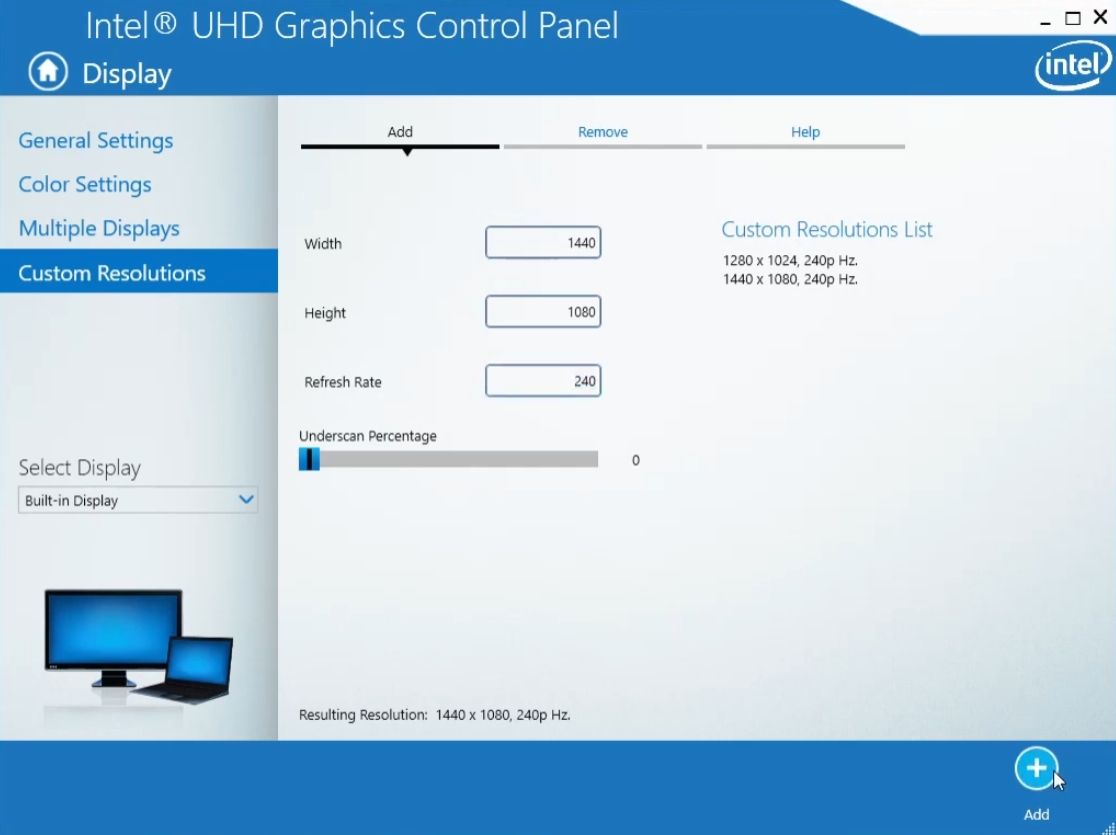
- Enter your target Width, Height, and Refresh Rate. Click Add. The resolution must match a 4:3 aspect ratio — for example, 1440x1080.
- Right-click the desktop and select Display Settings.
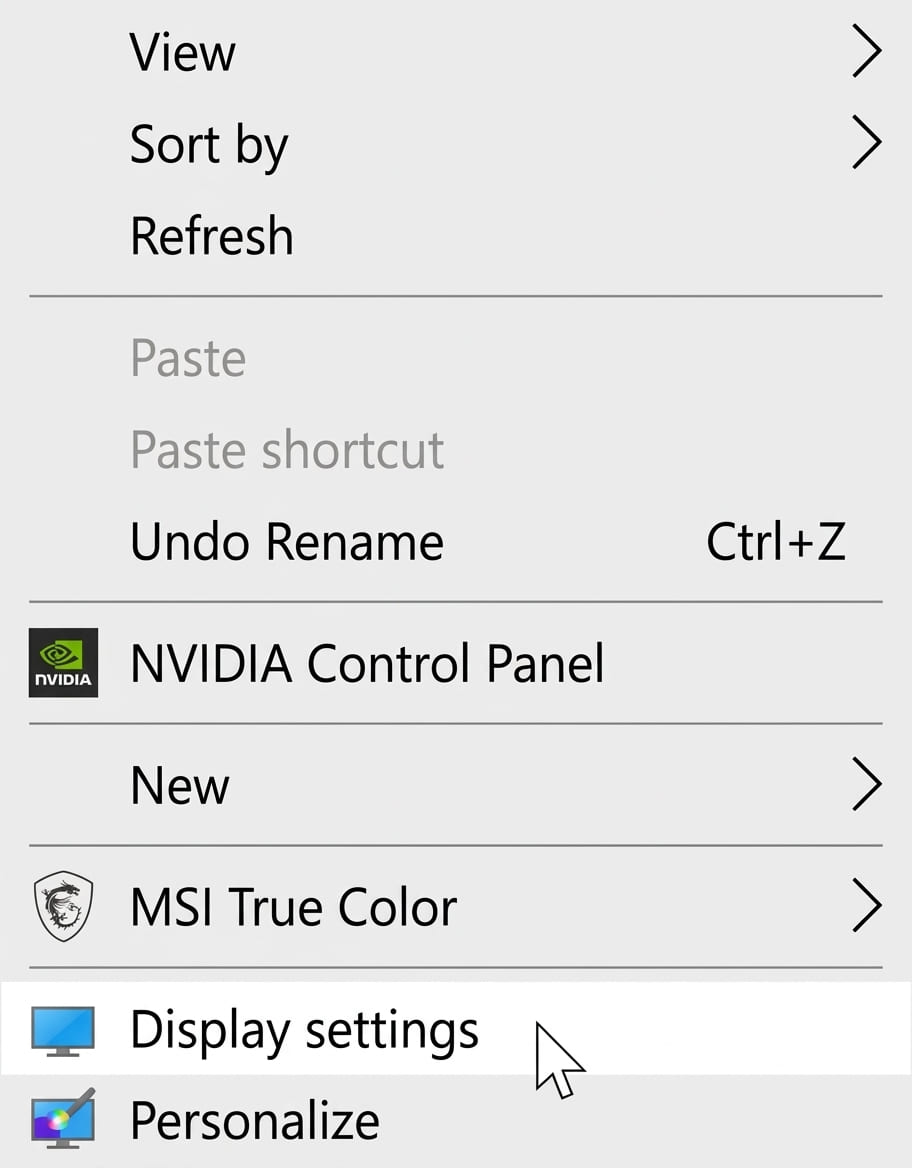
- Under Scale and Layout, open Display Resolution.
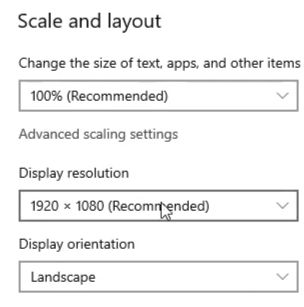
- Select the resolution you entered in step 7. Click Keep Changes.
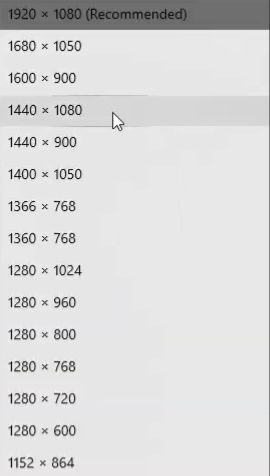
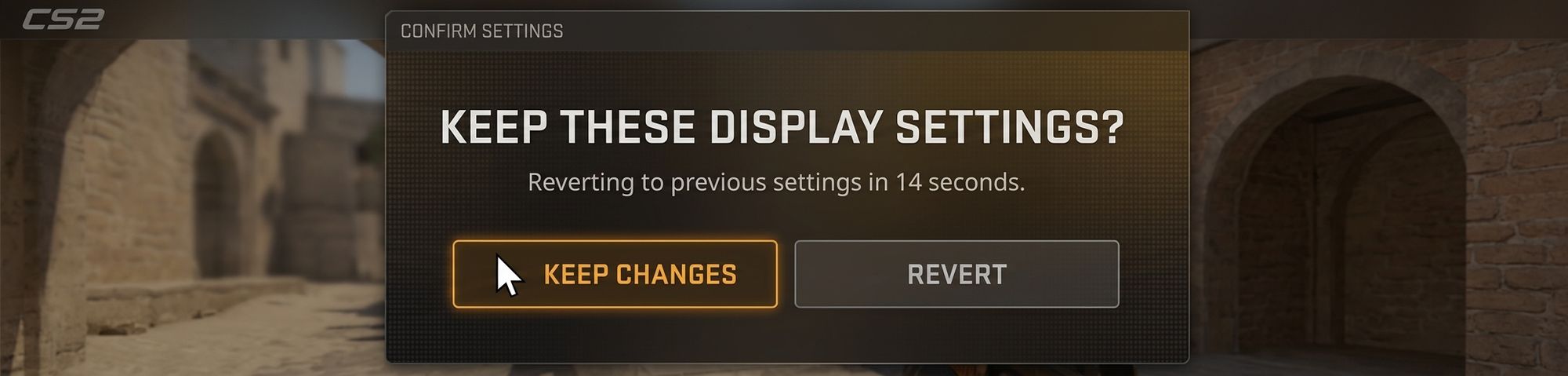
- Launch CS2 and open Settings > Video. Set Display Mode to Fullscreen. Click Apply Changes.
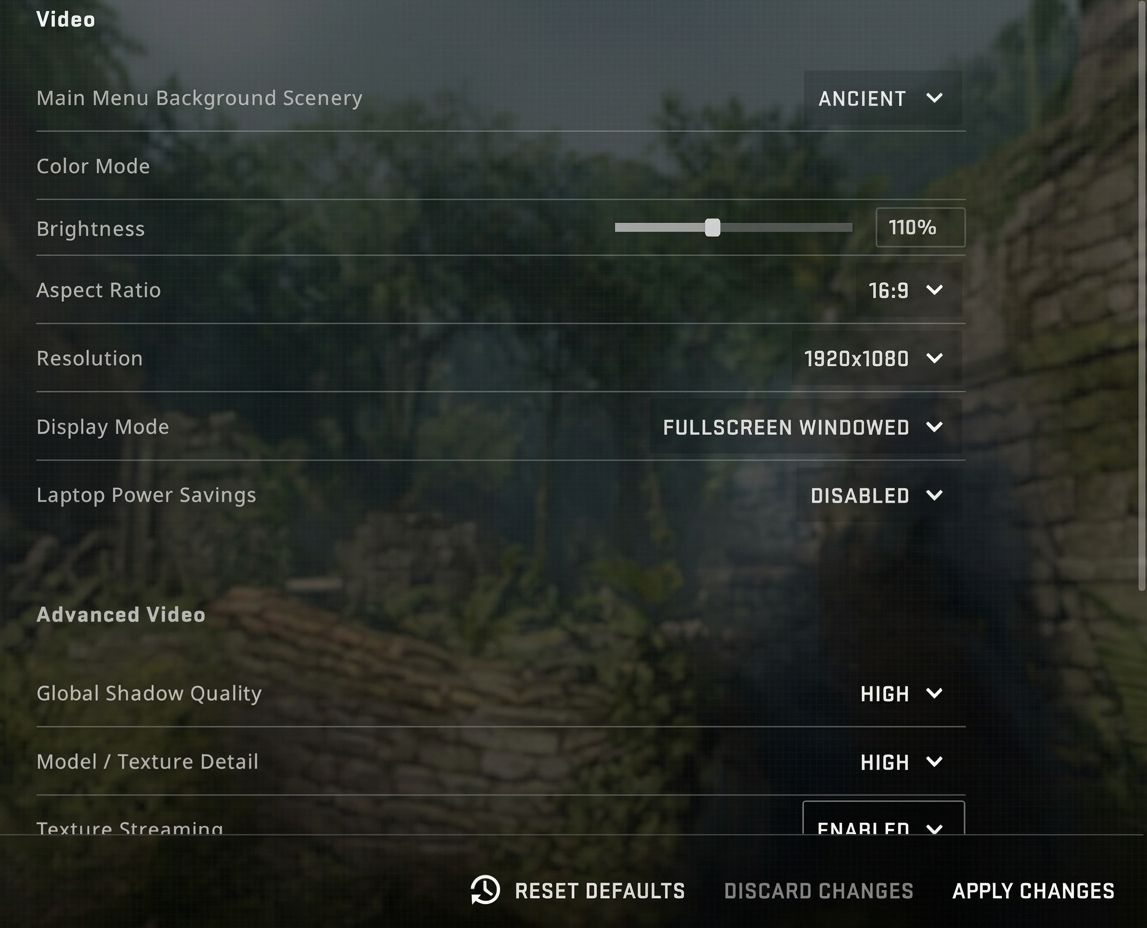
- The black bars are gone. CS2 now runs at 4:3 stretched resolution.
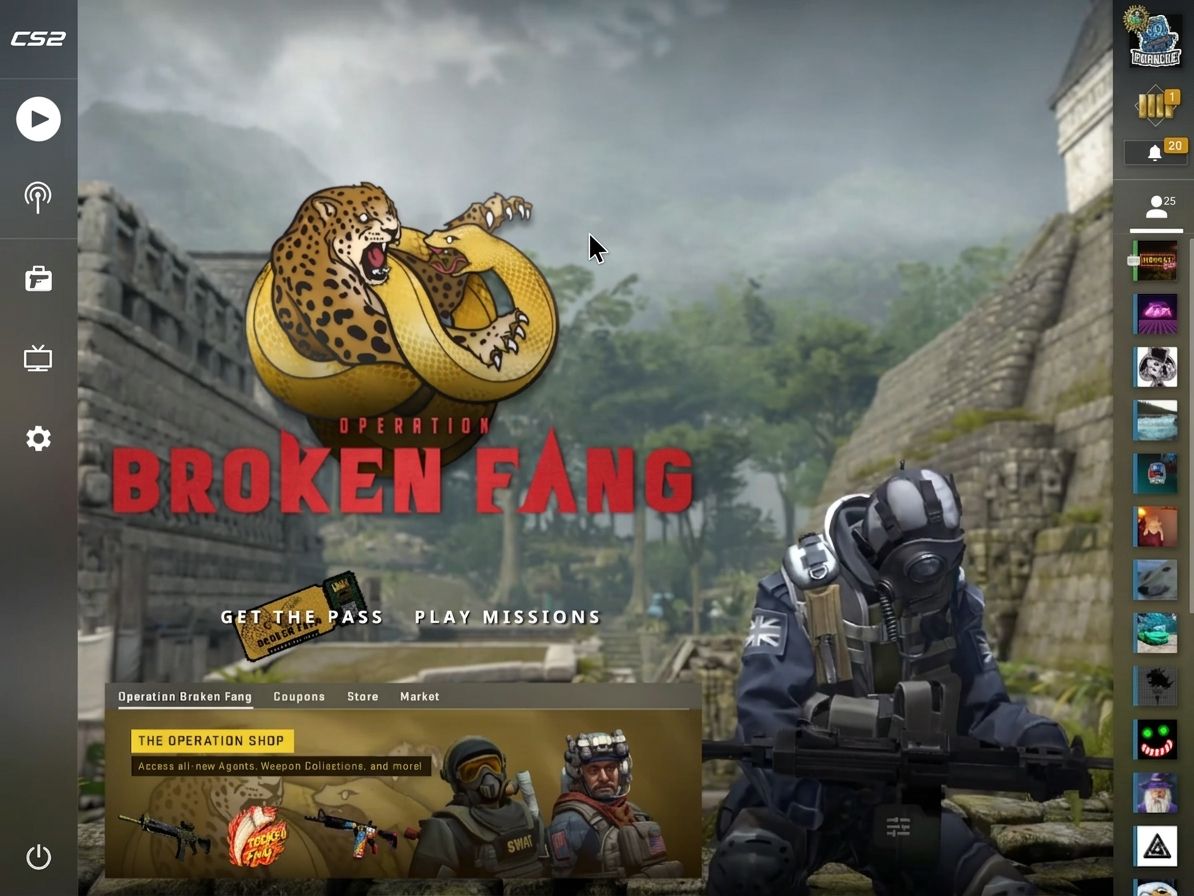
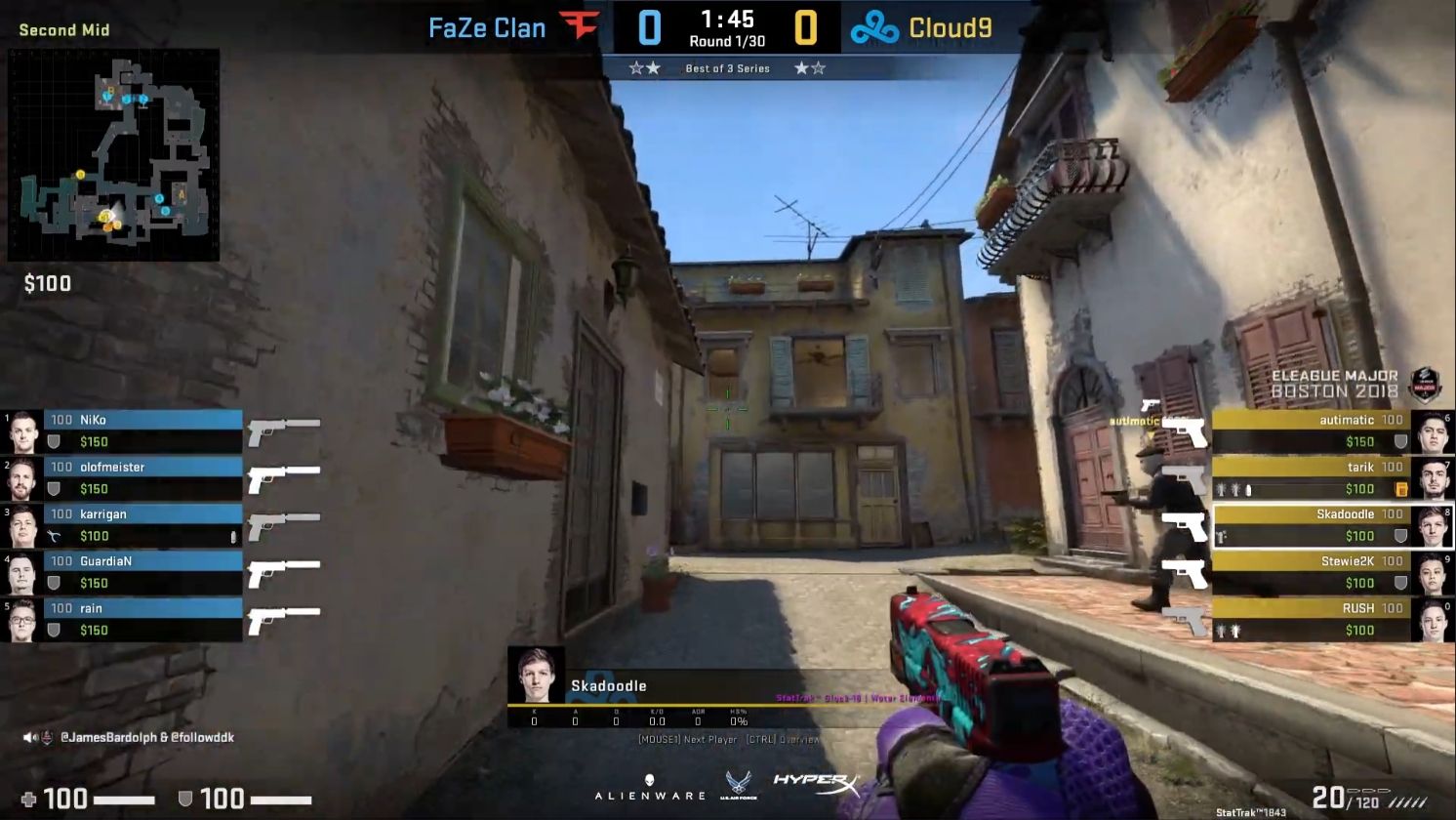
Note for Intel Arc users: Intel Arc graphics cards (A-series) may not support black bar scaling in CS2. The Arc driver applies stretching by default in CS2 regardless of scaling mode. Black bars in CS2 are not reliably achievable on Intel Arc hardware.
Stretch the Resolution on AMD Radeon
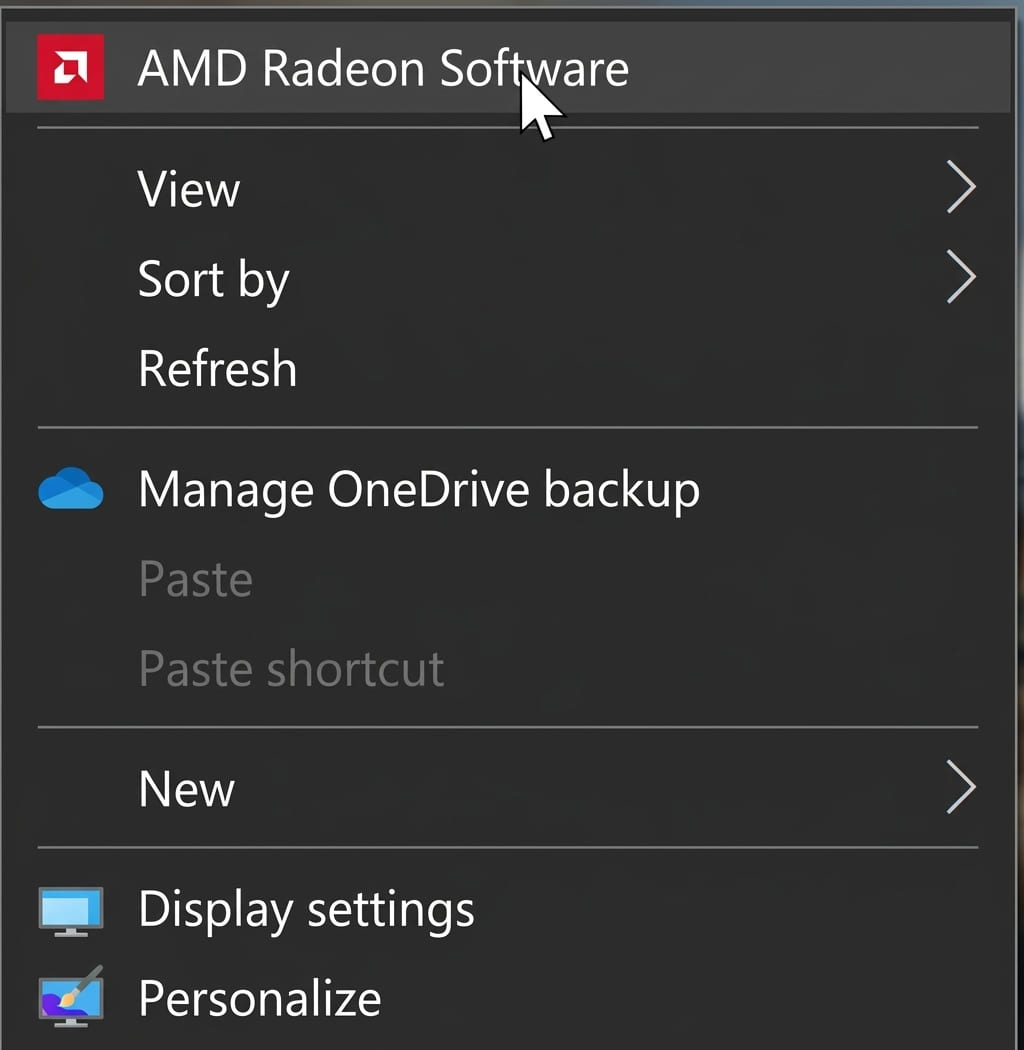
- Right-click the desktop and select AMD Radeon Software.
- Open the Gaming tab and locate Counter-Strike 2 in the game list.
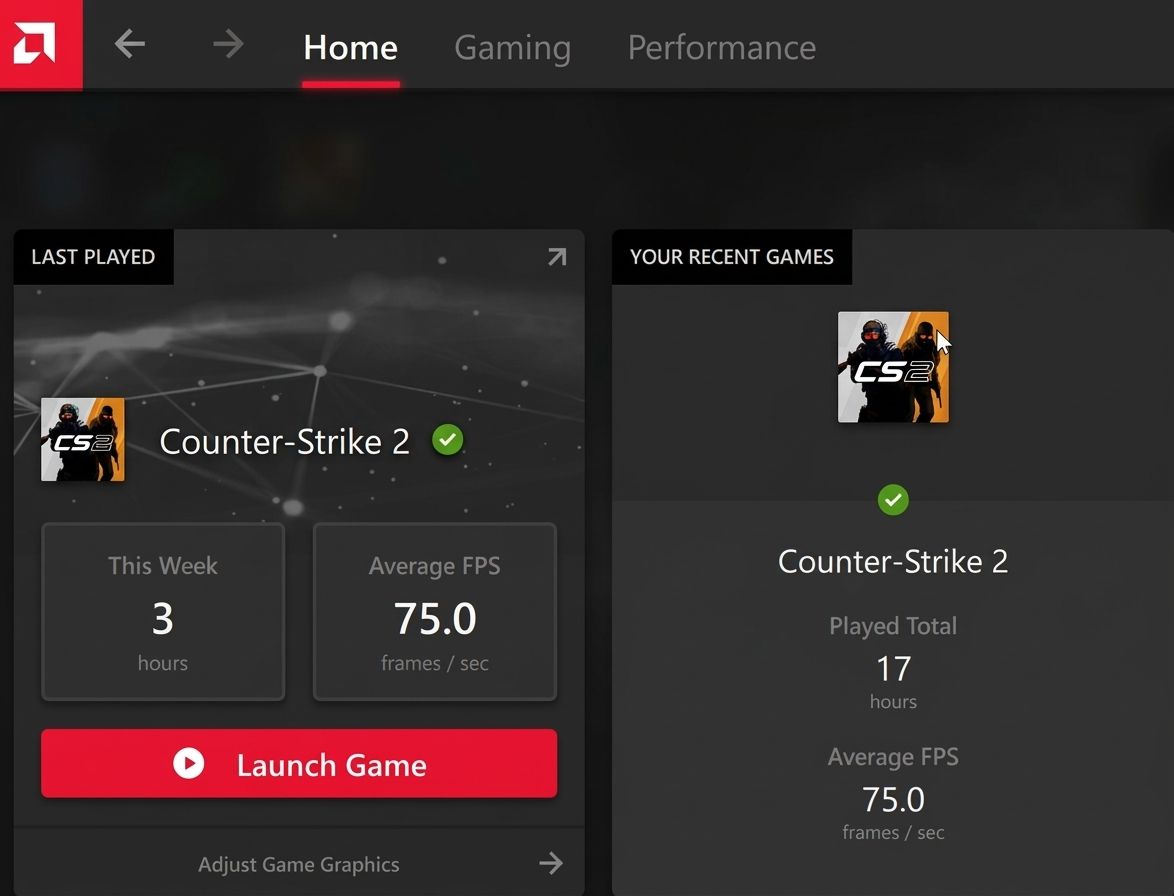
- In the CS2 game profile, find Scaling Mode and set it to Full Panel.
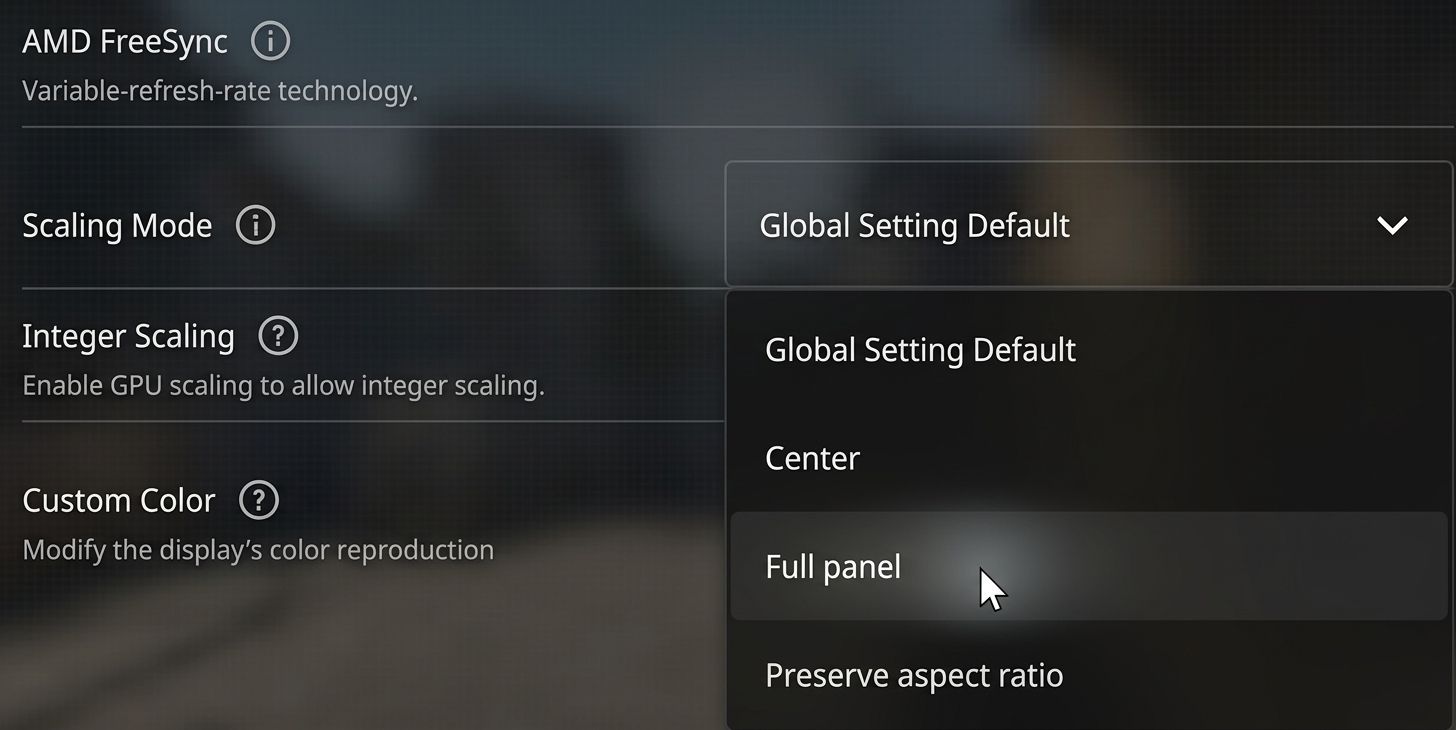
- Click the Home tab, then click the gear icon in the top-right corner.

- Click Display. Set Scaling Mode to Full Panel again. This applies the stretch at the display level.
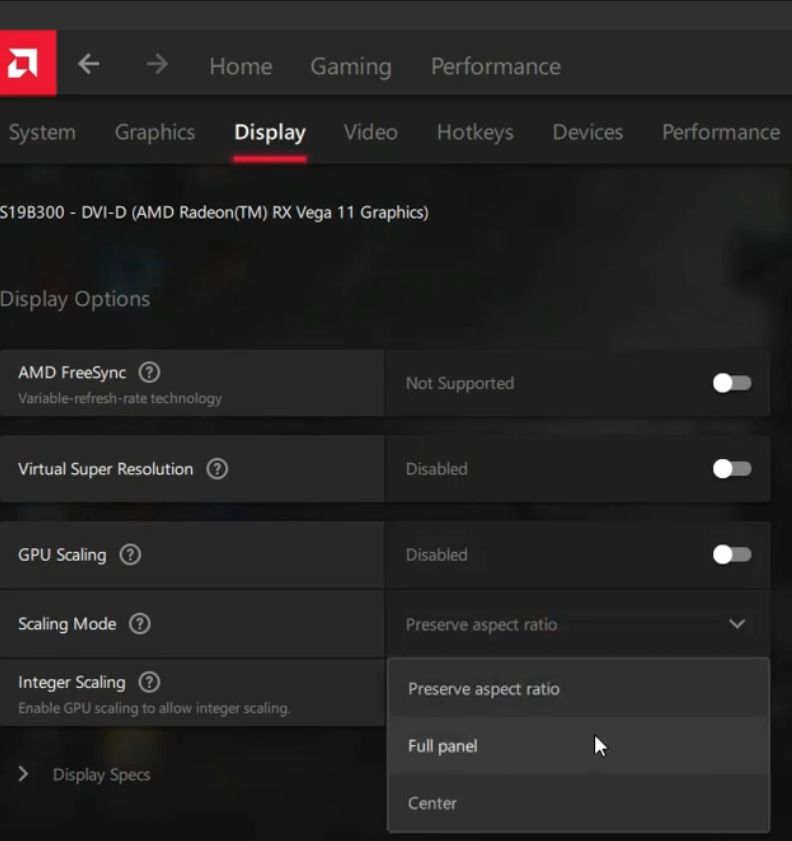
- Close AMD Radeon Software. Right-click the desktop and select Display Settings.
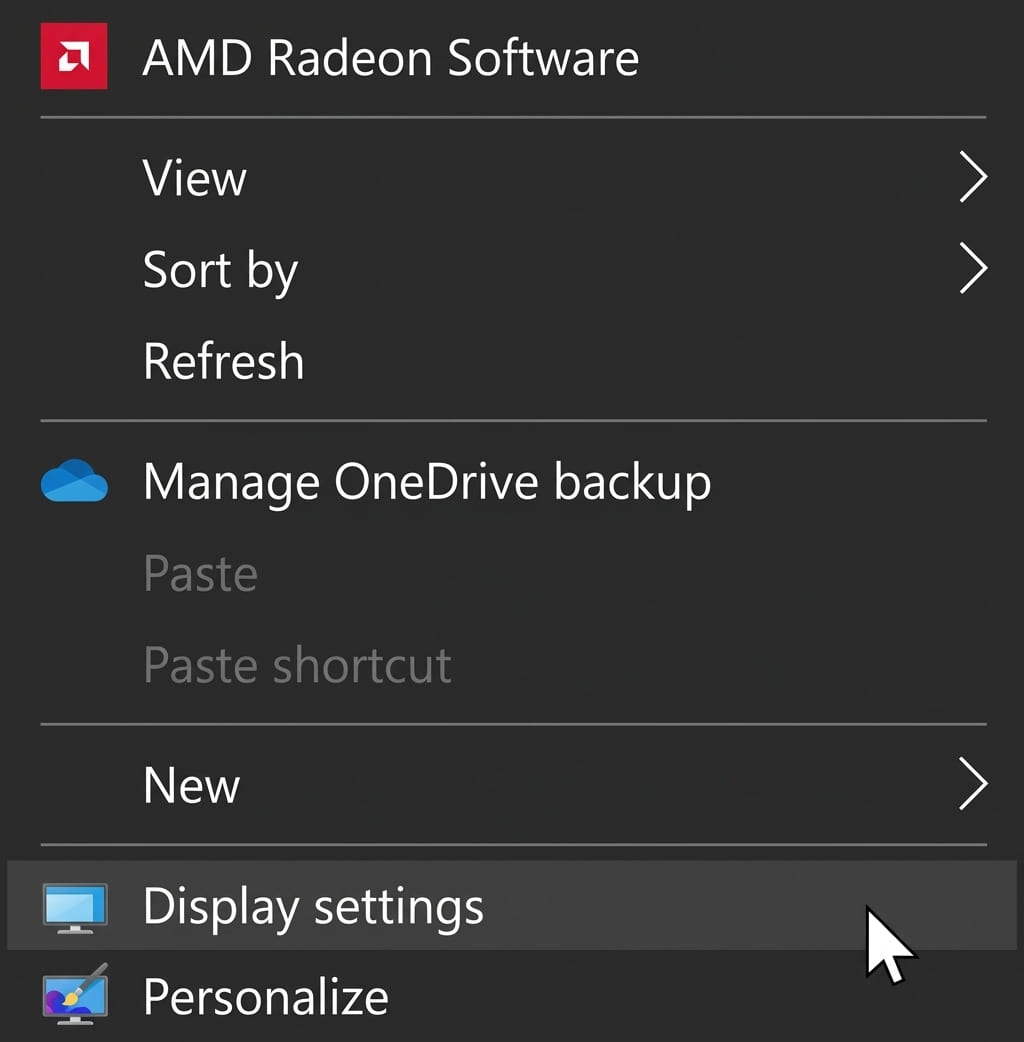
- Select a 4:3 resolution — for example, 1024x768 or 1280x960.
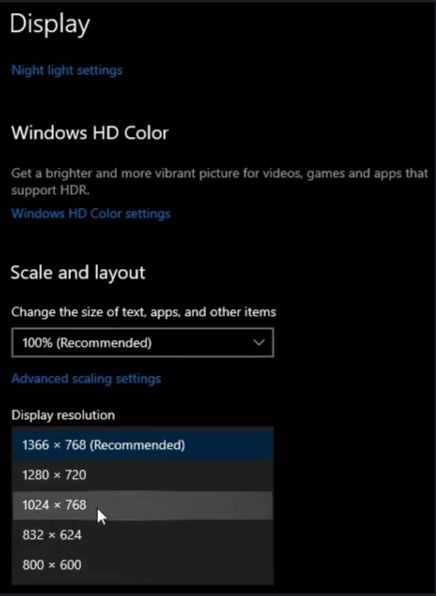
- Click Keep Changes.

- Launch CS2 and open Settings > Video. Set Display Mode to Fullscreen. Click Apply Changes.
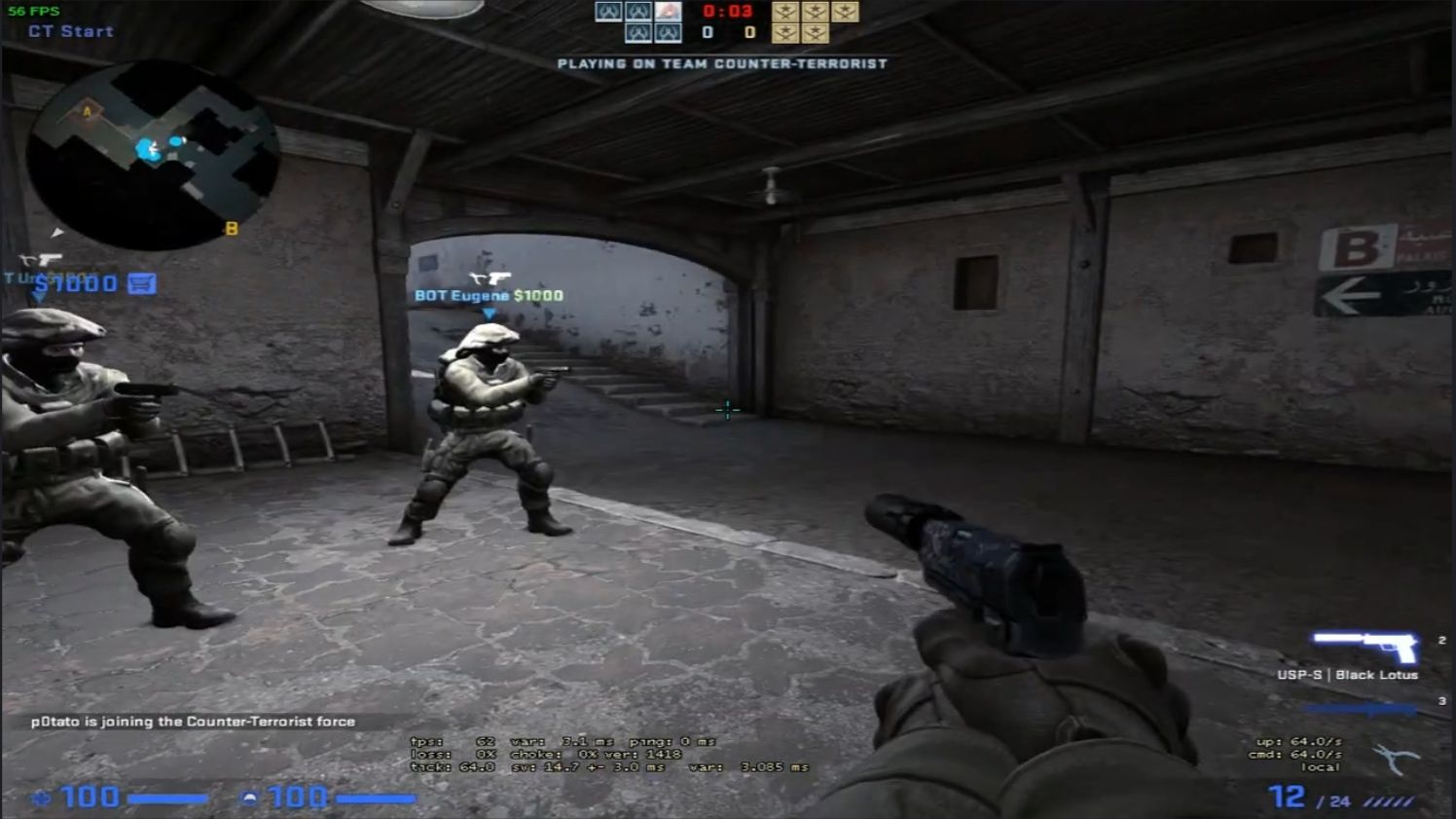
Stretch the resolution on Nvidia Geforce
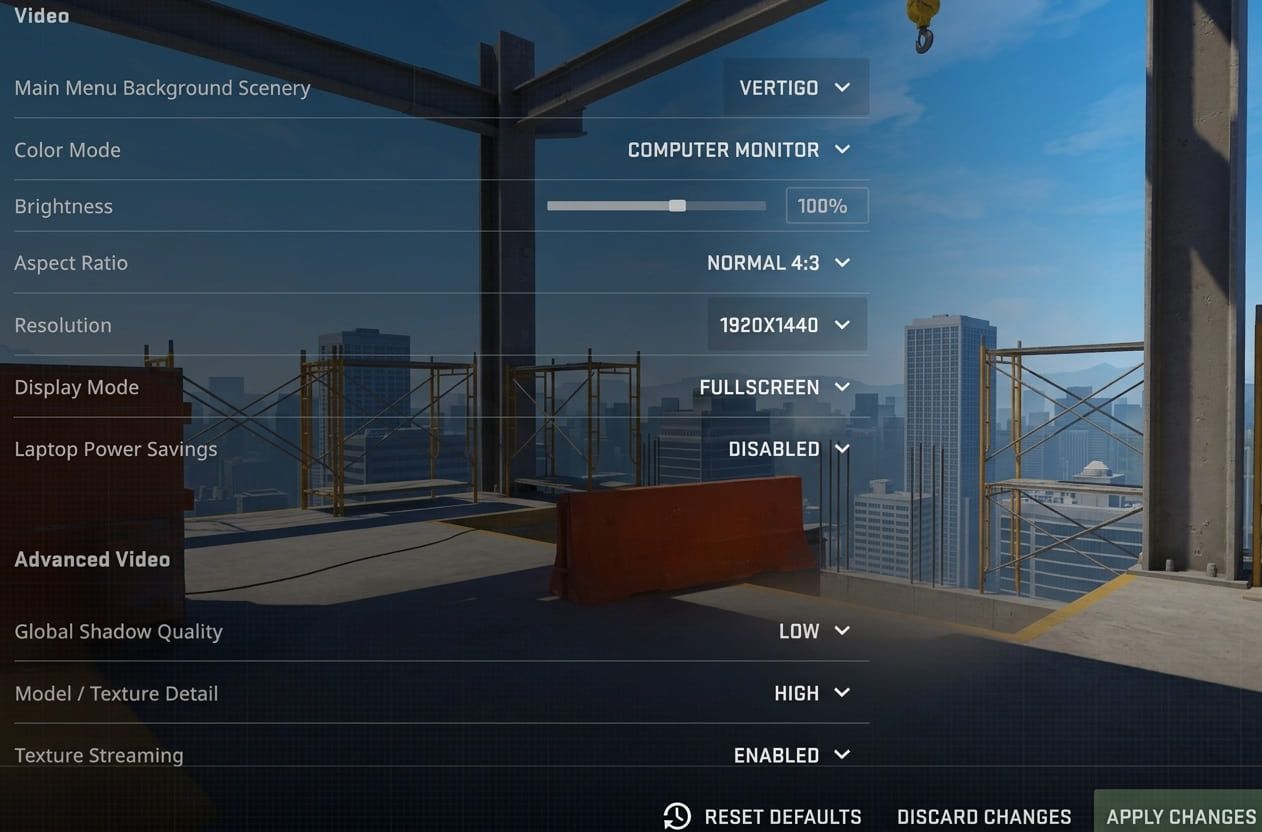
- Launch CS2 and open Settings > Video. Set Aspect Ratio to Normal 4:3. Set Display Mode to Fullscreen. Select your target resolution — for example, 1280x960. Click Apply Changes.
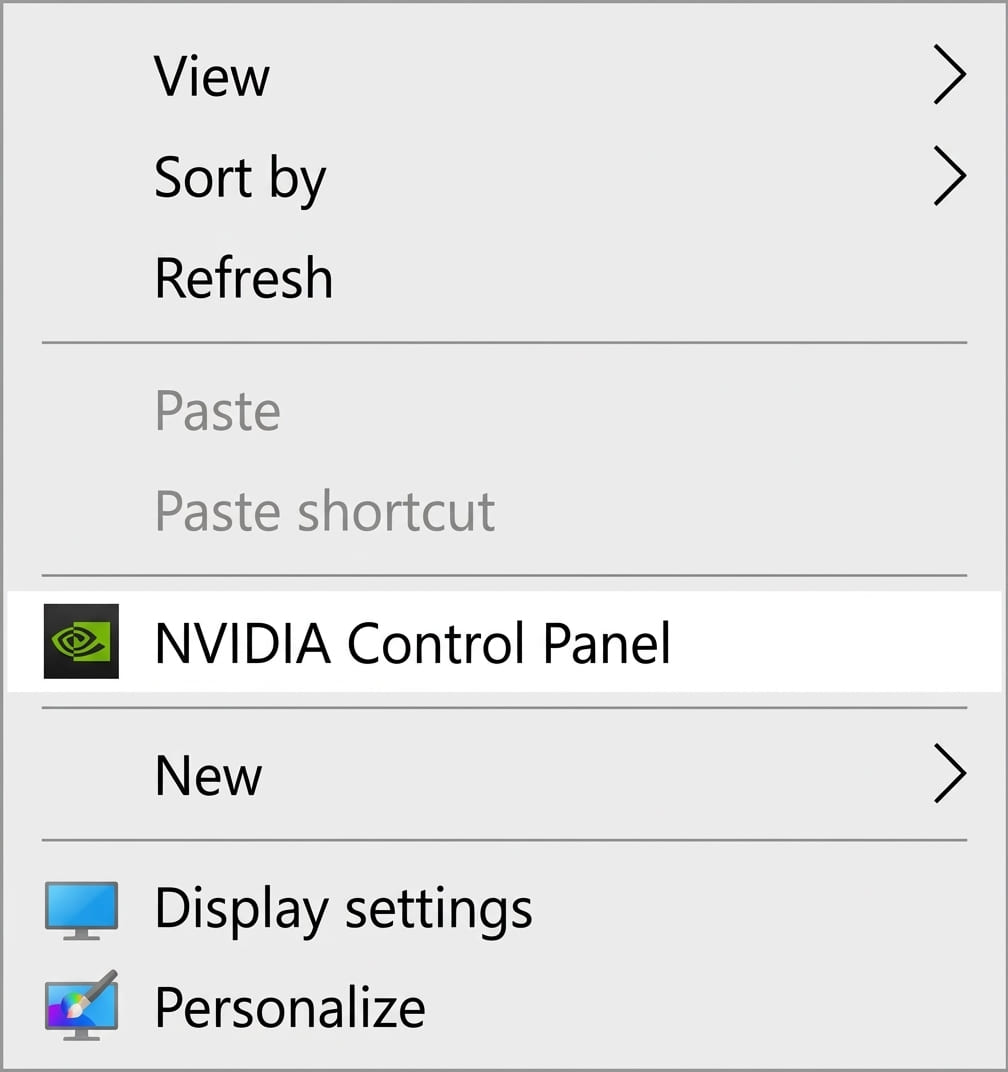
- Close CS2. Right-click the desktop and select Nvidia Control Panel. Under Display, click Adjust desktop size and position. Set Scaling mode to Full-screen. Set Perform scaling on to GPU. Check Override the scaling mode set by games and programs. Click Apply.
- Relaunch CS2. The 4:3 resolution now stretches to fill the full screen width with no black bars.
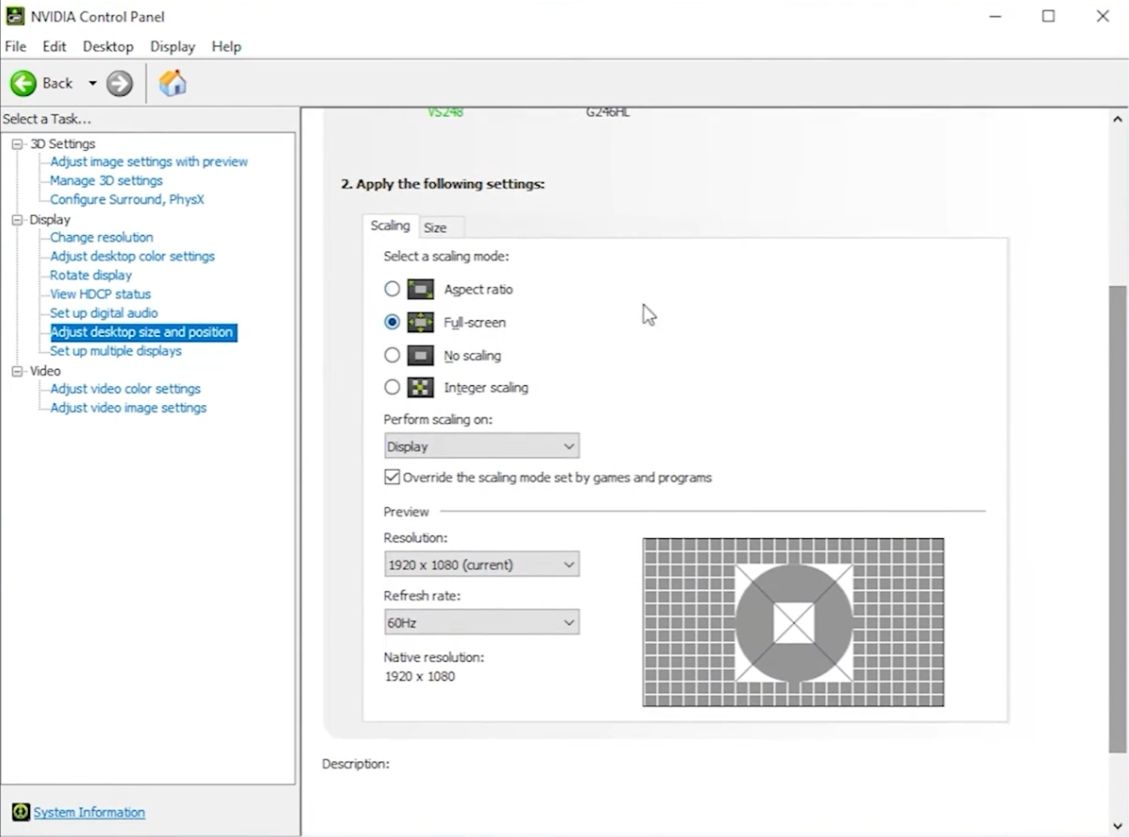
Nvidia released the Nvidia App in 2024 as a replacement for the classic Control Panel. The Nvidia App contains the same scaling settings under Display > Adjust display size and position. The steps above apply to both interfaces.
Common Issues and Troubleshooting
Most stretched resolution problems in CS2 share one root cause: a mismatch between GPU scaling settings and CS2 display mode. The fixes below resolve the four most common issues.
- Stretched resolution reverts after Alt+Tab. CS2 must run in Fullscreen mode, not Windowed Fullscreen. Windowed Fullscreen hands display control to Windows, which overrides GPU scaling on every Alt+Tab. Open Settings > Video, set Display Mode to Fullscreen, and click Apply Changes.
- CS2 looks pixelated on stretched resolution. The GPU scaling mode is set to Aspect Ratio instead of Full Screen. Aspect Ratio scaling adds black bars and sharpens the image at native proportions. Open your GPU control panel and set the scaling mode to Full Screen (Nvidia) or Full Panel (AMD).
- Frame rate drops after enabling stretched resolution. GPU-level scaling adds a small processing overhead. Verify that Perform scaling on is set to GPU in Nvidia Control Panel, or that GPU Scaling is enabled in AMD Radeon Software. Monitor-level scaling can cause frame time instability in CS2.
- Resolution reverts to 16:9 on every CS2 launch. A launch option is overriding display settings. Open Steam, right-click Counter-Strike 2, select Properties, and check the Launch Options field. Remove any -w, -h, or -fullscreen parameters that conflict with your target resolution.
Quick Checklist
- GPU scaling set to Full Screen (Nvidia) or Full Panel (AMD)
- CS2 aspect ratio set to 4:3 in video settings
- CS2 display mode set to Fullscreen
- Custom resolution created in GPU control panel (if your target resolution is not natively listed)
FAQ
What Is the Best Stretched Resolution for CS2?
No single resolution works best for every player. Among 645 top-ranked CS2 players tracked by Profilerr, 1280x960 is the most common choice, followed by 1024x768. Test each option for 10 to 15 matches before deciding.
How Do I Stretch 4:3 in CS2?
Open CS2 Settings > Video, set Aspect Ratio to Normal 4:3, and Display Mode to Fullscreen. Then set scaling to Full Screen (Nvidia) or Full Panel (AMD/Intel) in your GPU control panel.
Is 4:3 Stretched Better in CS2?
59% of professional CS2 players use 4:3 stretched (Blix.gg), but it is not objectively superior. Stretched widens enemy models but reduces field of view and visual quality. The advantage depends on individual playstyle.
How Do I Stretch 1440x1080 Resolution?
Create 1440x1080 as a custom resolution in your GPU control panel first. Then select it in CS2 with Aspect Ratio set to 4:3, Display Mode set to Fullscreen, and GPU scaling set to Full Screen.
Why Do Professional Players Use Stretched Resolution?
Pros choose 4:3 for wider enemy models, better frame rate, and muscle memory built on 4:3 monitors in CS 1.6 and CS:GO.
Does Stretched Resolution Improve FPS in CS2?
Yes. At 1280x960, a graphics card renders 40% fewer pixels than at 1920x1080. FPS gains range from 30 to 50 on budget hardware (Switchblade Gaming, 2025).